
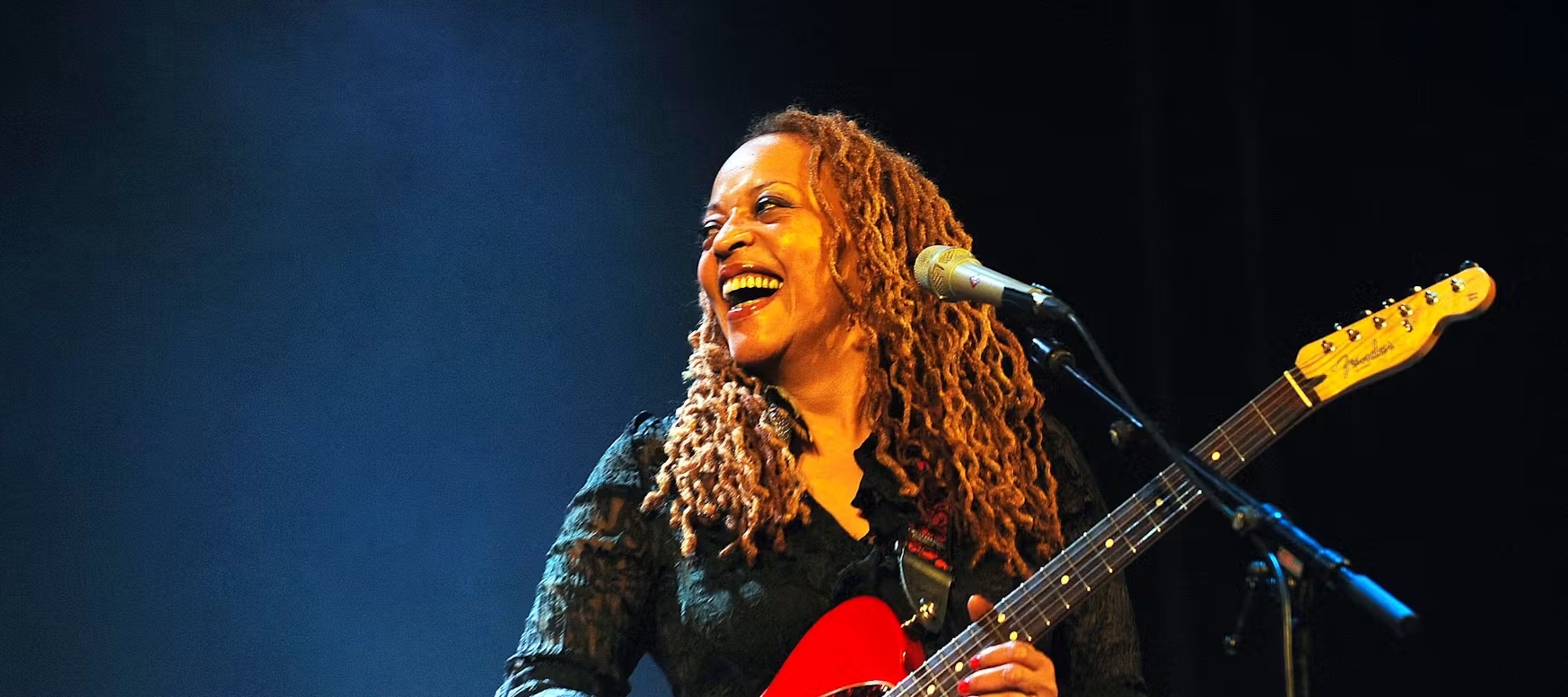
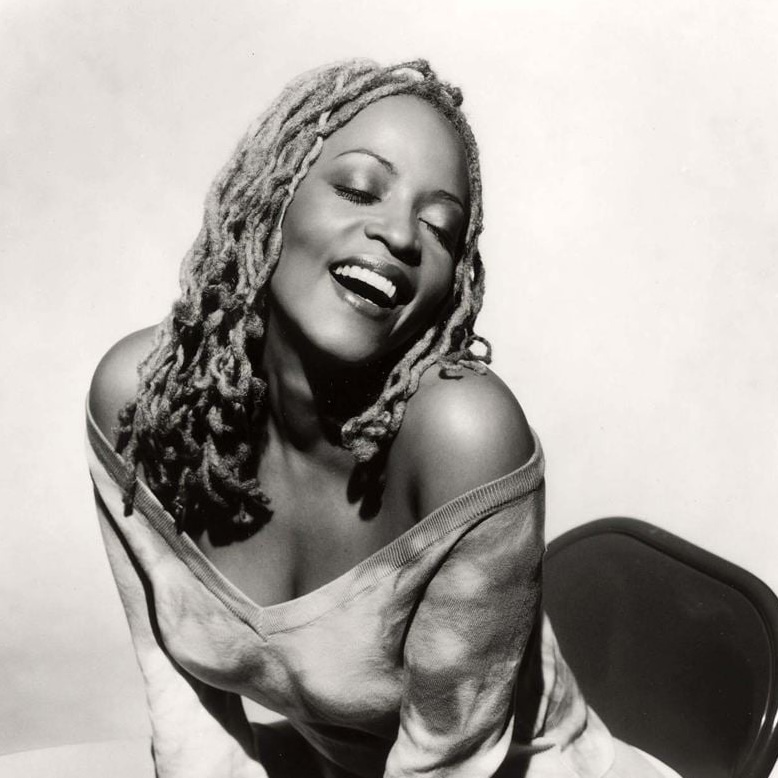
Cassandra Wilson, A Voice Like No Other
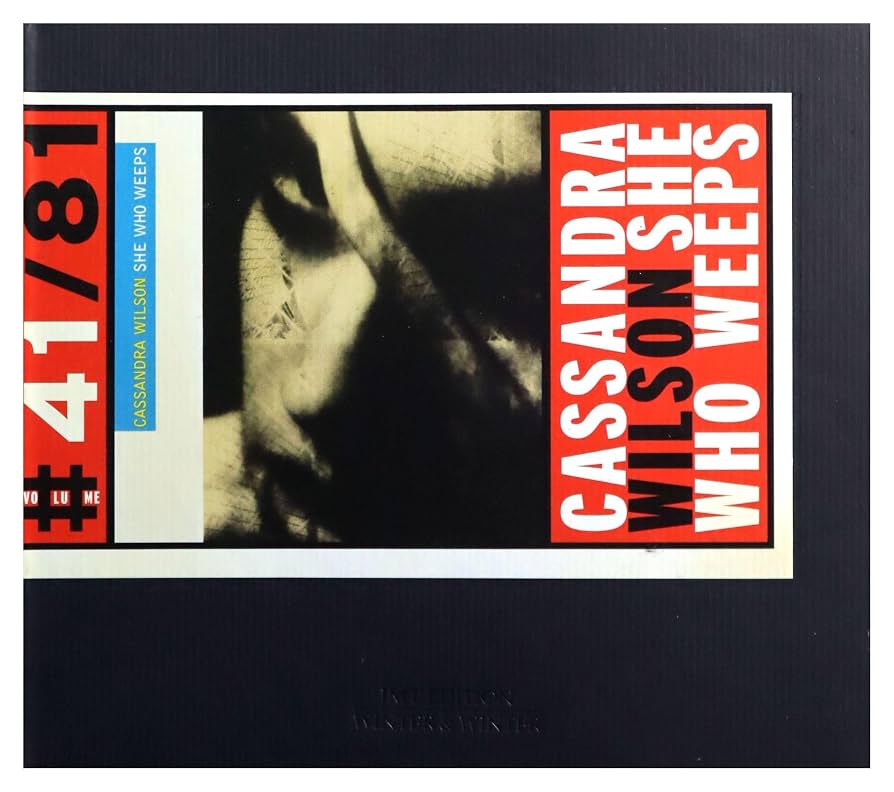
In Greek mythology, Cassandra is the one who foretells bad news to come, but whom no one believes. And at the start of this month of September, some truly terrible news was announced—news that is hard to believe: Cassandra Wilson has passed away at the age of 70. For Cassandra Wilson was one of the leading voices of the past four decades. With a deep timbre and an often laid-back phrasing—which is hardly surprising for a native of Mississippi (she has a commemorative plaque in Jackson, her hometown)—where she was steeped in the blues—which would never leave her—and where, after learning the piano, she took up the guitar—which she played herself on numerous occasions and which was rarely absent from her recordings. She made her professional debut in New Orleans and then in New York alongside Steve Coleman and his M-Base collective, in which she was the sole vocalist. And it was on the German label JMT (on which Coleman also recorded) that she released her first albums under her own name, such as She Who Weeps, where she offers, among other tracks, a long, highly personal version of “Body and Soul,” and she would go on to regularly perform standards—a genre she revitalized and on which she left her vocal mark, following in the footsteps of her illustrious predecessors, from Billie Holiday to Betty Carter.
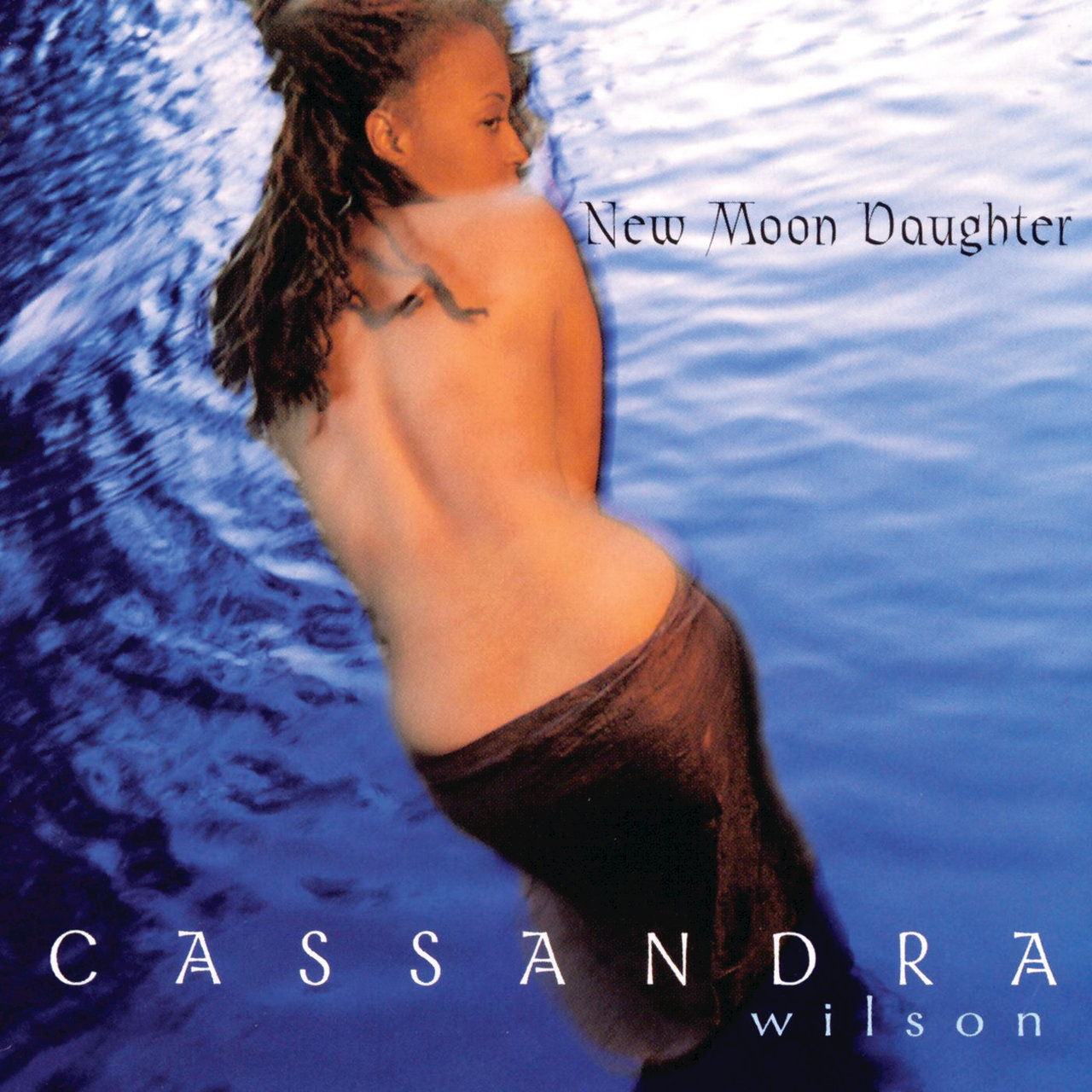
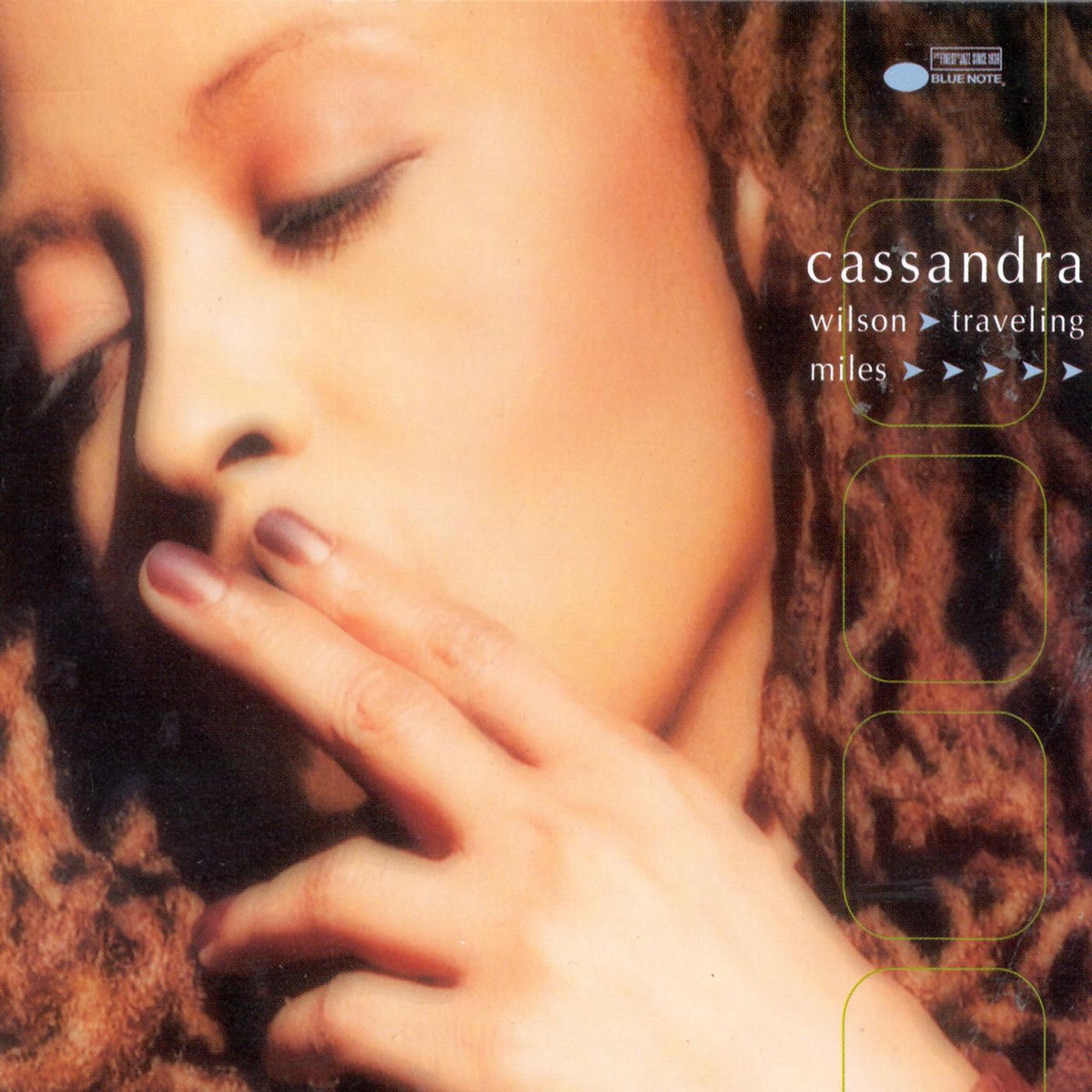
But it was on the prestigious Blue Note label, in the early 1990s, that she truly took off and recorded her most memorable albums in a more acoustic setting than in her early days. She is frequently accompanied by the acoustic guitars of Brandon Ross or Marvin Sewell and the double bass of Lonnie Plaxico on compositions of her own, as well as songs by legendary bluesmen such as Son House and Robert Johnson, and also by Hank Williams and Neil Young on the magnificent New Moon Daughter (1995), which confirms her stylistic versatility: not only jazz and blues but also country and folk, hence her occasional use of the pedal steel guitar, banjo, or mandolin—instruments rarely heard in jazz.
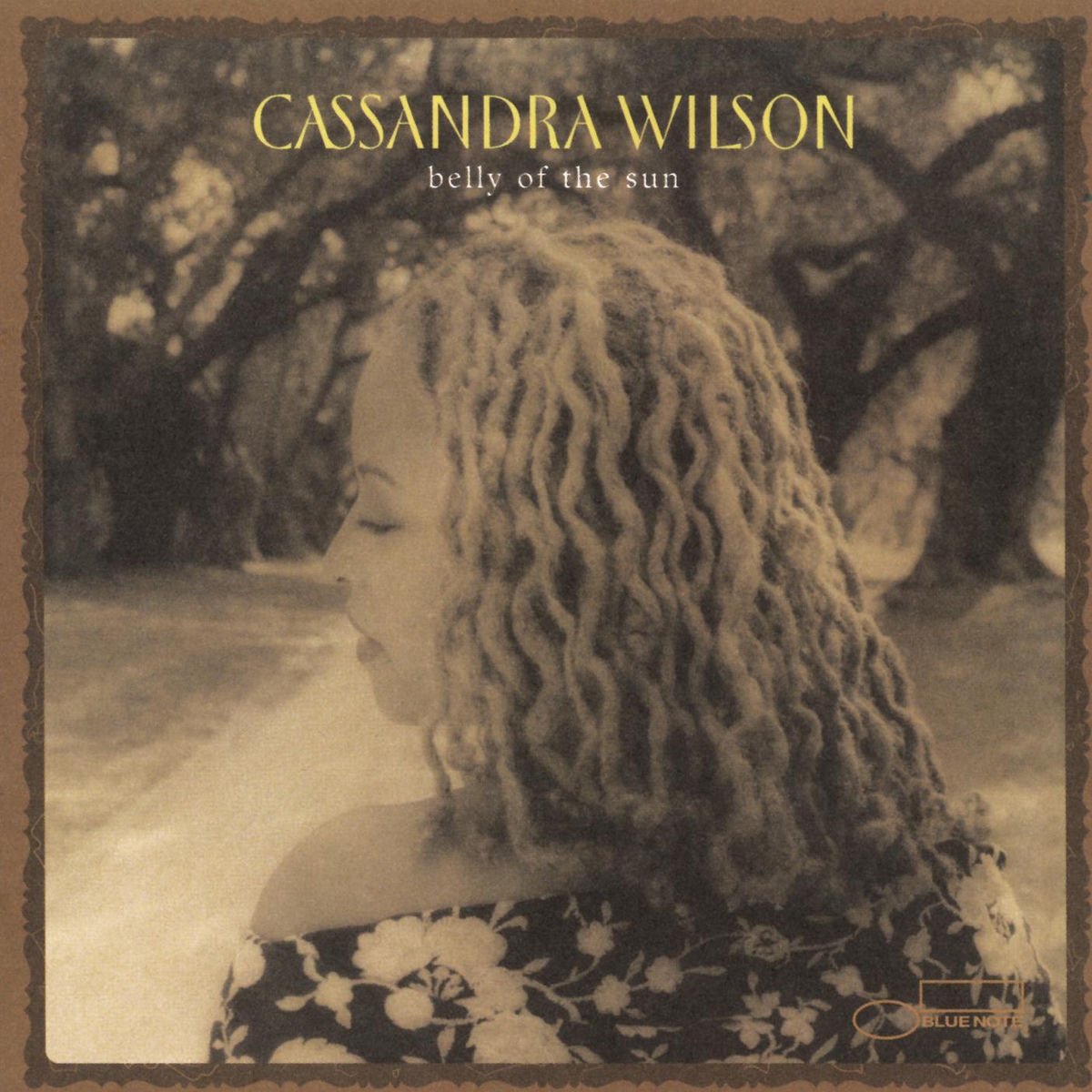
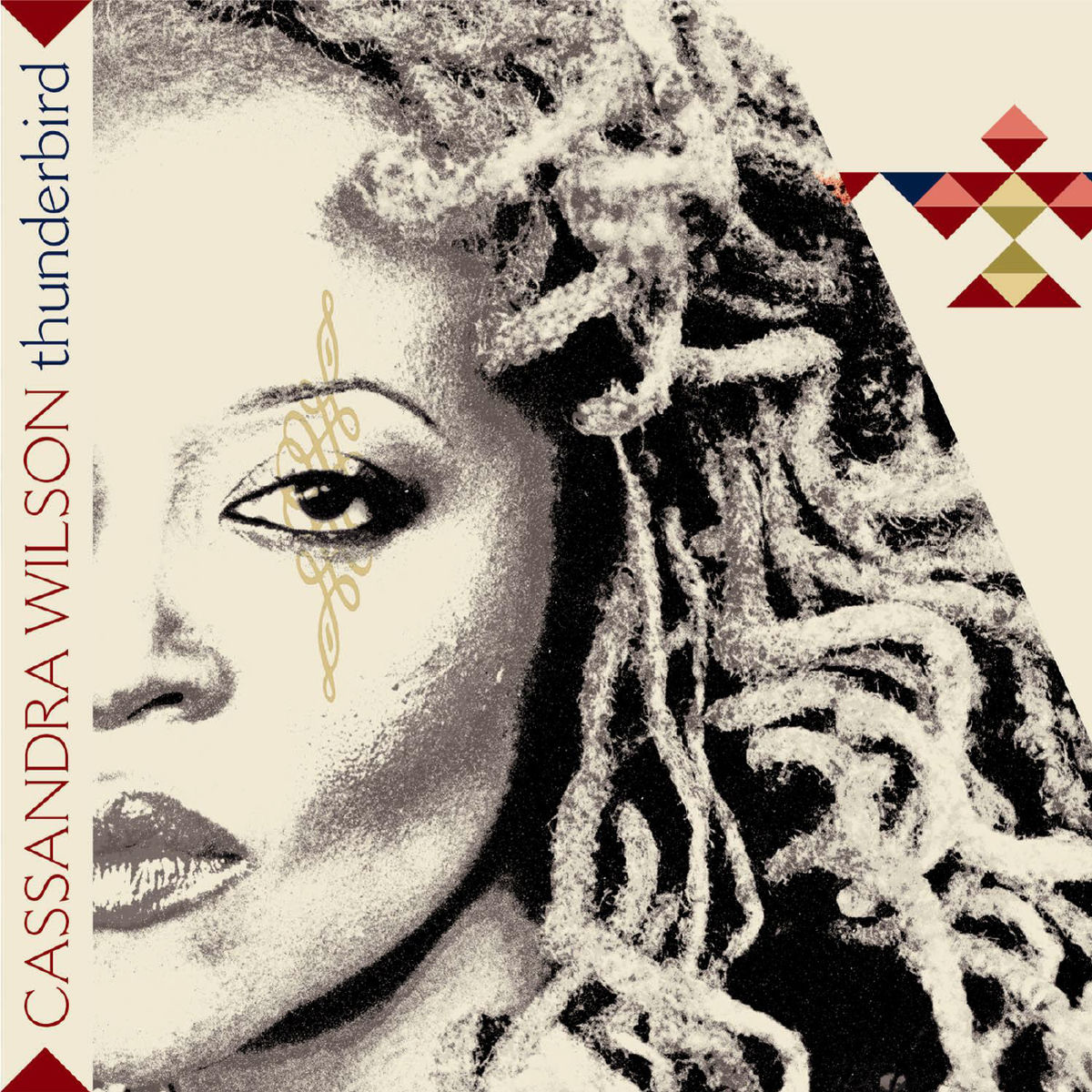
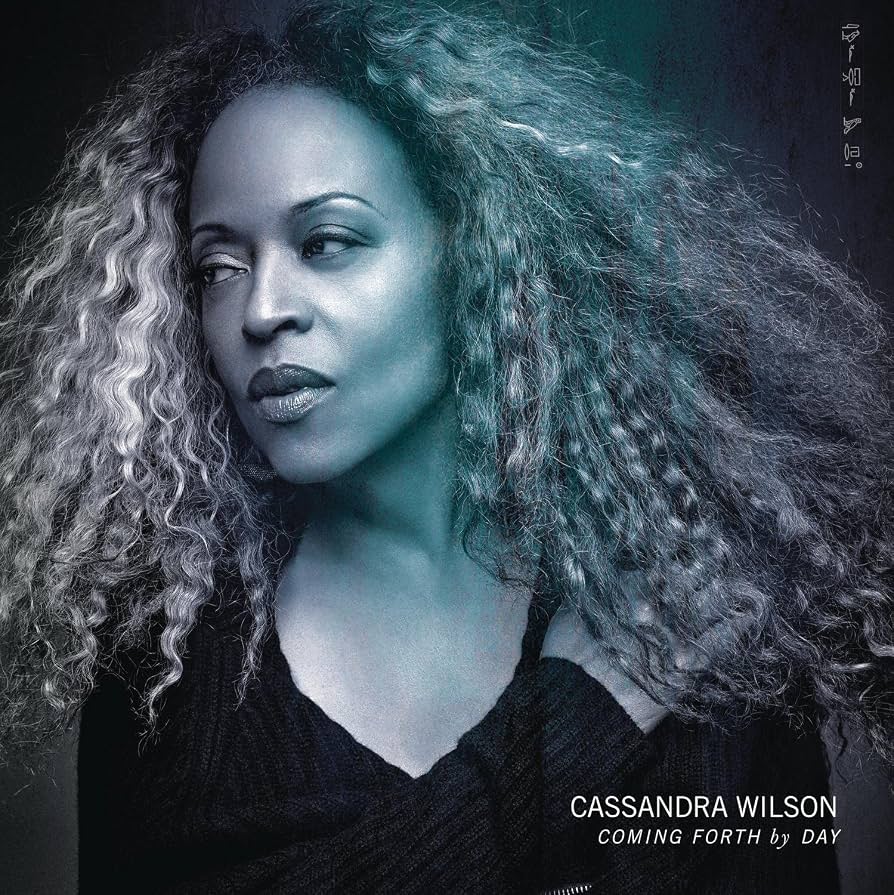
On Belly of the Sun, released in the early 2000s, she covered songs by Antonio Carlos Jobim, James Taylor, and Bob Dylan, among others, thereby expanding her repertoire beyond the blues and her original compositions—with guest vocalists contributing to a few tracks. On Thunderbird (2006), guitarist Marc Ribot and harmonica player Grégoire Maret joined her for an album where the blues reigns supreme. And on her latest recording, Coming Forth by Day, released in 2015 on the Legacy label, she pays tribute to one of her idols, Billie Holiday. But the picture would not be complete without mentioning Cassandra Wilson’s numerous contributions to recordings by artists as diverse as Wynton Marsalis and David Murray, Luther Vandross and Greg Osby, Meshell Ndegeocello and Charlie Haden… This represents a particularly broad spectrum of musicians who sought out her collaboration, and it shows just how much this major voice will be missed in the landscape of modern jazz, where she was one of the most influential figures.














RECENT COMMENTS