
The topic of women’s place in jazz is all the rage. On YouTube, there is an interview with two French musicians titled “The Revenge of the Jazzwomen.” A few years ago, a book was published titled “No One Is Bound to the Invisible” (reviewed right here by one of my distinguished colleagues).
Furthermore, tributes to Mary-Lou Williams, Carla Bley, and even Melba Liston are popping up here and there… Not to mention the fact that, since Fred Maurin’s appointment as head of the ONJ, the government has required this state-subsidized national orchestra to practice gender parity among its musicians, which is obviously an excellent initiative.
Within the France Jazz Academy—of which I am a members—we have also begun to implement, at the request of the Academy’s sponsor, gender parity in the committees and in nominations for various awards, which, again, is highly commendable in principle. However, when, after two impartial rounds of voting, there aren’t enough women among the nominees—meaning no gender parity—we eliminate a “poor man” and move a woman up in the rankings for the final rounds. Unfortunately for the man eliminated because of his gender—and, in fact, unfortunately also for the woman who replaced him. Because I find this approach a bit condescending, if not contemptuous. Ultimately, since the majority of voters—men and women—had not initially chosen the woman in question, she is systematically eliminated in subsequent rounds of voting.
It’s crazy and idiotic… but the Jazz Academy’s sponsor is satisfied!
Now let’s return briefly to the history of jazz, which—as we know—was born in the brothels of New Orleans. The only women present in these places were not musicians but prostitutes. As for the musicians, mostly Black, they often engaged, in one way or another, in a “warlike” practice of music. A war against racism, a war against the laws that led to the disappearance of the Storyville neighborhood where this music was born, a war against certain producers and club owners—mostly White and often Jewish… All of these are rather aggressive, masculine tactics.
Paradoxically, the first true jazz record was recorded (a little-known fact) in 1920 by a female singer—Mamie Smith—and her “Crazy Blues” was a huge hit that opened the door for many other musicians, mostly Black and male.
In jazz, as in the blues before it, women’s roles have thus often been filled by female vocalists. And this trend continues today, as vocal jazz—predominantly performed by women—is the genre that sells best on records and at concerts. It is undeniable that women were—and remain—a minority among instrumentalists, but this is easily explained from a historical perspective: in a world dominated by men, it is not surprising that women took time to establish themselves.
On the other hand, among vocalists, women were and are in the vast majority, and Martin Scorsese’s film “New York, New York” clearly illustrates the success of a singer portrayed by Liza Minnelli at the expense of the saxophonist and bandleader played by Robert De Niro. And this preference for vocals is found in both song and classical music. This is clearly demonstrated by the success of castrati during the Baroque era and their modern-day successors, the countertenors. The human ear is more drawn to high-pitched sounds than to low-pitched ones.
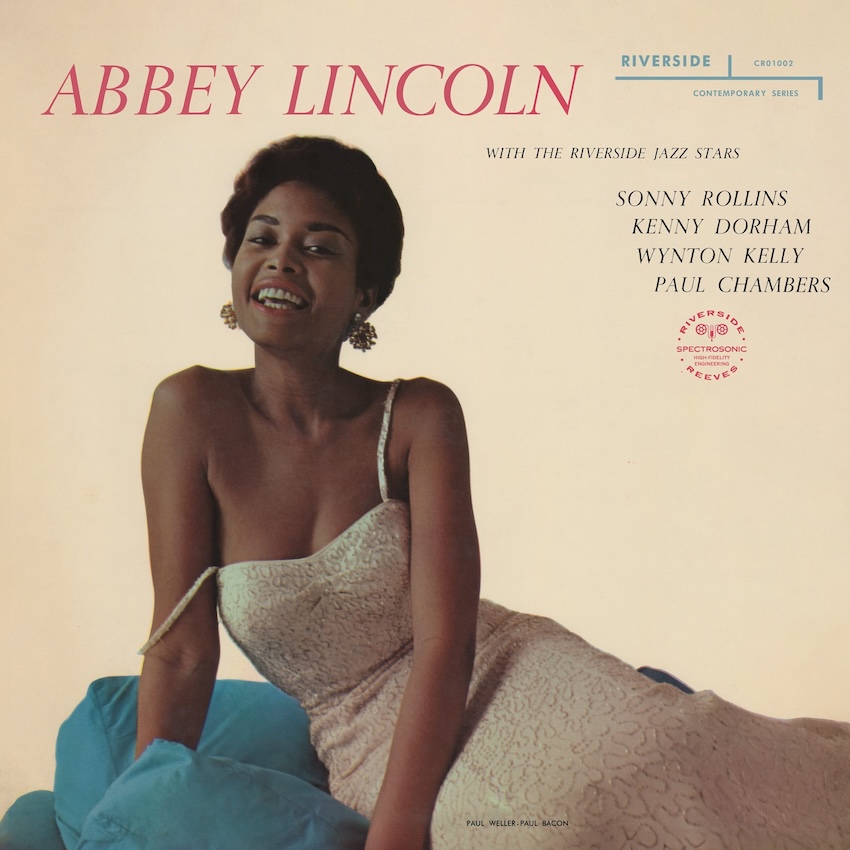
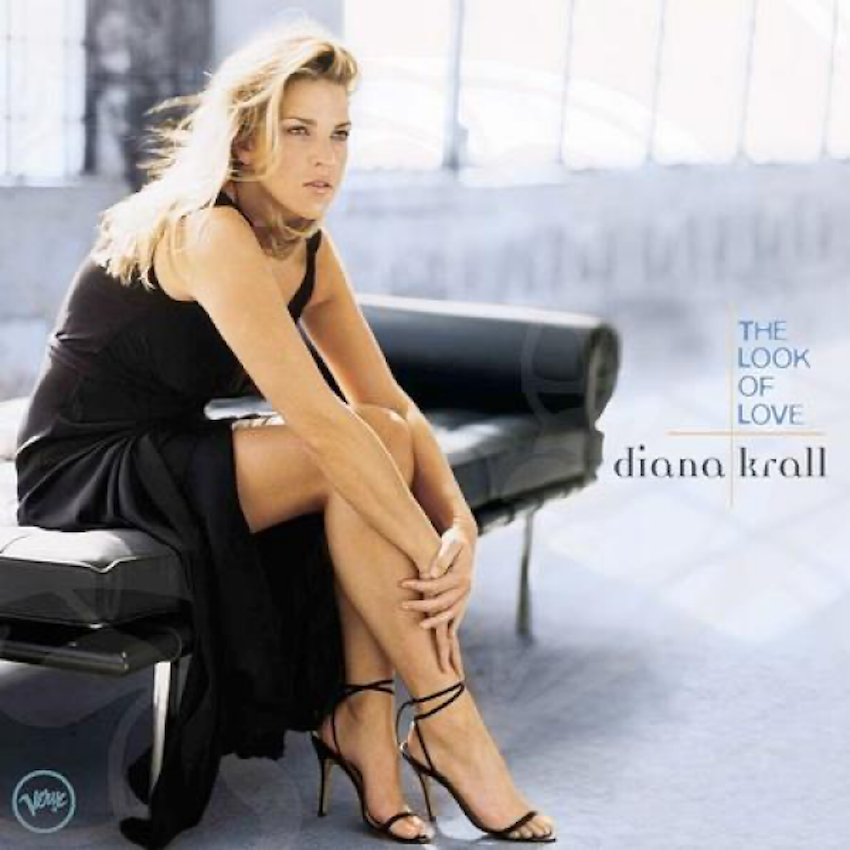
Today, any jazz fan—even a beginner—can name Billie Holiday, Ella Fitzgerald, Sarah Vaughan, Dee Dee Bridgewater, Dianne Reeves, Samara Joy, Melody Gardot, Diana Krall… Who among them can name as many male singers?
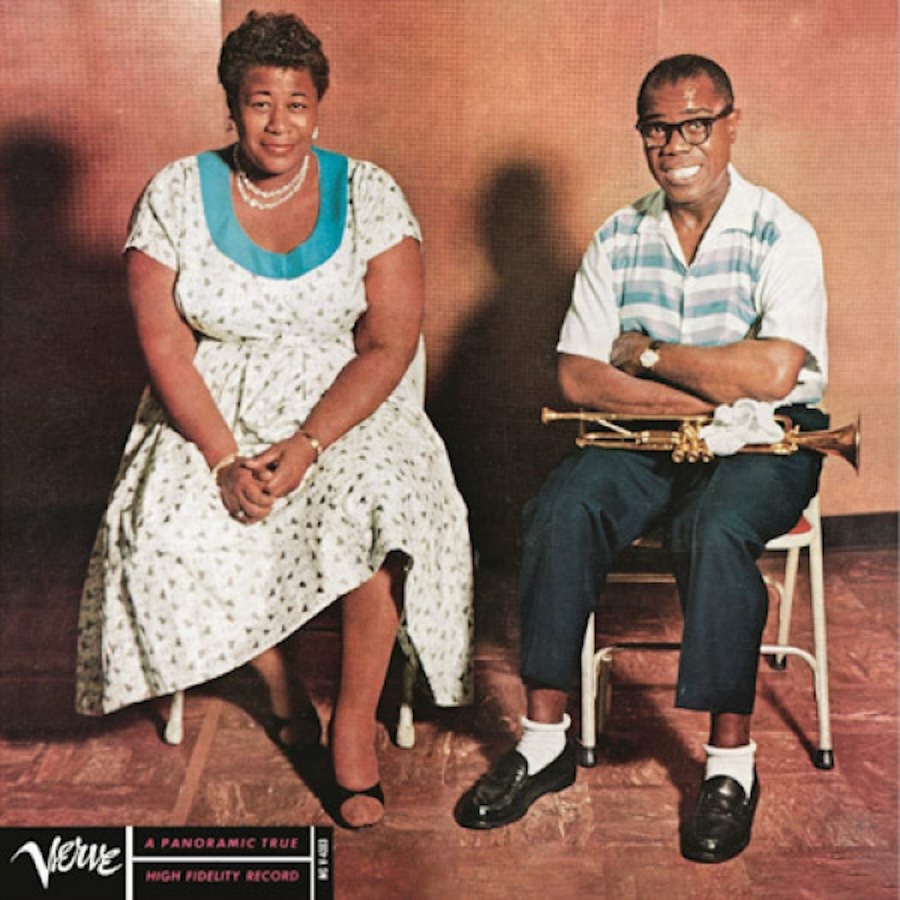
So, there you have it: the facts and reasons behind the limited or prominent presence of women in jazz. And I won’t dwell on the abundance of vocal duos where women and men were treated as equals: Ella Fitzgerald/Louis Armstrong, Betty Carter/Ray Charles, Dinah Washington/Brook Benton… (in a hilarious scene of mutual flirting between the latter two).
And I’m waiting for someone to tell me whether calling Ray Charles’ backup singers the Raylettes was demeaning or not. And since I’m talking about terms now considered derogatory (but not back then, when things were less politically correct), how do we explain that obese musicians were nicknamed “Fats” (Fats Waller, Fats Navarro, Fats Domino…) but, to my knowledge, no overweight women? Perhaps neo-feminists will see this as a form of gallantry that, in their view, demeans these women, since today we’re no longer supposed to call a six-month-old baby “Miss” but “Mrs.”!
Now, should we lament the relatively low representation of women in today’s jazz scene?
Yes and no, in my opinion.
Let’s start by noting that the book and interview mentioned above are off the mark: interviewing Sophie Alour and Anne Pacéo together on “the revenge of female jazz musicians” isn’t a wise choice. Both young (and rather cute, and therefore photogenic and marketable), they have hardly experienced the struggle for equality and were able to pursue careers as bandleaders and record under their own names from a very early age. If one wanted to explore the issue, one should have turned to older female musicians: Sophia Domancich, Joëlle Léandre, Hélène Labarrière, Elisabeth Kontomanou, Rhoda Scott… there is no shortage of them. But are they as photogenic and as uncontroversial as Alour and Pacéo?
In “A l’invisible nulle n’est tenue,” we find two interviews with musicians on the place of women in jazz: Laurent Cugny and Fred Maurin… who never had women in their orchestras (until—in Maurin’s case—he was forced to recruit them to take over the leadership of the ONJ)! A misstep, then, here as well. Furthermore, the book’s imagery is paradoxical and surprising: while a few pages earlier the practice of highlighting jazzwomen’s physical appearance is condemned, all the photos chosen to illustrate this scholarly work show young, rather pretty musicians—all White except for the Korean You Sun Nah, who looks much younger than her actual age. Another misstep, and one gets the impression that this book—written under the guidance of two musicologists—sought to cash in on a trendy topic by focusing primarily on jazz in France rather than seriously exploring the subject on an international level.
For there is much to be said about the role of women in jazz. And this varies considerably from one country to another and from one continent to another. In Zurich, in German-speaking Switzerland, there is an excellent label founded by a man, Patrik Landolt, to give greater visibility to Irène Schweitzer, a world-renowned veteran pianist who has recorded numerous duets there with… exclusively men, drummers or percussionists. The Intakt label has an impressive number of contemporary female musicians in its catalog, and two female producers ensure its vitality. In Italy, there is an all-female festival. Furthermore, singer Maria Pia De Vito served for several years as the artistic director of the Bergamo Jazz Festival. In Germany, one of the three jazz magazines is published by a woman. In Scandinavia, there are considerably more female musicians—proportionally to the population—than in France, and they are not primarily singers or pianists, far from it…
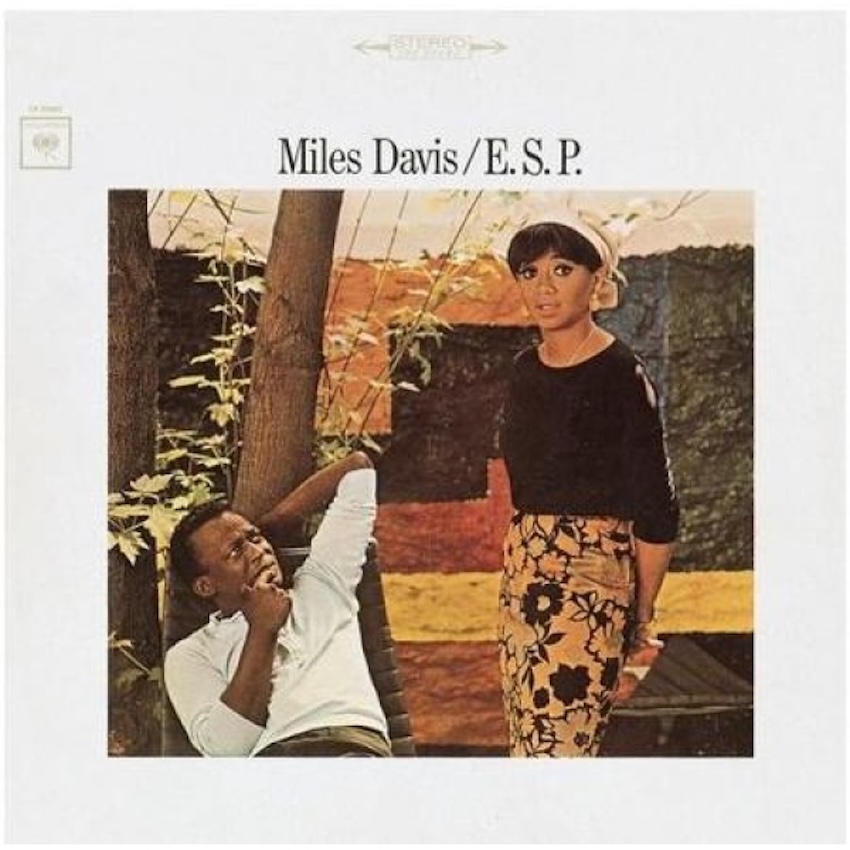
So, might the role of women in jazz simply reflect their place in society? And isn’t this role “naturally” bound to evolve positively over the years without the need to wave banners or issue condemnations?
Classical and Baroque music, which predate jazz, have significantly more women in their ranks than jazz does. But more recent genres like jazz-rock or hip hop are far more male-dominated—even macho—than jazz.
Does insisting on parity at all costs not risk seeing women chosen for their gender rather than for their strictly musical qualities, much like the highly questionable principle of quotas, which, in my view, is justified only in cases of obvious discrimination—including racial or social discrimination?
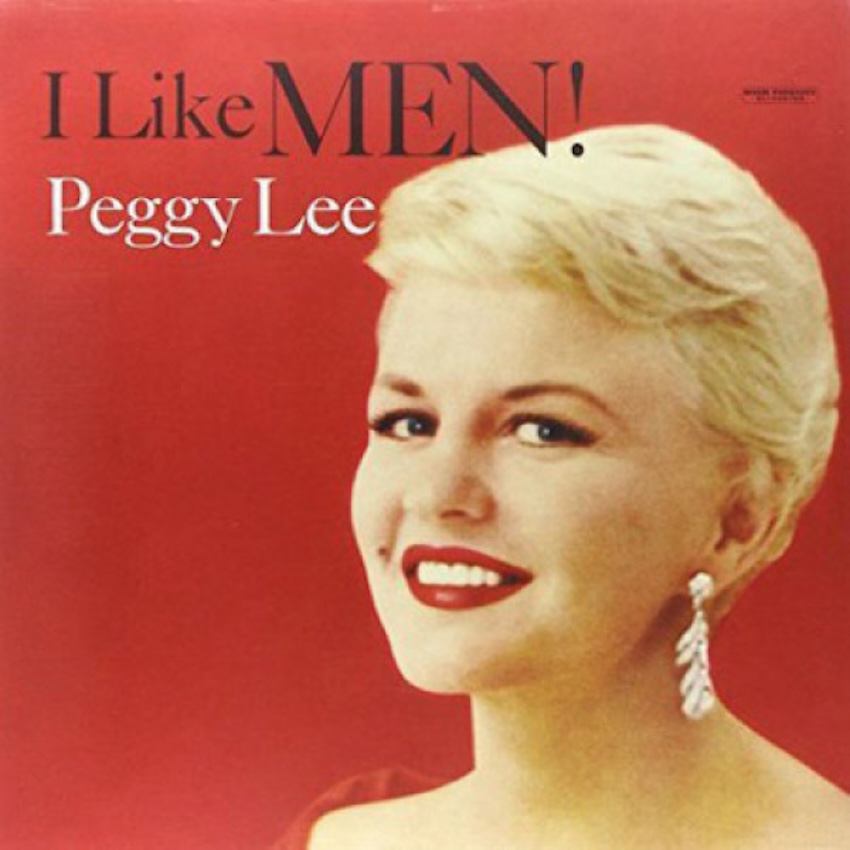
Change always takes time, and the priorities championed by neo-feminists aren’t always the right ones. Who will ensure—and can we even ensure?—gender parity among jazz audiences, which are predominantly male as I write and have been for a long time? How many women are there among jazz journalists, when press officers, for example, are predominantly women?
And, to shift the focus to another minority issue: when will French jazz welcome as many Black, North African, or Asian musicians as its British counterpart, where racially mixed groups are far more numerous?
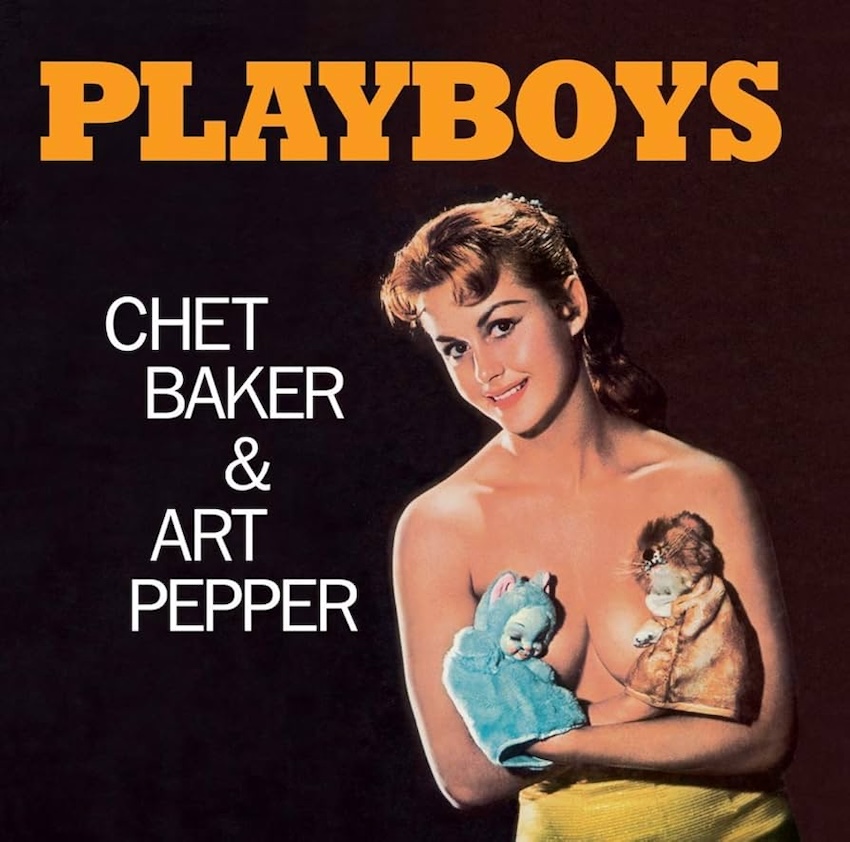
Here is a potential “struggle” that receives little media attention these days.
But all this takes time, and the struggle for gender parity and against the relative scarcity of women in jazz seems to me largely driven by a trend originating in the U.S., where gender studies have become a lucrative and media-hyped academic niche. And this in a society that highlights the “war of the sexes” while it has never fully embraced the class struggle and has still not come to terms with its legacy of Native American genocide or the aftermath of slavery and racial discrimination.
Across the Atlantic, there was another form of “war”—spearheaded by Wynton Marsalis—over “true” Black jazz versus White jazz.
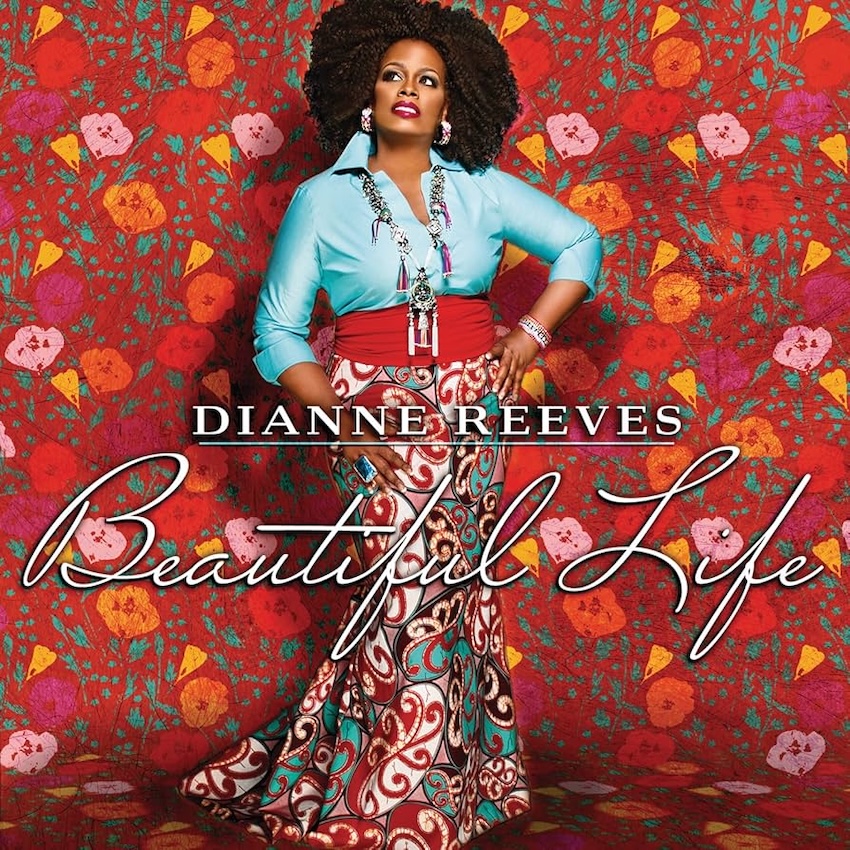
This movement has never taken hold in Europe, where history and the past are entirely different. Isn’t it time for French neo-feminists—most of whom come from the bourgeoisie and have little concern for working-class women, European or otherwise—to focus more on social and racial discrimination, or on the scandal of female genital mutilation, rather than on inclusive writing and gender parity in jazz?
The debate is open, and both contradictions and opinions are welcome!
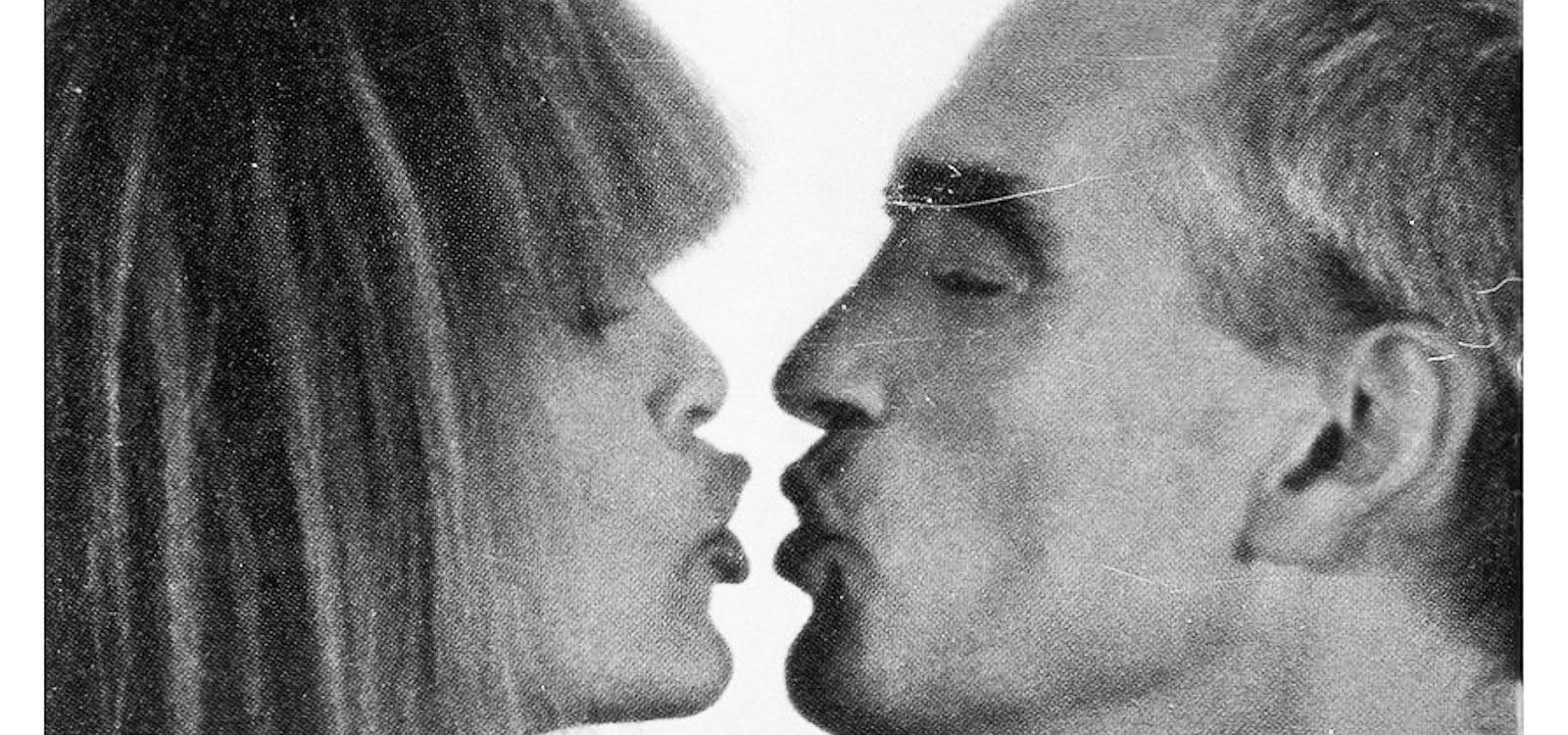
©Photo Header d’après la cover de “Duets” Carla Blay & Steve Swallow chez Watt











RECENT COMMENTS