
“Horum omnium fortissimi sunt Belgae” — “Of all the peoples of Gaul, the Belgians are the bravest,” wrote Julius Caesar in his Commentaries on the Gallic War. The statue of Ambiorix, erected in 1884 on Tongeren’s Grand Place, reminds us that the king of the Eburones did not merely lend his name to a brand of shoes: he also fought the Roman legions with pride and was never captured by Caesar.
More than 2,000 years later, it was in this charming Belgian town that the Motives for Jazz Festival took place this year, the third edition of a nomadic event that puts Flemish jazz centre stage, without limiting itself to it. Ola Tunji, for instance, the first group on the bill on Thursday evening, is based in Brussels and led by French saxophonist Onella Noulet. Already the recipient of several awards in both France and Belgium, the quartet has an unfailing admiration for John Coltrane’s spiritual jazz, although this has nothing whatsoever to do with the centenary celebrations of the legendary musician. With a debut album due later this year on Bruges-based label Werf, the quartet delivered intense and original music in the wake of the New Thing movement that emerged in the 1960s.
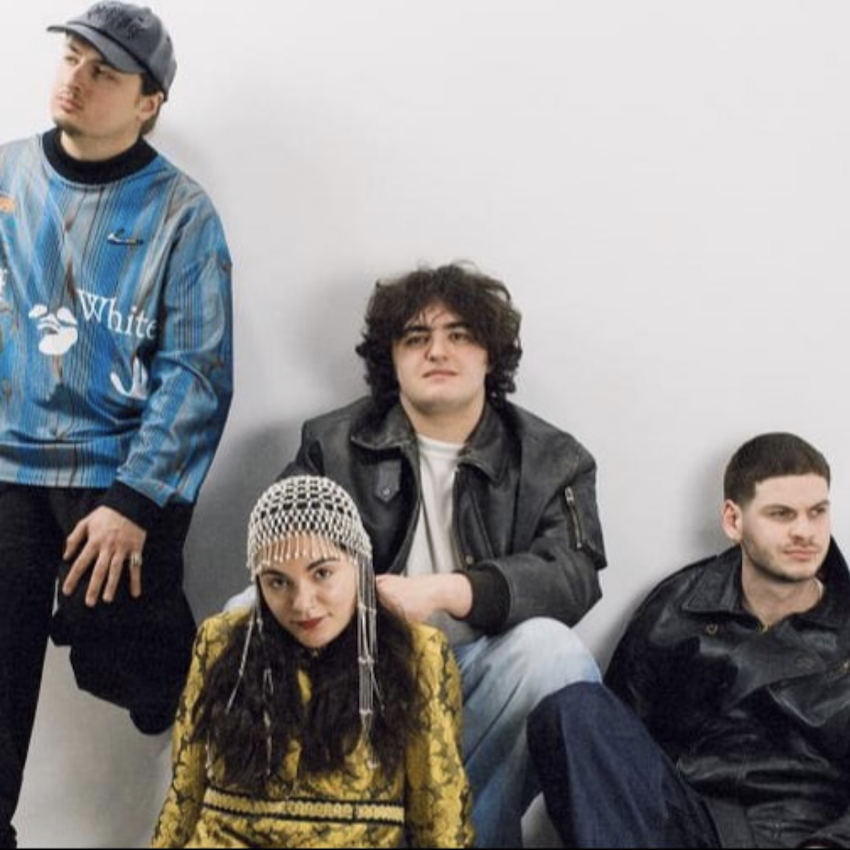
Un peu plus tard, le pianiste belge Alex Koo présentait, aux côtés de son épouse, la vocaliste Lorena Del Mar, son tout nouveau projet, Kimono Garden. Le couple était rejoint par Andrew Claes aux flûtes et à l’EWI ainsi que par Trui Amerlinck à la basse et au violoncelle. L’alternance entre instruments électriques et acoustiques confère à la musique d’Alex Koo une dimension particulière, sublimée par son talent de compositeur.
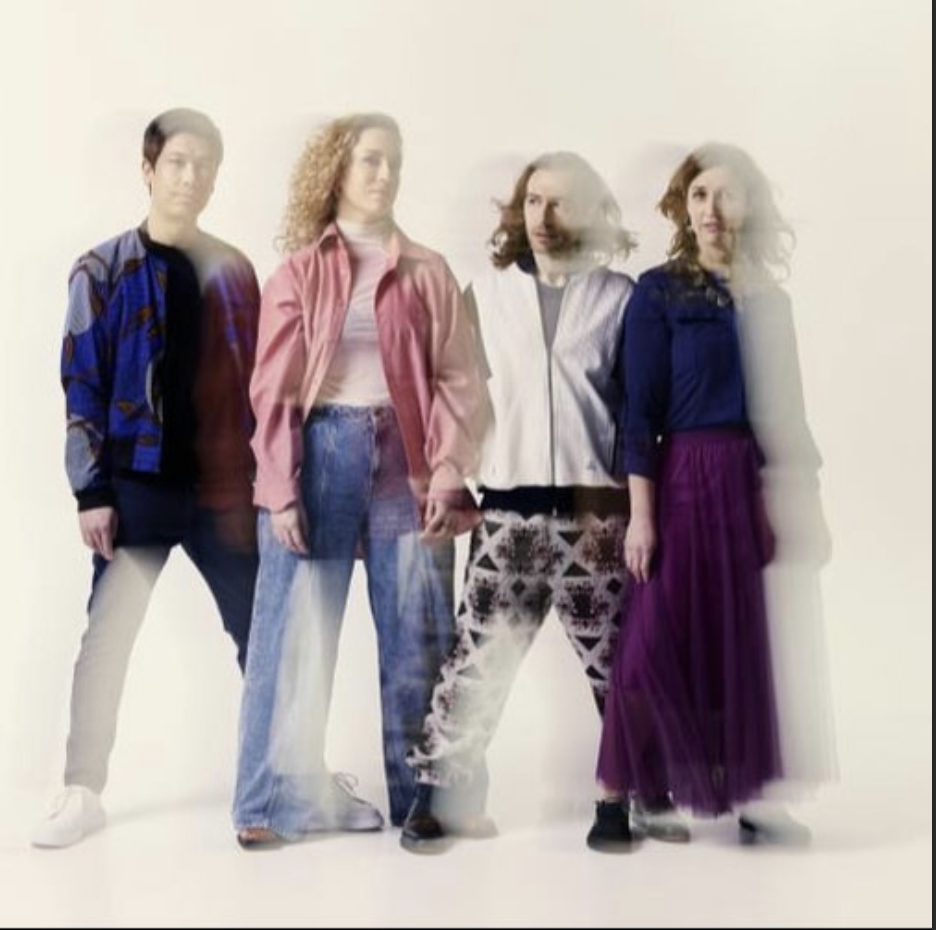
Later that evening, Belgian pianist Alex Koo presented his brand-new project, Kimono Garden, alongside his wife, vocalist Lorena Del Mar. The couple were joined by Andrew Claes on flute and EWI, as well as Trui Amerlinck on bass and cello. The interplay between electric and acoustic instruments gives Alex Koo’s music a distinctive dimension, further enhanced by his talent as a composer.
This first evening, modest in terms of playing time, was followed by two busier days, during which no fewer than eight groups took to the stage at the Velinx, a superb cultural centre built in 1994.
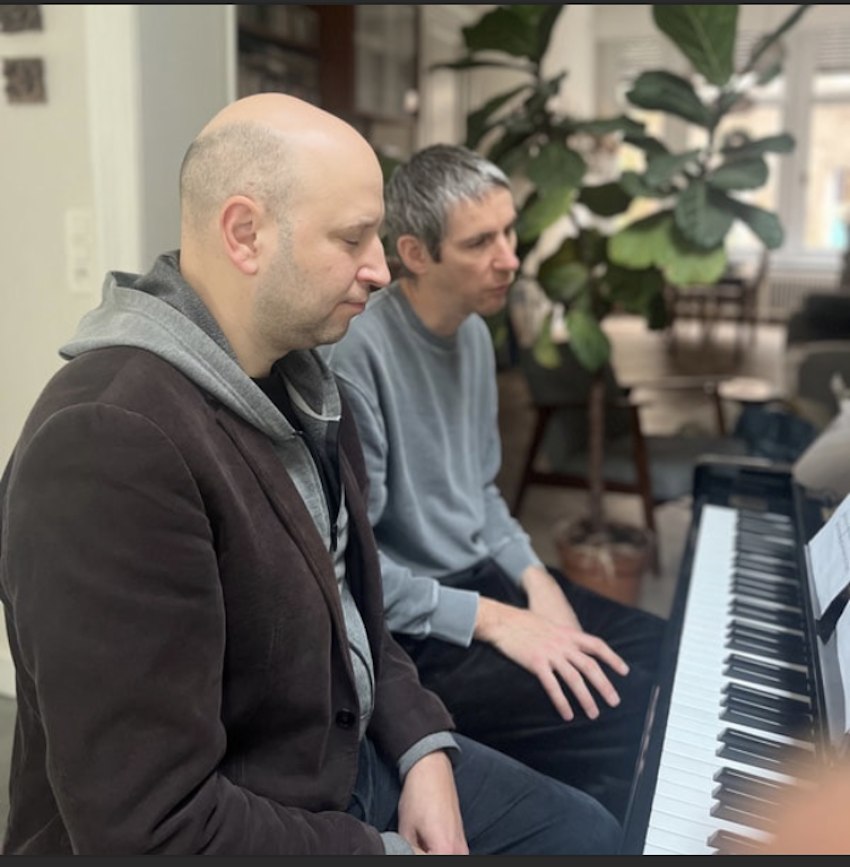
Among them was the four-hands piano performance by pianist Bram Weijters and Martijn Vanbuel. Better known as a double bassist, Vanbuel took up the challenge that evening of alternating between four-hands piano and the piano-accordion duo. Straddling the worlds of classical music and jazz, the repertoire included a seasonal favourite, Autumn Leaves, although outside there were no fallen leaves to be swept up by the barrow: summer was still very much in charge.
Later that evening, immediately after flautist Stefan Bracaval’s new and highly melodic project Zilt, the young Antwerp pianist Milan Verbist demonstrated the full extent of his talent alongside Toon Rumen on double bass and Jens Meijeron drums. The son of double bassist Piet Verbist, he presented a varied repertoire, partly drawn from his debut album released on Origin Records, the Seattle-based label run by American drummer John Bishop. Bishop knows the Verbistfamily well, having already produced several of Piet’s albums before welcoming his son for his debut release, which will be followed by a second album next year.
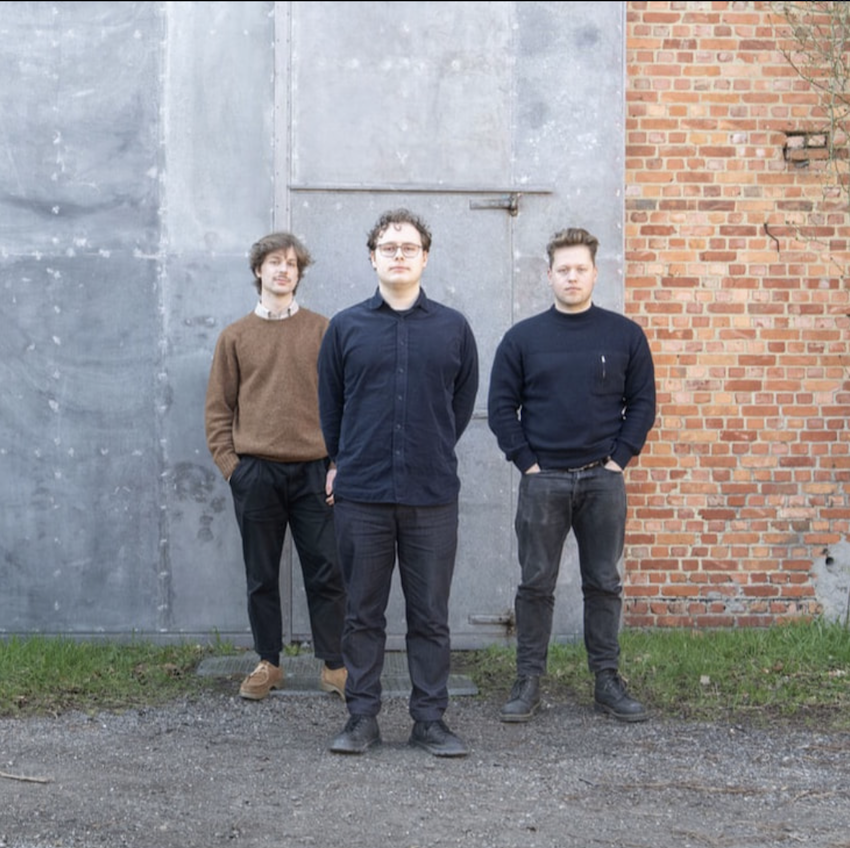
Fortunately, jazz knows no borders, linguistic or otherwise. Olivier Chavet’s Elements quartet, with which Friday evening came to a fitting close, was a perfect example. Drummer Olivier Chavet brought together double bassist Werner Lauscher, a German musician, in a project where the border between the two countries naturally disappears: both are originally from Aachen. Liège-based pianist Igor Géhénot and local trumpeter Carlo Nardozza completed the line-up. Drawing on their extensive experience as leaders and sidemen in numerous projects, each of the four musicians contributes to the musical edifice built by Olivier Chavet around his own compositions.
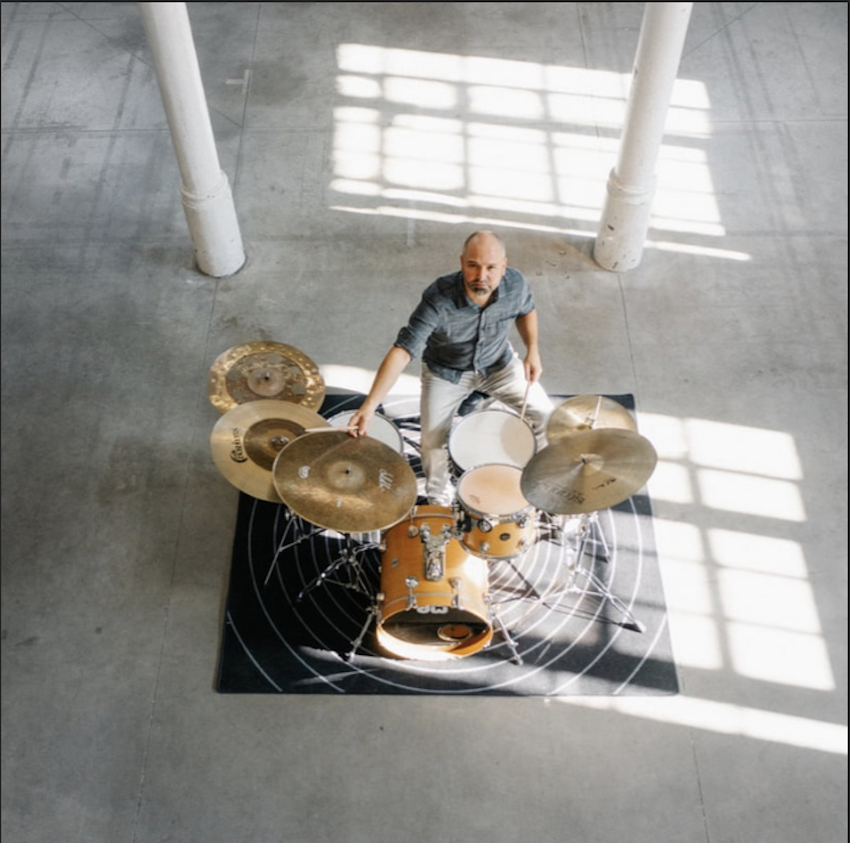
As with Ola Tunji, Brussels once again serves as the home base for the international quartet Dear Uncle Lennie, formed in 2022 by Swiss pianist Camille-Alban Spreng. Following a first album on Yolk, their second release is the result of a collaboration between Hungarian label BMC Records and Belgian label Igloo. It was, naturally, this new album, Sister Juniper, that they had come to present, although clarinettist Joachim Badenhorst was absent, replaced on this occasion by Irishman Sam Commerford.
With Benjamin Sauzereau on guitar and Marco Giongardi on banjo, the unusual instrumentation gives the quartet a distinctive sound, in which a folk sensibility blends seamlessly with the improvisational spirit of jazz.
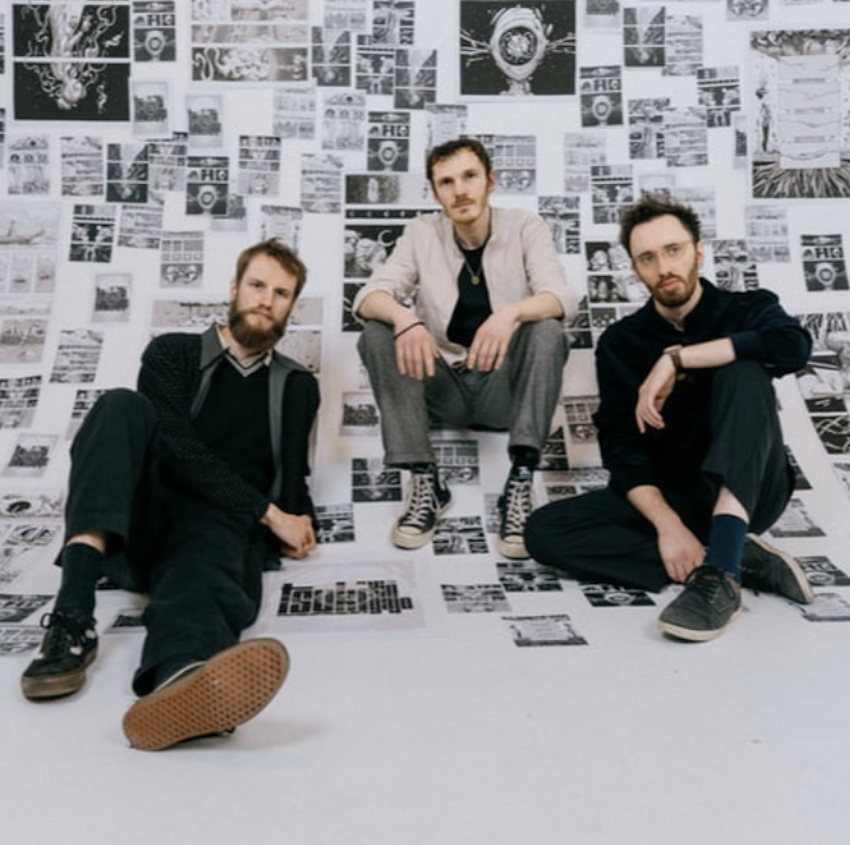
Another memorable concert on Saturday came from the trio Kin Gajo. These three leading figures of the Flemish jazz scene — accordionist Stan Maris, saxophonist Werend Van Den Bossche and drummer Tom Peeters — have collaborated with visual artist Moon, who drew inspiration from their music to create a black-and-white manga offered to vinyl purchasers. The project, Tsuki, is primarily the Japanese word for “moon”, but it is also the name of a manga character. All of this richly symbolic universe is brought to life by the trio once they take the stage.
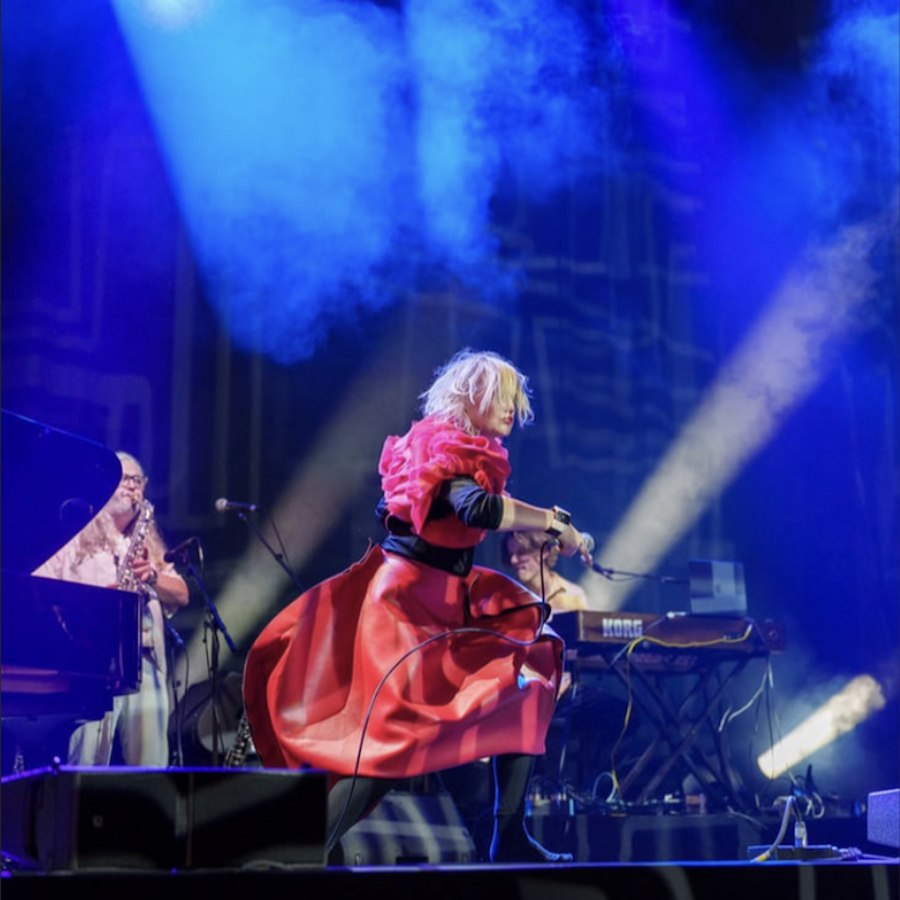
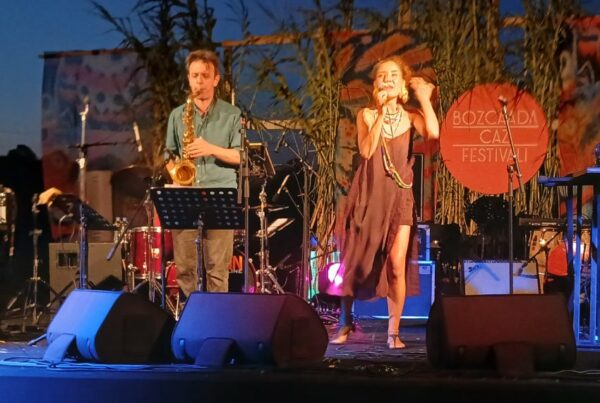
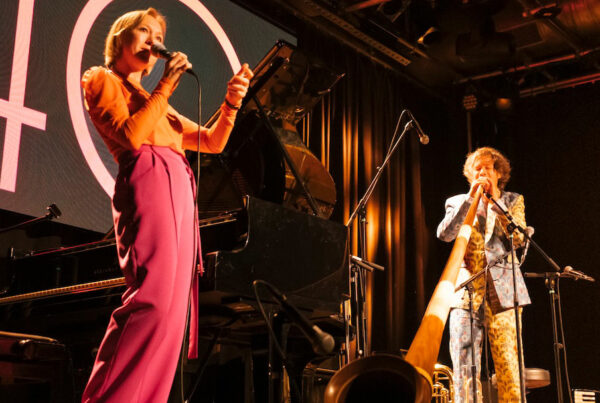
We did not entirely leave the Japanese universe behind with the pop concert, lightly tinged with jazz, by An Pierlé. Not musically, but visually: during the first part of her set, the singer wore an outfit clearly inspired by the traditional Japanese kimono.
From Kimono Garden on the opening night to An Pierlé’s closing concert, the eclectic programme of the Motives for Jazz Festival gave us plenty of reasons to appreciate jazz in all its forms. It was a shame, however, that the audience did not turn out in sufficient numbers for the 2026 edition. Let us hope that next year, in Genk, things will be different.
Links to Motives for Jazz Festival site, 2026.
©Photos of the official Motives for Jazz Festival, site 2026.














RECENT COMMENTS