These recordings, made on December 22 and 23, 1965 by Miles Davis at the Plugged Nickel, a small Chicago club, hold a singular place in his discography.
Emerging from a difficult period marked by health issues, the trumpeter now leads a band with a stable, finely tuned lineup. Alongside him are young musicians of exceptional caliber: Ron Carter on bass, Herbie Hancock on piano, and Tony Williams on drums, joined in the summer of 1964 by tenor saxophonist Wayne Shorter. Together, they inject a fresh, invigorating energy into his music.
As evidenced by the album E.S.P., released the same year on Columbia Records, this is a tightly knit unit—known in jazz history as the “Second Great Quintet”—capable of reimagining an original repertoire largely composed by its own members, with a distinctly forward-looking spirit.
Before the audience at the Plugged Nickel, however, the context shifts. The quintet turns to a repertoire of standards from the Great American Songbook—“My Funny Valentine,” “Autumn Leaves,” “Stella by Starlight”—alongside celebrated Miles Davis pieces such as “So What,” “Milestones,” and “Four,” steering clear of any comfortable routine.
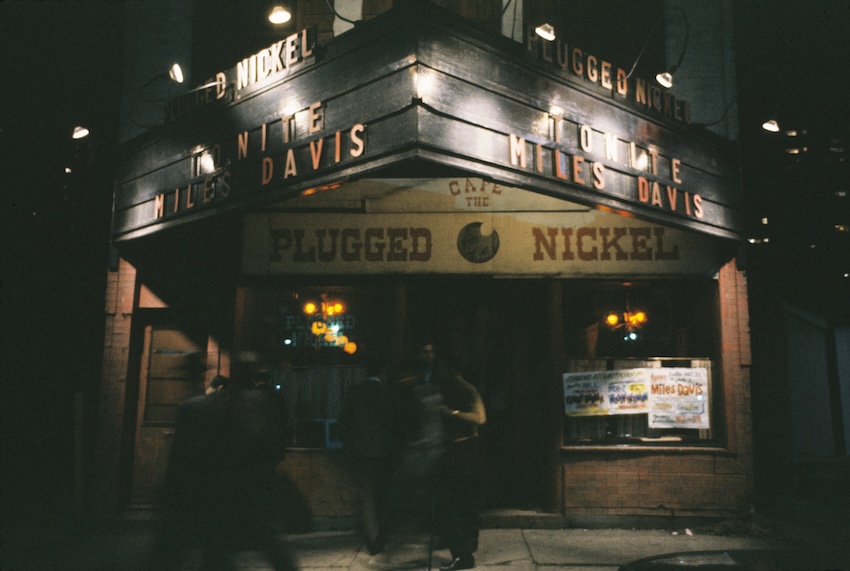
©Sony Music Archives
Rising to the challenge, and guided by what feels like a form of musical telepathy, they improvise with striking brilliance. Collectively, they carve out a discourse that strays from familiar paths, at times dismantling these standards piece by piece, reshaping them in the process. The approach prompted a characteristically perceptive remark from Davis himself: “We found a way to make old music sound as new as the new music we were recording.”
Their method is illuminated in a remarkable essay by Syd Schwartz, who traces, for each piece in the setlist, its origins, earlier versions recorded by Davis, and the distinctive features of these Plugged Nickel performances.
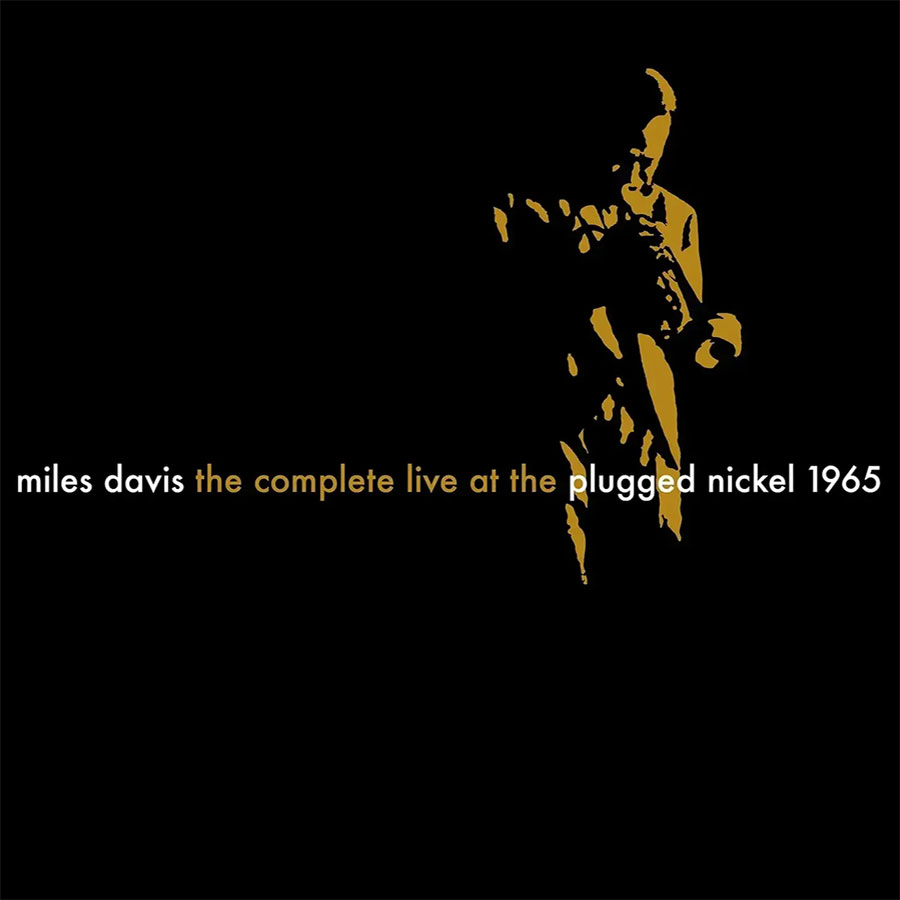
An additional essay by Bob Blumenthal—originally published in the 1995 Mosaic Records edition of this eight-CD (or ten-LP) box set—situates these recordings within the broader arc of Miles Davis’s work, further enhancing a richly detailed, forty-page booklet illustrated with archival photographs.
This invaluable document of the Second Great Quintet stands as a fitting tribute to Miles Davis, whose centenary is being celebrated this year.
















RECENT COMMENTS