
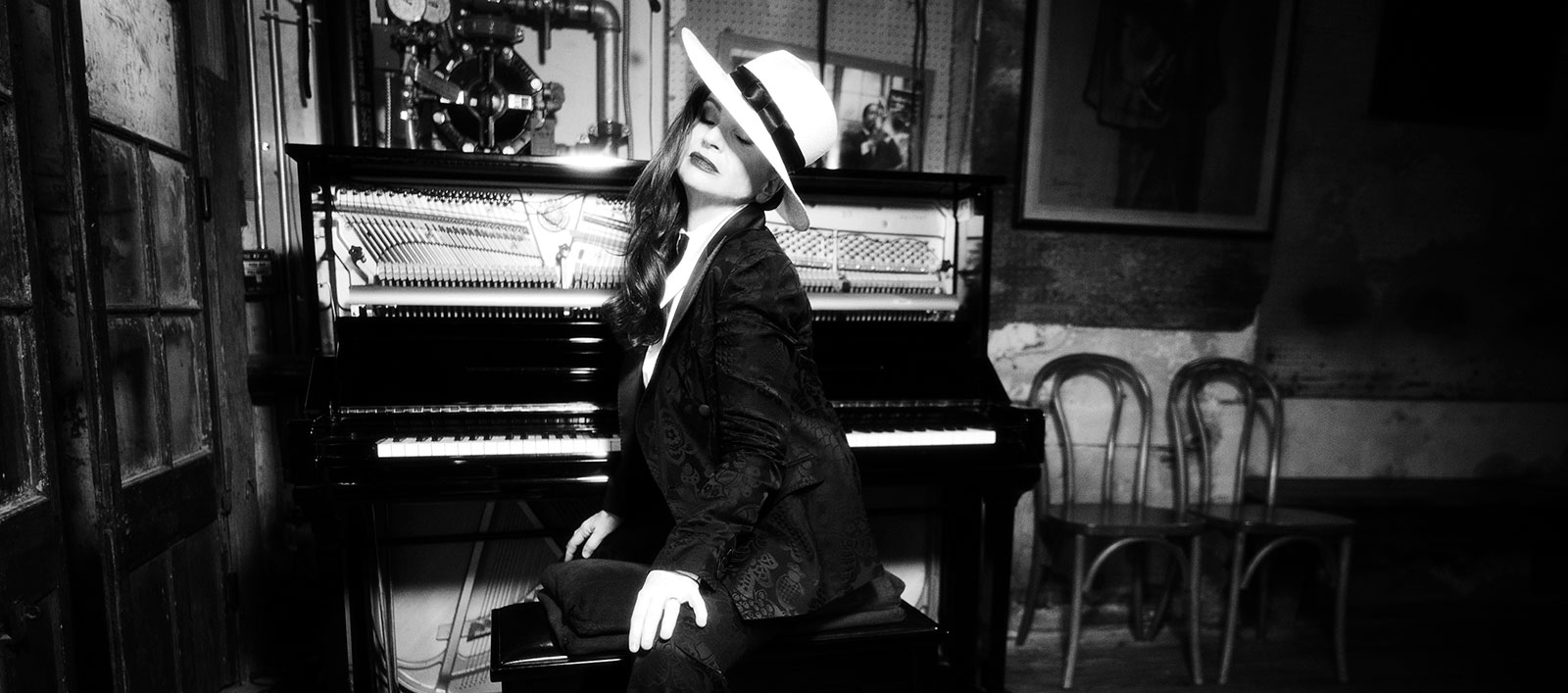
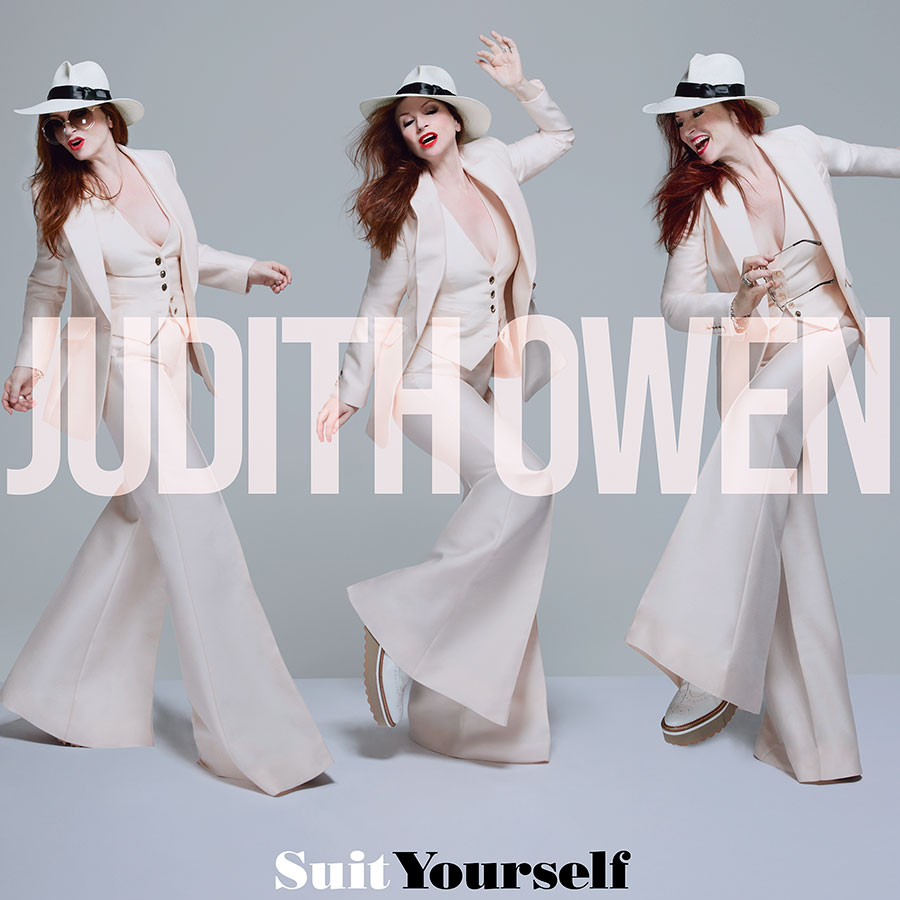

For several years now, Paris had been eagerly awaiting the return of Judith Owen and her Gentlemen Callers, along with the release of her new album. The wait is finally over.
There is something about this new record that breathes the heat and humidity of New Orleans. Recorded at Esplanade Studios, it extends Judith Owen’s ongoing exploration of jazz and blues, this time with a sense of freedom that makes itself felt from the very first notes.
Surrounded by her faithful Gentlemen Callers and the J.O. Big Band, she builds a program where standards converse with more unexpected choices. The presence of Davell Crawford and Joe Bonamassa goes far beyond a simple guest spot: they become part of an almost organic collective breath, where each intervention finds its place without ever upsetting the balance.
Judith Owen’s voice, as embodied as ever, moves between formats—from the intimacy of piano and voice to the full scale of a big band—with a flexibility that gives the album its unity. Standout moments include the deeply inhabited Today I Sing The Blues (in duet with Davell Crawford), the understated elegance of Mind Is On Vacation, and the slightly roguish charm of That’s Why I Love My Baby.
More than a tribute, Suit Yourself is a way of inhabiting this repertoire—letting it resonate again without freezing it in time. A record that unfolds naturally, driven by interplay, nuance, and the sheer pleasure of making music together.
This new album follows in the footsteps of Come On and Get It (2022), the singular Judith Owen Swings Christmas(2024), and the live big band album Judith Owen Comes Alive (2024), nominated by the Académie du Jazz.
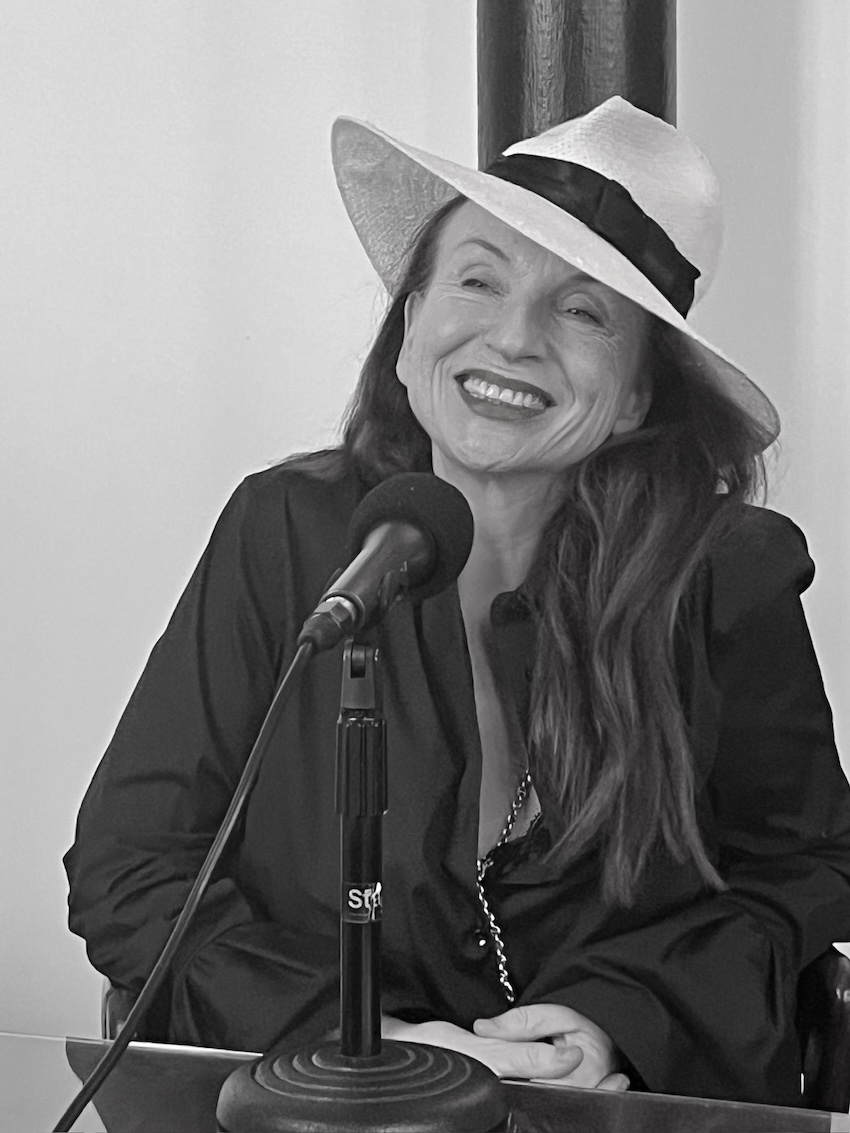
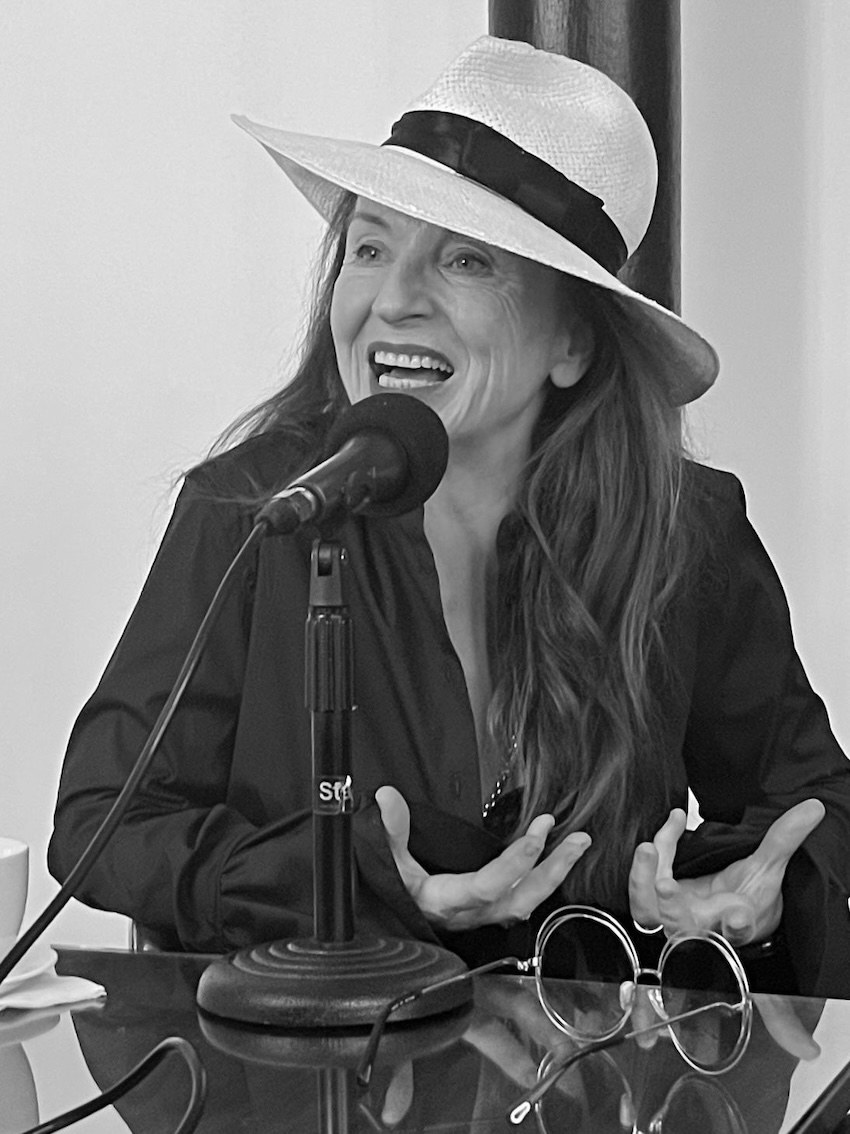
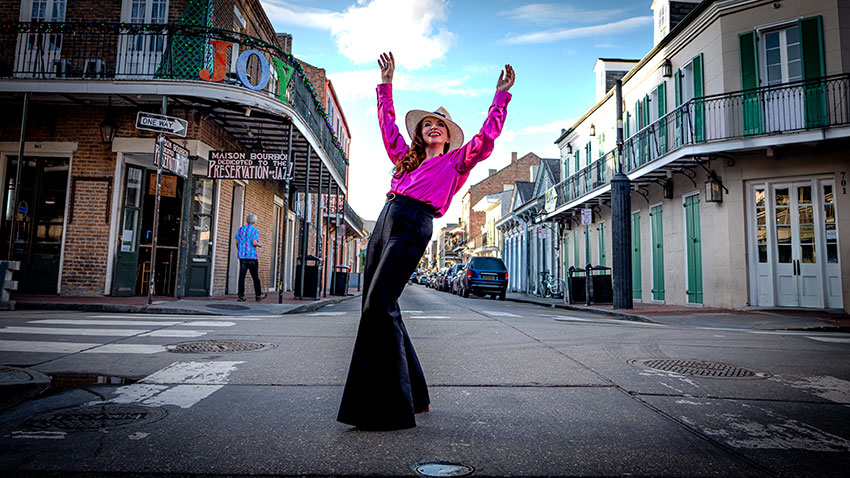 The day after her performance (March 26, 2026) at Le Bal Blomet in Paris, marking the release of this new album, Judith Owen visited the Couleurs Jazz offices to answer our questions.
Interview with Judith Owen
JP : Your new album, Suit Yourself, celebrates jazz, blues and big band traditions while showcasing your unique voice. How did you approach blending these styles in this record?
JO : Well, I took from the things that I’ve done over the last few years, I made an album, as you know, called Come On Get It in 2022, which was celebrating the woman that I heard when I was a little girl, forgotten now, but they made me want to be this entertaining, powerful, musical force on stage, to be joyful and to really…
Like just to be that performer that I now have become. So after that, I did a big band album for Christmas called Judith Owens Swings Christmas. And that was one of the great joys. There’s nothing like playing in front of a big band. Nothing. Nothing.
It’s like being a rock star with the sound, how huge it is. And because I’m a very big Nelson Riddle fan of Frank Sinatra and Ella Fitzgerald fame and of Quincy Jones, of course. So that to me was an extraordinary experience. So I wanted to mix those two things, but also not just to play the music of people that I love, the songs I love, and to rearrange them, interpret them.
So they’re mine and you hear them fresh. But I also wanted to go back to my own songwriting, which is what I’d been doing my whole life until Come On and Get It. So it now was a way that I could literally suit myself, do whatever I wanted and to make you hear and see all sides of me musically.
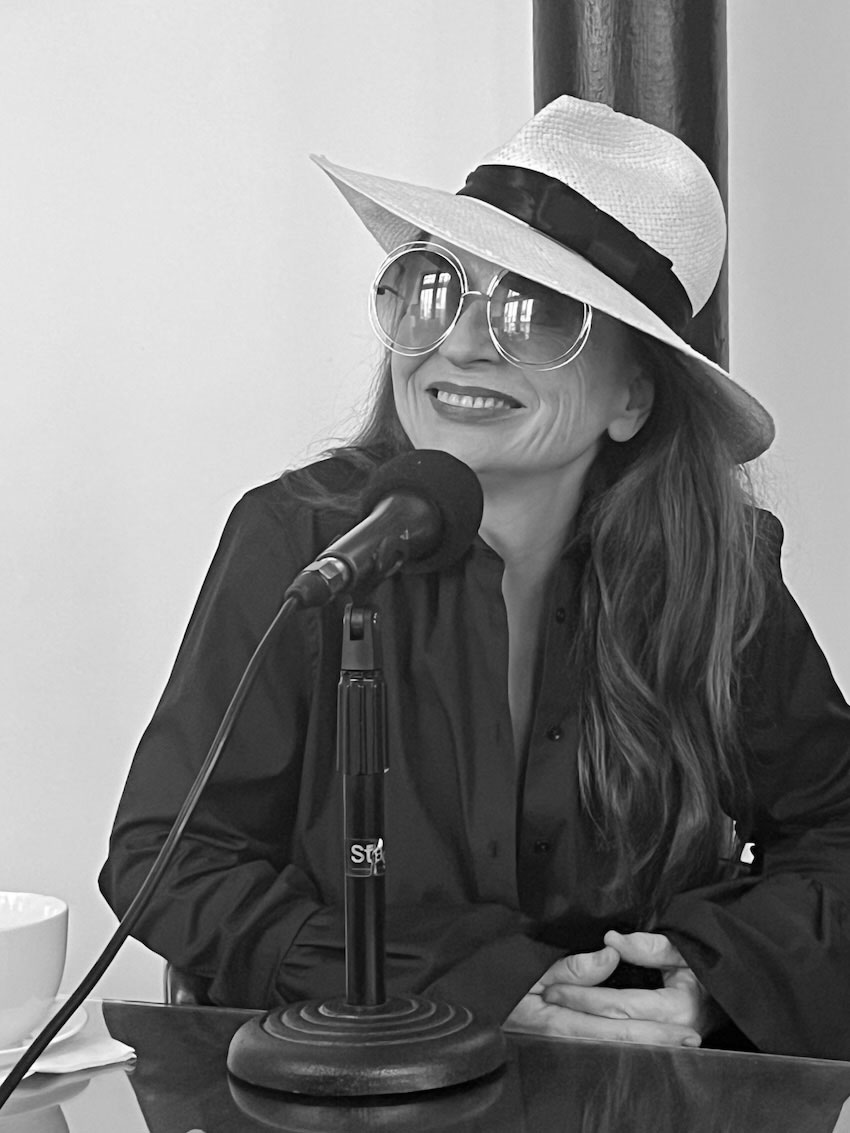
Great, and it’s the occasion to… How can you say a word about your amazing New Orleans band who perform in Le Bal Blum in Paris? The communication between them and you seems just really… First, really important and amazing. It’s like a jazz signature.
Yes, it sounds like it’s classic, classic of a time, really. A period in the jazz era when jazz music was pop music of its day. It was made to dance to. It was made to feel joy from. And that’s the jazz I love. I like blues-based jazz with some gospel thrown in.
And what you describe is something so special when you have six men on stage playing around you, supporting you. But it feels like there is one brain and one heart between all of you.
We are on the same wavelength. Where I go, they go. They follow me, they inspire me, and then they will play something or do something, and then I will react to that. It is like a dance. It is the most beautiful dance that there is where you are sharing a stage with incredible musicians and you are all having a conversation, a musical conversation, but it is a movement. It’s like when you see a school of fish. And they all move in the same direction. Nothing tells them to, or birds in the sky. And they all move at the same time. And that’s how it feels. It is a truly extraordinary feeling.
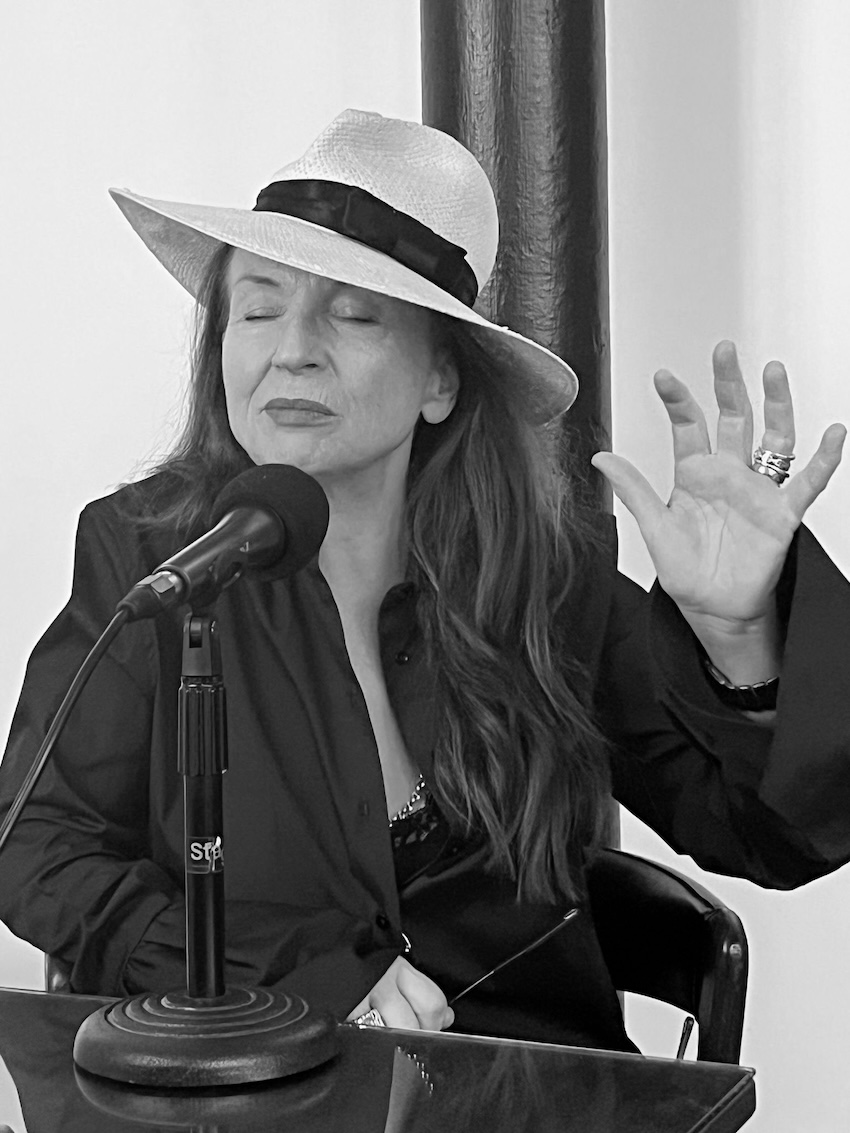
Yes, as spectators, we have this feeling too, because you are always watching, looking at them, and they are watching you very seriously. Smiling. And that’s one of the aspects I really love in jazz, is the communication, the interplay, as they say, the interplay between musicians.
It’s the conversation. And it’s the conversation with the audience too. I think the audience are very important. I don’t like when artists ignore the audience or are disrespectful of an audience. They just don’t care. The audience are there because…
You know, they paid money to come and see you. They are the reason you have your job, your life. So I like the audience to be involved. I like to talk to the audience, to entertain the audience, to make them laugh, to make them cry, to take them on this journey with me, this ride. And I think…
The thing that makes New Orleans musicians so special, my band so special, and that’s why I call them now the callers because sometimes they’re not gentlemen, you understand. Yes. And so, but they’re the callers because in New Orleans, when you’re on stage, if one of the musicians plays something, shall we say, another musician will call out. They’ll go, yeah, yeah, yeah! Play it. They call to me when I sing something they love. They all talk. We’re all talking on stage, not just musically. They’re calling out. And that’s from the church. It’s a church thing. And it’s a gospel thing, but it’s marvelous because you aren’t being, you’re not being too serious. You are not taking yourself so seriously. You are in pure joy of the music.
That’s obvious when we watch you and listen to you on stage, really. Another question, other subject is you cover legends like Aretha Franklin and Etta James on this album. Have you ever had a moment where you thought, maybe I’m crazy for typing this song, which is so famous?
Yes, oui! Tout le temps. But…
Here’s how I feel about covering classics by the greatest artists. You will never, ever sound like that. I am not trying to sound like a black singer. These are the people that inspired me. It is the music that I love. It’s the world I live in. But I sing like a woman from Pedugal with a big, rich, soulful voice. This is why New Orleans embraces me, because I have soul and I sing from my heart straight into my voice. And I believe that when you cover great music by great artists,
Your job is to make it sound, because I’m a composer, I’m a writer, I’m an arranger. So my job is to make it, to arrange a song so that it sounds like I wrote it. It’s my life. It’s my truth. I’m speaking from the heart. I’m not just doing another cover.
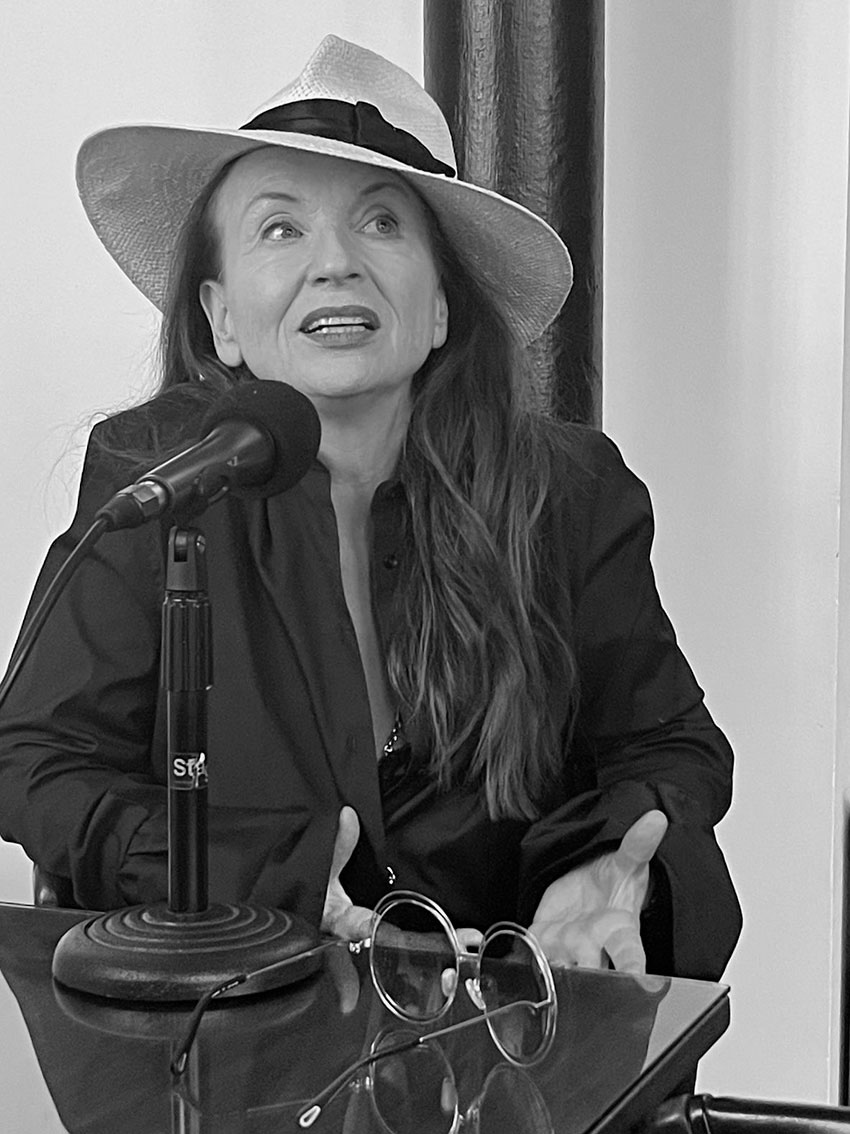
Yes, and then it belongs to you.
It belongs to me, you are right. That’s properly jazz. Yes. All the big standards are played by the best musicians. Correct. And we love that. Yes, we do. And I go so far with songs like If I Were a Bell, for example, which I played last night. It’s an amazing song from an American musical, Guys and Dolls.But I take it as far away as I possibly can from the original. And I bring a sort of Brazilian jazz, sexy bossa nova feel to it because that’s what speaks to me. That’s what makes me sing those words and mean it.
Having grown up in a musical family and spending your childhood at the Royal Opera House, how have these early experiences shaped your approach to performance and arranging today?
Every morning I would wake up, since we were forever, hear my father singing, doing his scales, warming up, preparing to sing. Every weekend we would be at the opera house watching dress rehearsals, you know, watching their rehearsals in this magical, extraordinary place with the orchestra playing, with the sets, the beauty, the artistry, this painting on stage, and then voices that were really like, you know, on another level of artistry.
What a school!
What an incredibly privileged childhood I had. I remember being down in the canteen, you know, in the cafe downstairs in between acts and I was sitting there and the ballet dancers were practicing in another part of the opera house. So they were like, they never ate. So they were running through basically coming to get coffee.
And then Pavarotti walked in and it was my sister and I, we were little. And he came over and said, you know, hello, and introduced him and chatted to him for quite a few times when I was a child. And I didn’t know. I just, I knew he was the marvelous man on stage singing and with a voice from God, you know what I mean. The minute Pavarotti opened his mouth, the sun was shining. And that’s one of the things that affected me so deeply, that sound, that feeling of joy in a person’s instrument, in their voice. And so when we went home, my father and my mother were very unusual people, but definitely my father was because he loved jazz, he loves blues, gospel, Stevie Wonder, Aretha Franklin, all these women I described earlier, Nellie Lutcher, Julia Lee, Peggy Lee, Blossom Deary, all these women at the piano who affected my life so much, inspired me. And I was hearing everything, everything, and I didn’t know that there were walls. I didn’t know that…
I was meant to only do one thing. I don’t understand that. I don’t understand this at all because, and that’s why I love people like Jon Batiste so much, because you should do everything.
Everything that you do from your heart and do well, the thing that is natural to you, that you know and that makes you an artist. That’s what being an artist is. You wouldn’t tell Picasso to only paint in one style. That would be ridiculous. Or any artist. You know, we’d never tell a painter, oh, no, no, no, you can’t do that. So I think the same with music.
I think the blurring of lines between styles is like being in different moods. You want to hear certain music when you’re in a mood or a different mood in a different place in time. And I feel that that is what I have. And finally, I’m living at a time where this is okay. This is now okay.
To be more, you know, to not be told you have to stay in one thing. That’s the music business, though. That’s the music business. Now you feel comfortable about all that. You have enough experience. And also, I think the world has come around to my way or Jon Batiste’s way of thinking, which is I can do classical music, I can do Americana, that’s what he’s just done. I can do it all. Why shouldn’t I? I’m an artist. So I think it’s… And the public has never had a problem with this. Never. The public is… Sometimes the critics work for it. It’s the critics and the business because it’s easier to sell. But now I think there is a real understanding and appreciation for this.
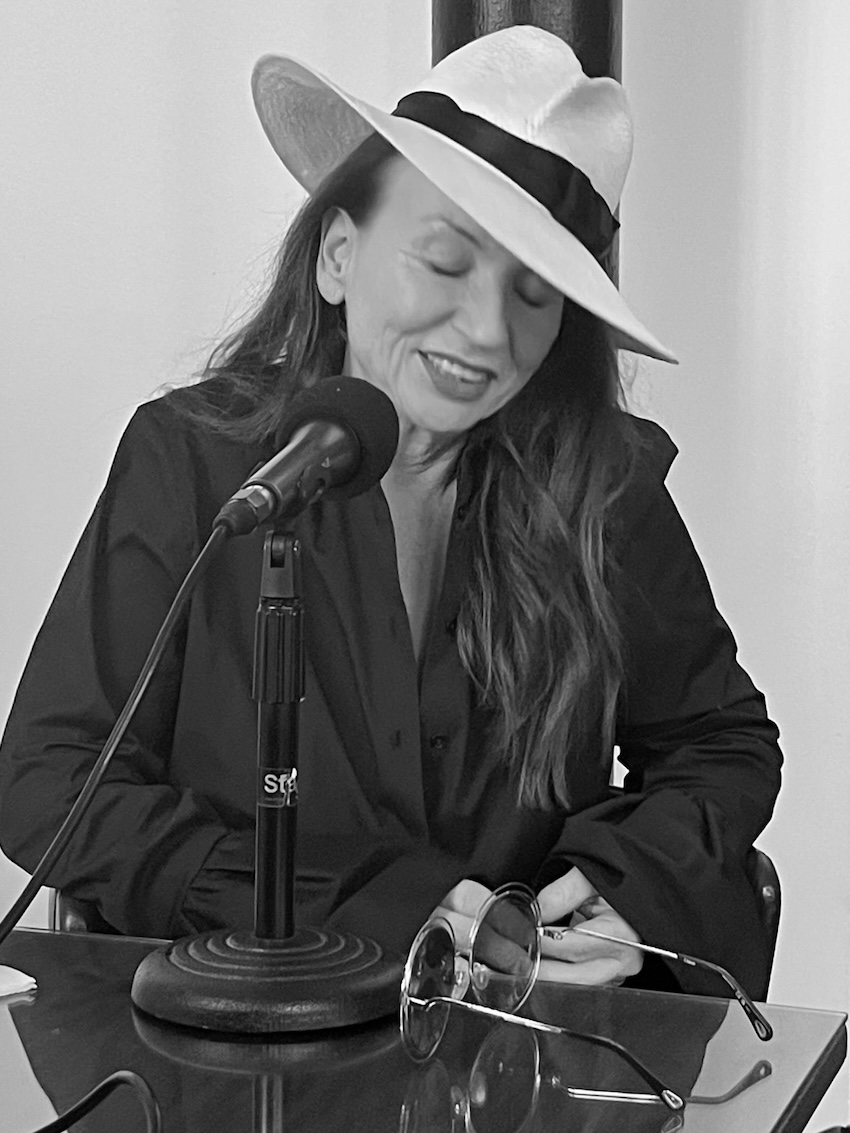
It’s the reason that I am who I am today, because, I’ve always lived to play music. It’s the love of my life, but I have never felt as free and uninhibited to be my complete self. And that comes from living in New Orleans. When I first went there with my husband, we were living in California, in Santa Monica. And I’ve always lived in London. I live in London, but mostly in New Orleans. And the first time we went, I think it was 1998, I went for my honeymoon down to Jazz Fest. And I remember thinking, the minute I walked into the French Quarter, I turned to him and said, why don’t we live here? Why? Why don’t we live right here?
It’s because, I felt like I was home because I heard all this music when I was a kid. And the thing about New Orleans is that it encourages you to be your biggest, brightest, most fun, most life-affirming self. It’s a city that knows about finding joy in the face of adversity, of darkness and hardship.
And New Orleans is all about celebrating the day you have because tomorrow might not come. And that is in its music. The music smiles. The music is about finding that joy because it is a dark and hard history. It is the birthplace of jazz. And it has a very sad and difficult history, but from that came the art, the music that has changed the face of the world.
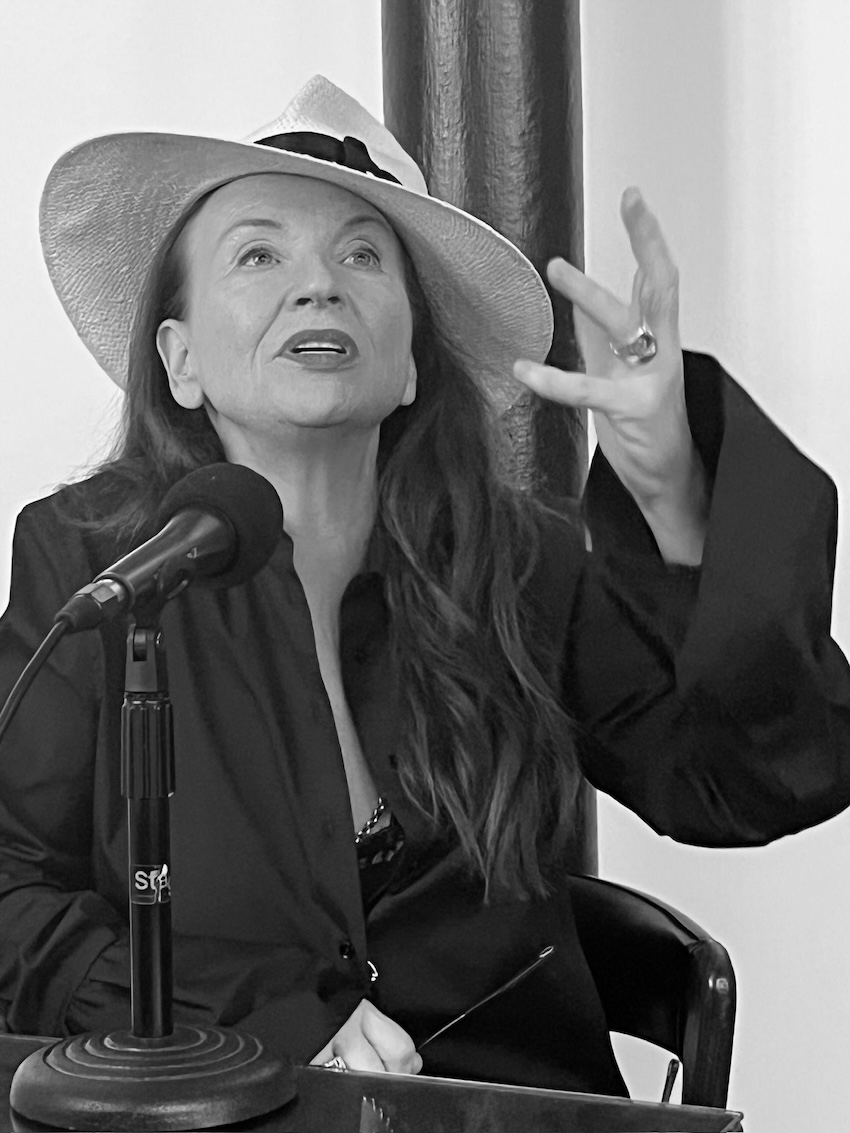
Yes, and nowadays with the new Trump President #2, how is it to be in America now?
Terrible!
Now, the other thing about being in New Orleans is that people leave us alone.
Because America looks down on New Orleans as being this Catholic city full of, you know, naughty people who do bad things and drink and enjoy and party and jazz, decadence and the blues. But they do everything in New Orleans now. It’s all music. It’s extraordinary, including classical. But so we’re left alone. And even though ICE was there, and that was terrible.
It doesn’t feel like you’re in America. That’s its saving grace. It feels like the most northern Caribbean city. That’s how it feels. And so of all places in America, I would rather be in New Orleans where people, like I said, celebrate the day. But honestly, waking up every morning, every hour, the news gets worse.
Crazier, more absurd. And it’s not just America now. It is affecting the world. Absurdity could be funny, but that’s not the case. There are times when he does things that I burst into laughter, like making his cabinet, making them wear these really awful cheap shoes that he bought for them and they were all the wrong size. And they would not complain because they’re all such cowards.
And this is a funny thing, except it’s not. It’s not funny because this is the man with the most power in the world right now, apart from Putin, his friend. So it is an extraordinary situation, but I do not lose hope because America goes like the pendulum, you know, it swings from one extreme to the other. And Americans, most of America and Americans are good people. They are people who know this is wrong. Even Republicans know this is wrong. And they look at it and now they’re shocked and now they’re worried. They can’t afford their food bills. They can’t afford to run their cars. Now they understand that this man is just about him. And so, but the truth is now I think everybody, everybody knows what people in New Orleans know, which is, and what I’ve known my whole life because I’ve been a very dark person with many troubles and sadness and depression. And I know that the most important thing that we have is to celebrate life at this moment, the lives we have, the wonderful things that we have as people, in nature, in life, in friendship, in love, that is it.
So I don’t lose hope. I think this will turn around. He will do much damage. He really will. But I think that’s why I covered Blue Skies. That’s why I sing that song. On the other side of every storm cloud is a blue sky and the sun is shining
Exactly. I noticed that you said that yesterday. It was really important. And so come back to your music because your music is a difference. It makes people both tense and feel deeply. Have you ever noticed an unexpected reaction from an audience that caught you completely off guard? Like the dog, for instance…
There was a dog at Bal Blomet last night! I have to say, music, food, but actually dogs come higher than food in my life. They must, because I love dogs so much. I love animals. I love animals. I spent a lot of time with elephants. I spent a lot of time in the ocean with whales and manatees and all sorts of marine life. I love animals so much because they make us better people. They make us better human beings.
I want people to move in their seats. I want them to feel that. We are not so much used in France. No, but you were. In the jazz clubs. No, in New Orleans, everyone is moving. But honestly, you moved a lot last night. So when I got to the last song, that was exciting for me. Inside Out, which I wrote with fabulous Jameson Ross, my often drummer and extraordinary artist. And it is the, I like to play it last because you cannot go anywhere after that. It is so full of celebration and it means the whole album. It really sums up the album, which I have learned. This is the lesson I have learned in life. If you show your true authentic self, other people will love you for it. Do not hide who you are. Do not carry secrets about the sadness and the struggles you have. If you share it, you will find that other people have it too and will know exactly what you’re talking about. And so it is a song about, you know, wearing your heart on your sleeve and being your authentic self. And I loved last night because it was ecstatic.
And yesterday night it was magic!
Yes, it was intense!
Because it is sincere.
Yes, the public feels it.
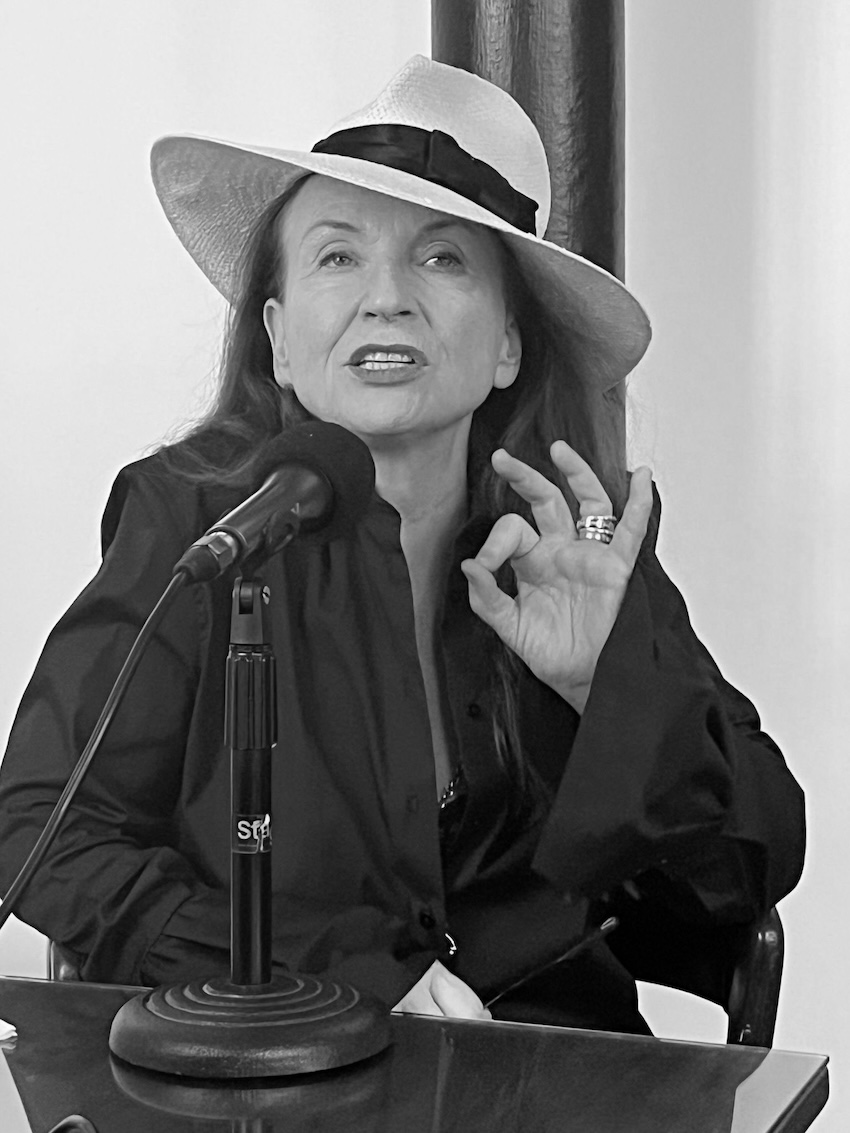
Tell me about the arrangements on tracks like Morning and Evil Girl Blues, who reinterpret hystorically male-led compositions from a female perspective. Can you talk about the courage and vision behind these reinterpretations? We know your commitment for women cause and rights, like in your previous album.
Yes, absolutely. I am very proud to be a powerful woman on stage and a funny woman on stage.
And a really funny woman too!
Thank you. I always wanted to be an entertainer. That was the most important thing to me, has always been in my life, is to entertain the audience, to bring them with me, to have them feel what I feel. And so a big band is a state of absolute joy.
And for these pieces—Evil Gal Blues, notably popularized by Aretha Franklin—I absolutely didn’t want to copy. I didn’t want to sound like the original, or to recreate the Muscle Shoals spirit. That wasn’t the point.
I wanted to reconnect with the energy I had on my Christmas album, that completely unbridled swing. And I have my own big band in New Orleans, the J.O. Big Band, with a swing that’s simply incredible.
I have my own big band in New Orleans, the J.O. Big Band, whose swing is immensely powerful, deeply rooted. Once again, it makes you want to dance all around the room. That’s it. That’s what I was looking for as a child: music that makes me happy and makes me want to move.
And Moanin’, for instance, has mostly been heard in instrumental versions or sung by men. Jazz is a very male-dominated world, historically shaped by men. It still is, even if things are changing. I’ve always been aware that women were often seen as a kind of “decoration” on stage, even though they are the great singers, the ones at the front. Of course, not Ella Fitzgerald, nor the women I deeply admire. But there was this idea of “the band’s singer”…
So I wanted to make it clear that I am the leader.
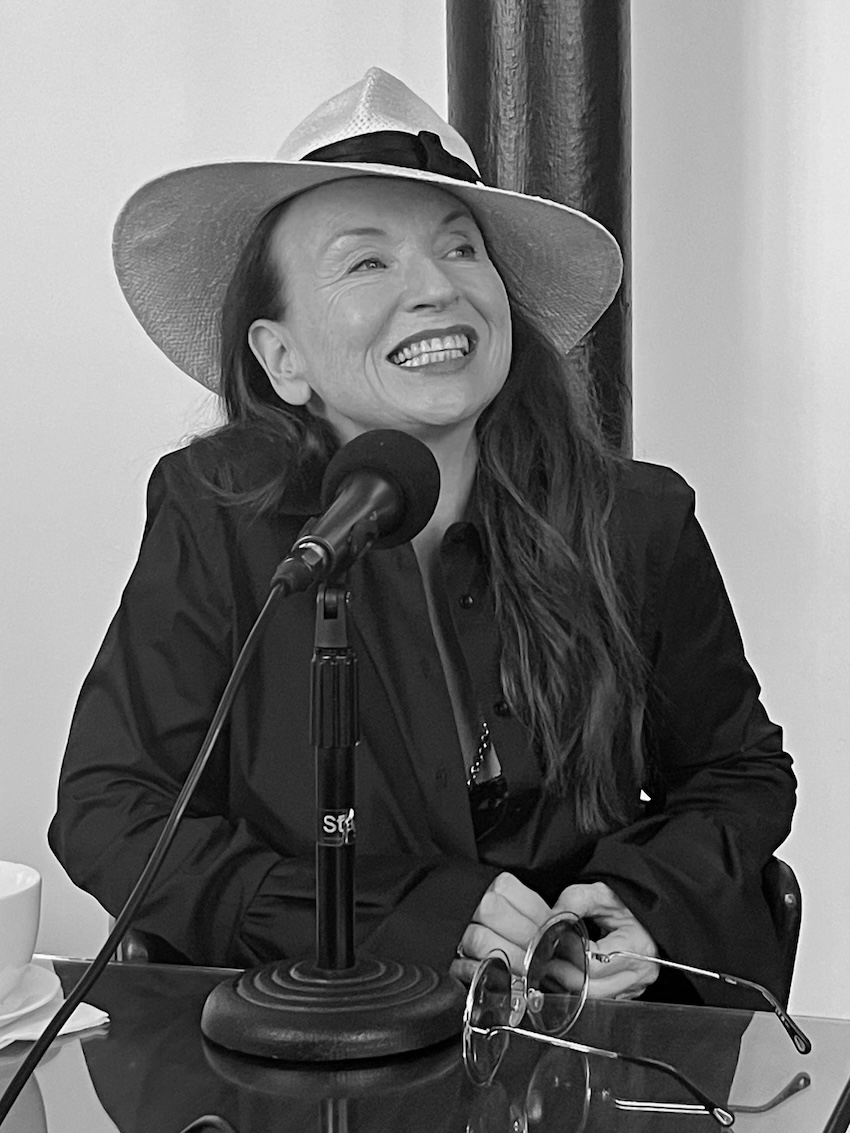
And you can clearly feel that on stage! And at the same time, each musician has a strong personality.
Huge. They’re not just there to back a “star.”
Exactly. I don’t want a passive band. Every one of these musicians could be a leader in their own right. In fact, they are. They’re incredible artists, with strong personalities. And that’s what makes the tour so enjoyable: you don’t want to share the stage with people who don’t make you laugh, people you don’t genuinely love.
They’d interrupt me all the time if I let them speak! So I lock them in the hotel… 😄
They love that I’m a strong woman. And it takes a truly solid man to support a strong woman. Truly.
And with Moanin’, just like Your Mind Is on Vacation—the classic by Mose Allison—these are pieces that reflect how I feel.
When I wake up in the morning and read the news—I can’t help it—I’m shocked. That’s what my version of Moanin’ is about. The big band was perfect for that, because it brings weight, power. It’s an angry version.
Exactly. That’s what I wanted to express.
Several of your songs, like To Your Door or That’s Why I Love My Baby, explore personal themes and relationships. How do you write songs that are both intimate and universal?
I’ve never had any trouble with that. And I think it’s because I’m very honest. I sing about things everyone understands, because I’ve lived them. And I listen a lot to others, I observe, I analyze… I know I’m not alone. We all go through things in life and in love. And I’ve never written a “simple” love song. I just can’t. My songs are always a little bittersweet, ironic, with a touch of humor.
A reflection of your personality!
Exactly. That’s who I am: a blend of light and shadow. For instance, That’s Why I Love My Baby, the first single, had to be that one. It tells the story of how my husband—also a brilliant artist—refused, at the beginning of our relationship, to celebrate Valentine’s Day. Every year, I would throw a fit… for ten years! 😄
And then one day, I realized he was right. What matters isn’t one day in the year. What matters is how someone treats you every single day. Of course, I love flowers, chocolates… but they don’t mean anything without love and respect on a daily basis. We argue, of course. Like everyone. But I wrote this song about everything he doesn’t do… and that’s exactly why I love him. Because he’s himself. And he’s the one I chose.
And there you have it. It’s a funny song. And in a venue like last night at the Bal Blomet, everyone understood what I was saying. Men and women alike. Because it’s something we all go through.
Yes, and he won’t change you, and you won’t change him.
Exactly. We all do that, don’t we? We want the other person to become “perfect”… to think like us. But at some point, you realize that’s not how it works. You have to accept it.
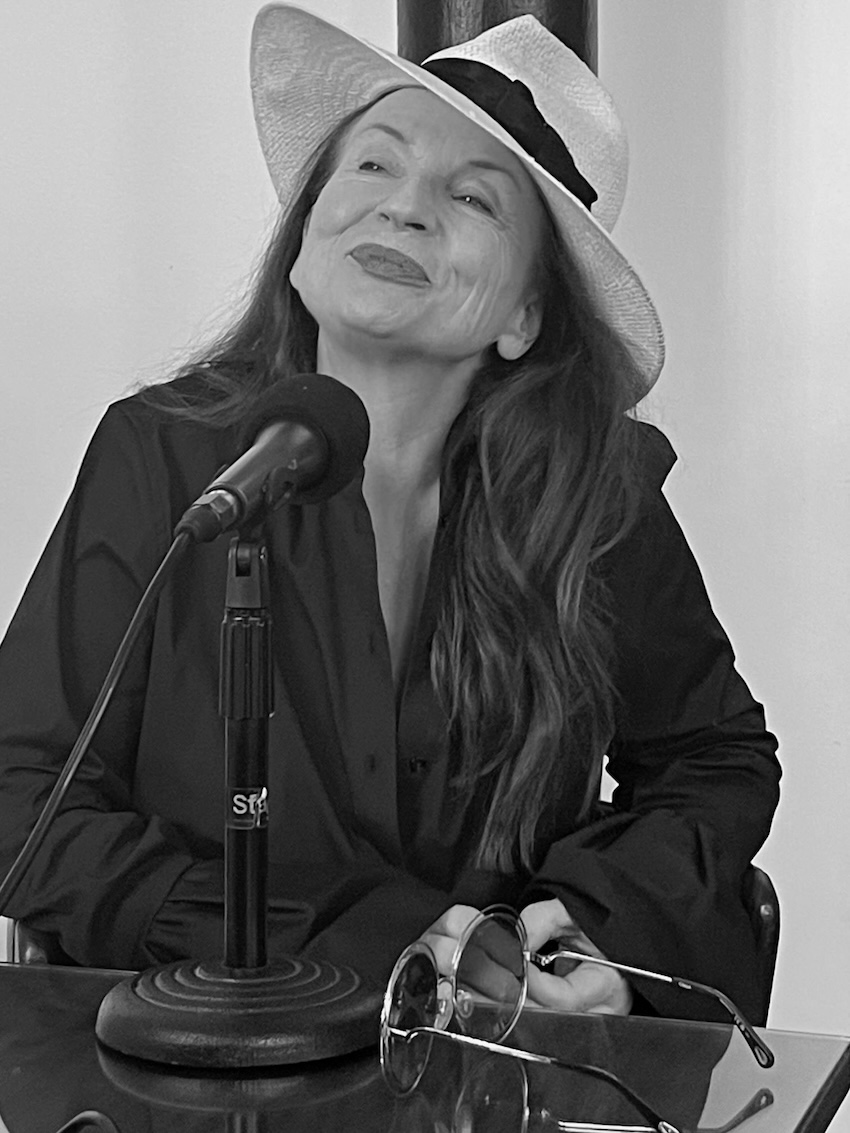
Next question, along those lines: you grew up surrounded by opera, classical music, jazz, and folk. If the young Judith could see you today on stage with Suit Yourself, what would she say? And your father?
Oh, my father would be so proud. He already was when he came to see me perform. He used to come when I was very young, when I was playing at Ronnie Scott’s Jazz Club in London. I was a teenager—I shouldn’t even have been allowed in! But they liked what I was doing, so they let me play.
It was an incredible experience. I’ve always said that I started “at the top”—with opera, with Ronnie Scott’s—and that life then brought me back down, with its trials, its pain, its losses. Like for everyone.
But thinking about it now, I believe I came into the world already as I am today. And my whole life has been a journey back to that child. I remember very clearly, at six years old, with headphones on, listening to Stevie Wonder, Aretha Franklin, Ella Fitzgerald, Nellie Lutcher, Joni Mitchell… And I would imagine myself on stage. I was the one singing, the one dancing. And the strangest thing is, I already looked like the person I am today. I’ve always worn menswear, always loved hats, always had this urge to dance. That little girl is still there. And she would say, “Thank you!”
Thank you, because I made it. Because in this profession, so many artists don’t, or they fall by the wayside. Because of the harshness of the industry, excess, age, sexism… And today, I’m thriving. I’ve become the person I wanted to be. It was my path. And now, I can finally “suit myself.” And we should all do that. Because life is short, fast…
Last question: you often reinterpret songs historically associated with male artists through a female perspective. Has that ever been criticized? And how did you respond?
Before my jazz journey, I made an album called Rediscovered, where I rearranged rock songs. I covered Smoke on the Water, Black Hole Sun, Hotline Bling… many very “male” songs, reimagined from a female perspective. And in several cases, the artists themselves reached out to me. Chris Cornell heard my version of Black Hole Sun and told me he loved it. Someone from Deep Purple also wrote to tell me how much they appreciated my take on Smoke on the Water. And Jim Peterik became a great supporter. So I love that.
I love when these artists understand what I’m doing. Because what I’m saying, at its core, is simple: a great song remains a great song. And it can be interpreted by anyone… The key is to respect these pieces and, above all, to make them your own. Your interpretation will inevitably be personal—feminine, in my case. It has to be.
You can’t imitate. You’ll never be as good as—or better than—the original. So you have to bring something else. Find a new light. It’s essential. That’s why I covered Hot Stuff by Donna Summer and turned it into a true bossa nova, something that makes you want to dance all around. It almost sounds like Brasil ’66, because that’s how I hear it.
So, after 15 albums and countless performances, what is the most surprising lesson Suit Yourself has taught you about yourself?
To be myself. Completely myself. Like many people, I grew up wanting to please everyone. And I still do that on stage. But the difference now is that I’ve understood something essential: if someone likes what I do, my music, great. Thank you. And if someone doesn’t… it’s not a problem.
I don’t need to be loved by everyone.
As a child, I needed to please, to make sure everything was okay around me—especially for my mother, who was very ill. That became the thread running through my life. My father is the reason I can sing. My mother is the reason I sing. And today, I understand that I don’t need to please everyone. I need to connect with people who understand me. And I think many of us have to learn that.
I noticed yesterday that many people in the audience had already seen you several times…
Yes, some come back three times—it’s incredible.
Final traditional question: Couleurs Jazz is about all the colors of jazz. What is your definition of jazz?
Joy. Joy, and… I love jazz that is rooted in the blues. I love Oscar Peterson, Ella Fitzgerald, Frank Sinatra, Billie Holiday… all those great artists.
But if I had to explain jazz to a five- or six-year-old: it’s joy. And freedom.
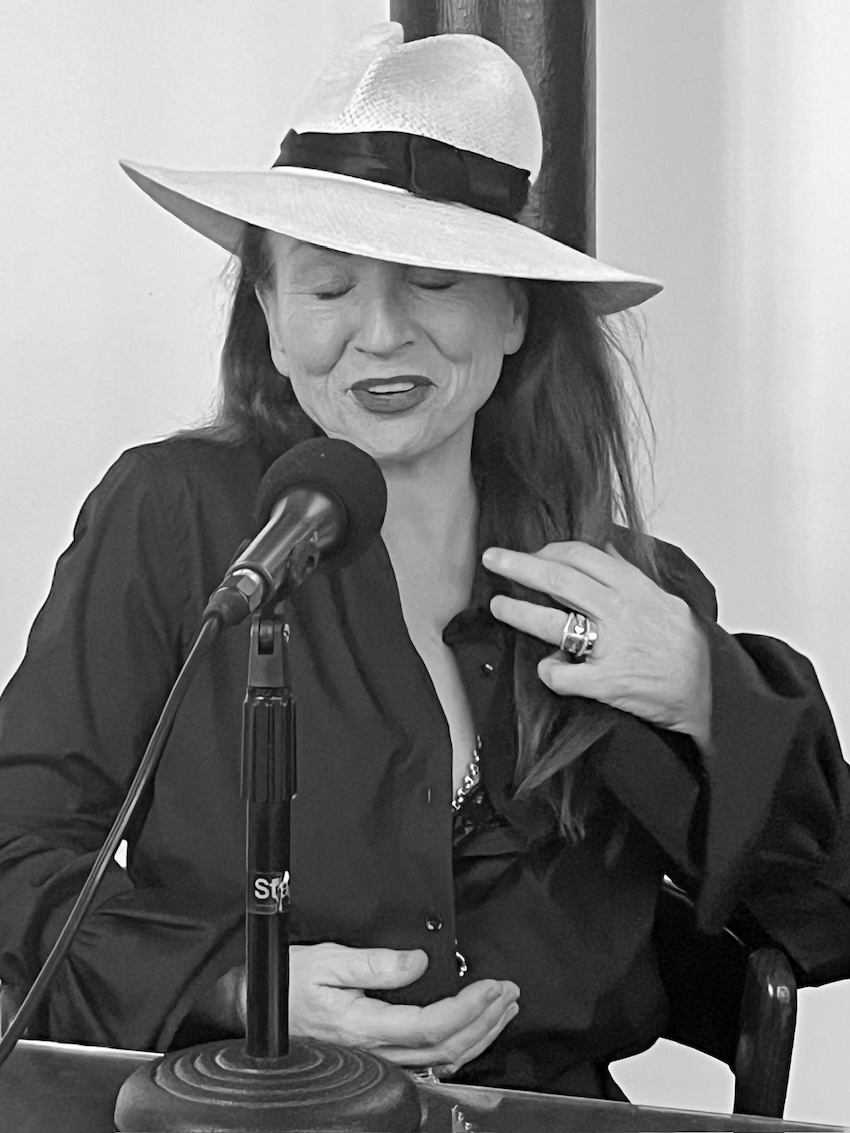
Quick-fire round: coffee or tea before a concert?
My musicians, they drink… 😄 But me, no. Well, I say that, but I do add a tiny splash of white wine or Prosecco to a big glass of sparkling water—and that’s enough! But before singing, never alcohol. Just water, vitamin water, a bit of lemon. I don’t drink tea, it dries out the voice. The most important thing is to do my vocal warm-ups, just as my father taught me. That’s what has saved my voice all these years.
A song that always makes you dance?
“I Wish” by Stevie Wonder. And also Art Blakey and the Jazz Messengers live… that swing! Every time, I’m in heaven.
If you could have dinner with a musician, past or present?
Oh… that’s a cruel question 😄
Alright, I’ll take three: I’d love to have dinner with Frank Sinatra… Nelson Riddle and Ella Fitzgerald. Can you make that happen?
Do you have a Ouija board? 😄 Let’s set it up…
One word to describe your piano playing?
I can’t say just one. I’d say: classical and gospel.
Yes, you really play the piano beautifully.
Thank you. It’s my first love.
What’s the first album you bought with your own money?
It was Songs in the Key of Life by Stevie Wonder.
And imagine my joy when I arrived in New Orleans and met John Fishback, the engineer on that album—he’s been my co-producer ever since. And you?
Come Together by The Beatles.
Ah! Great.
If you weren’t a musician, what would you be doing?
I’d be an actress. Obviously.
Which track from Suit Yourself would be your “superhero”?
Live, I’d say Since I Fell for You. It’s a deeply moving piece, one of the most beautiful ever written. I can pour my whole heart into it. But the real “superhero” is Inside Out.
And one incredible recording moment was Today I Sing the Blues with Devel Crawford. I’ve been a fan of his for a long time. He’s from New Orleans, with that church energy, almost like a preacher. His voice sits somewhere between Prince and Little Richard, and his organ playing is extraordinary. We sat down together at the piano and did a single take. Everything was live, in the moment. That’s the magic.
Favorite city to perform in?
The one I’m in. Right now.
So Paris?
Paris, of course 😄
Your first musical crush?
Oh… probably Dudley Moore. An incredible jazz pianist, even though he was mostly known as an actor. And very handsome too! But I fall in love with talent, not looks.
Last question: what did I forget to ask you?
Whether I like rugby? 😄
Yes, I know you love rugby, even if Wales recently lost…
Yes… I’m a bit frustrated at the moment 😄… But I love the Welsh spirit!
 Line Up:
Judith Owen / piano, vocals, compositions, arrangements.
The Gentlemen Callers/
David Torkanowsky / piano,
Kevin Louis / cornet & buggle,
Lex Warshawsky / doublebass,
Jamison Ross / drums,
David Blenkhorn / guitar
Ricardo Pascal / tenor saxophone
Suit Yourself, Hit Couleurs Jazz and Best of The Month, is produced by Judith Owen, the track « Inside Out » is a co-production Judith Owen & Jamison Ross. The album was recorded and masterised at New-Orleans at Palissade Studio by Misha Kachkachishvili and mixed by John Fischbach.
It as released on April 24, 2026.
©Photos interview Gaby Sanchez for Couleurs Jazz
©Photo Header Steve Repport










RECENT COMMENTS