
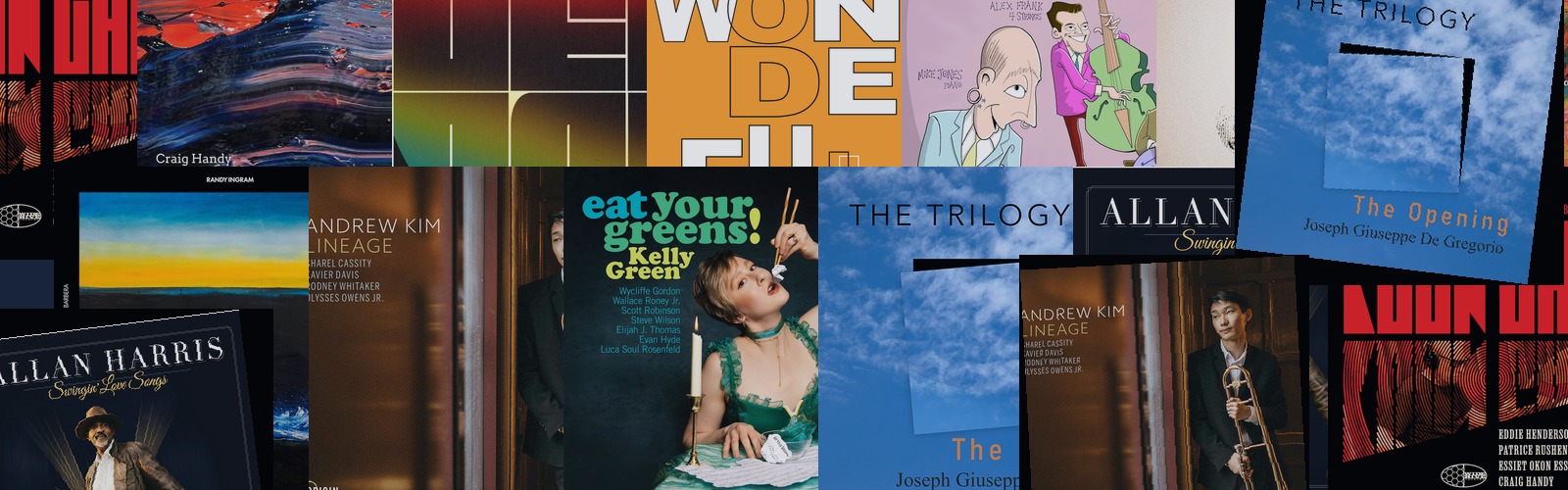


COULEURS JAZZ MONTH – THE BEST OF JUIN 2026
On COULEURS JAZZ RADIO
Paris time: Monday at 4:00 PM, Tuesday at 5:00 PM, Wednesday at 6:00 PM.
NYC time: Tuesday at 8:00 PM and Wednesday at 10:00 PM.
The 12 Best Albums — Couleurs Jazz Best Of Summer 2026
- Mike Clark – Kuon Ganjo – Time Without Beginning
- Conrad Herwig – The Latin Side of Chick Corea
- Elias Haslanger – Legacy
- Joshua Breakstone – Wonderful!
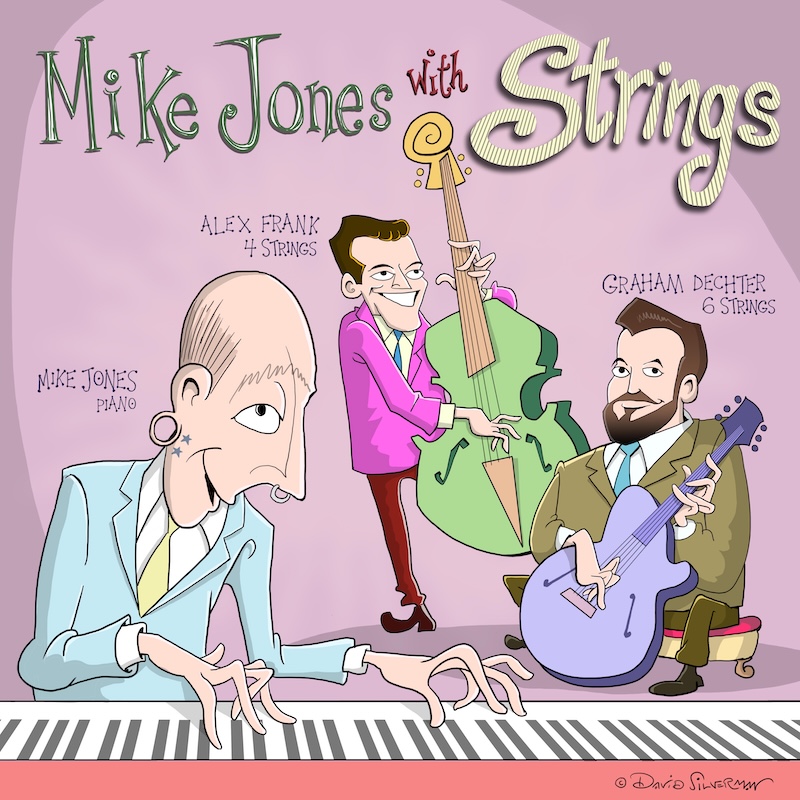
- Mike Jones – Mike Jones With Strings
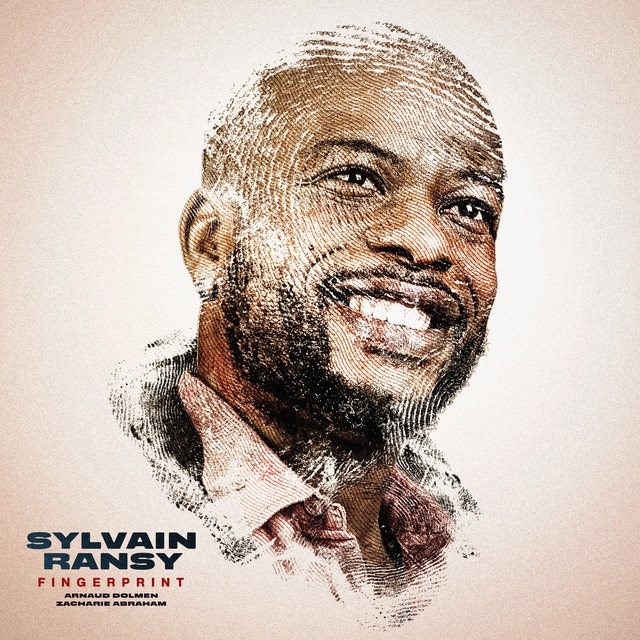
- Sylvain Ransy – Fingerprint
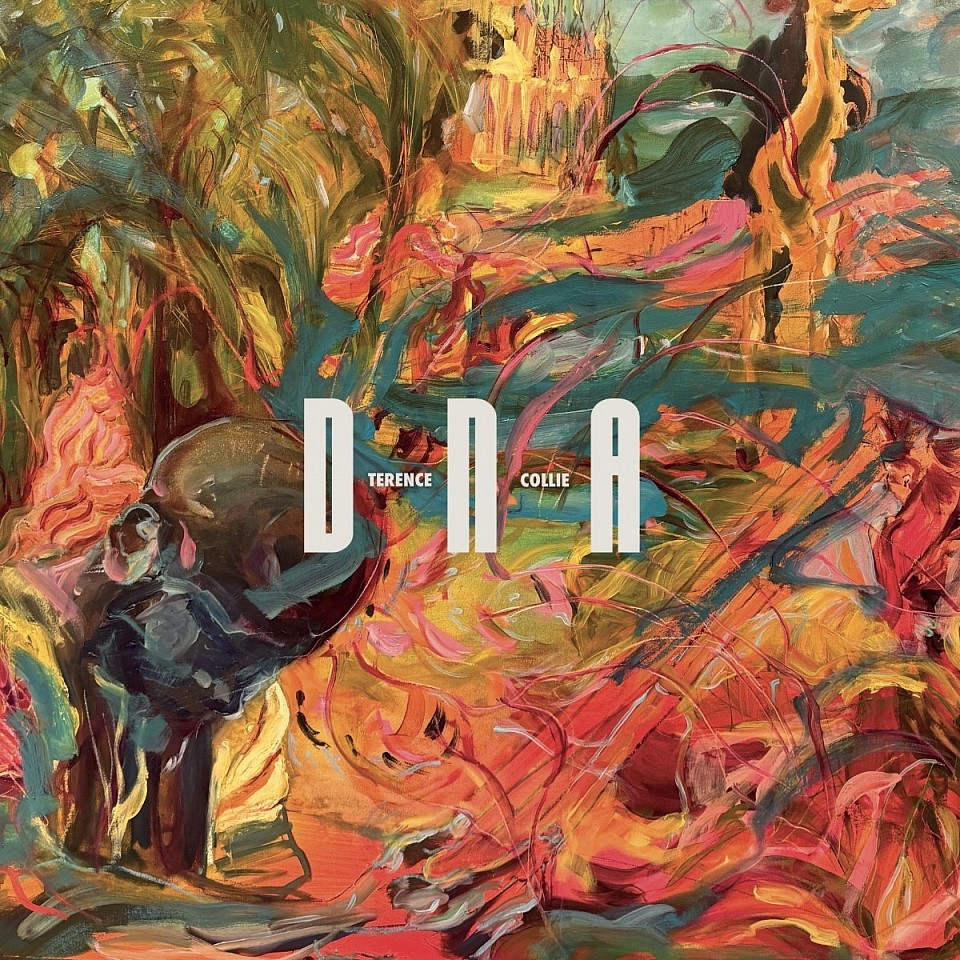
- Terence Collie – DNA
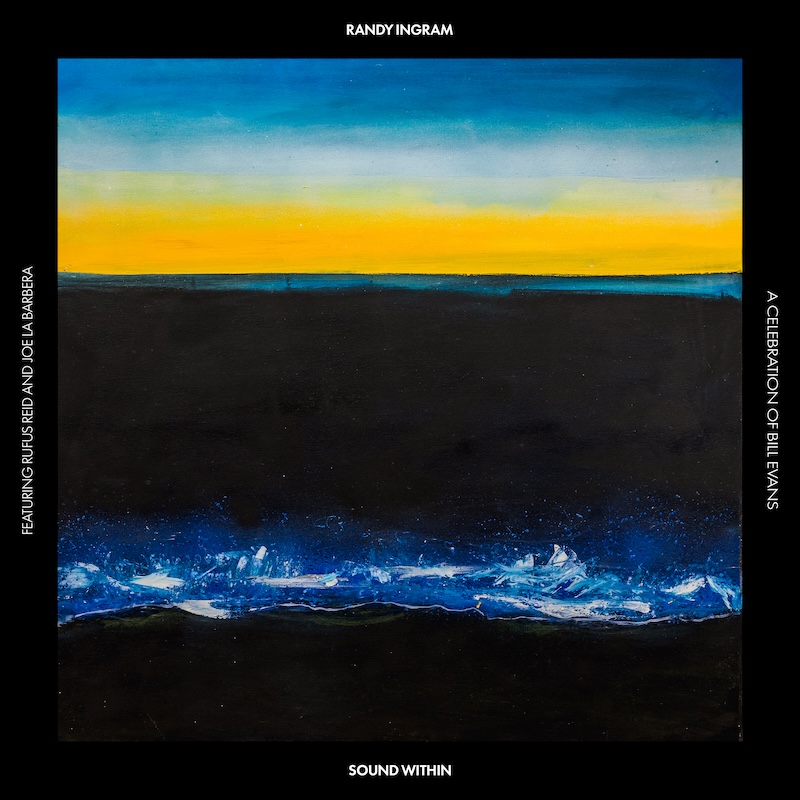
- Randy Ingram – Sound Within: A Celebration of Bill Evans
- Andrew Kim – Lineage
- Kelly Green – Eat Your Greens!
- Joseph Giuseppe De Gregorio – The Trilogy (The Opening)
- Allan Harris – Swingin’ Love Songs
Listen to Couleurs Jazz Radio on our app!
Google Play · iOS App Store
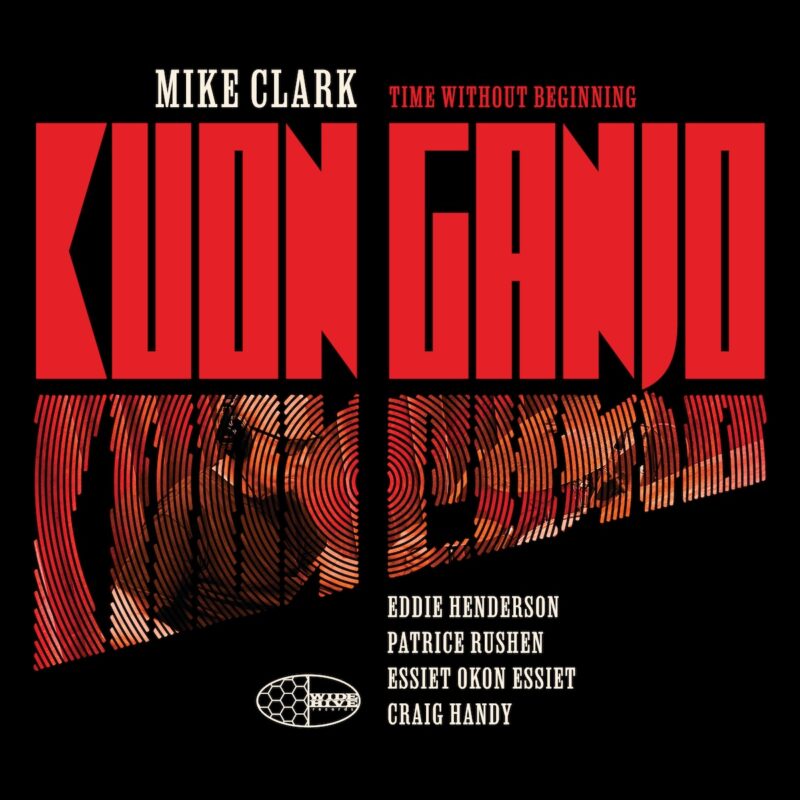
MIKE CLARK — Kuon Ganjo – Time Without Beginning
Album Hit Couleurs Jazz
Line-up: Mike Clark: drums · Eddie Henderson: trumpet · Craig Handy: saxophone · Patrice Rushen: piano, Rhodes · Essiet Okon Essiet: bass
Label: Wide Hive Records
Release: August 7, 2026
More than fifty years after the Headhunters, Mike Clark remains a drummer who simply cannot be reduced to his place in jazz-funk history. Kuon Ganjo – Time Without Beginning makes that abundantly clear. Swing and acoustic jazz are very much at the heart of the album, but there is nothing nostalgic about it. Clark has surrounded himself with four musicians who hardly need an introduction: Eddie Henderson on trumpet, Craig Handy on saxophone, Patrice Rushen on piano and Rhodes, and Essiet Okon Essiet on bass.
The repertoire reaches back to Sonny Rollins, Herbie Hancock, Thelonious Monk and Wayne Shorter, yet it is the way this quintet handles the material that gives the record its personality. Clark’s drumming is constantly present without ever becoming intrusive: precise, restless and occasionally unpredictable, always pushing the other musicians to respond. Henderson retains that instantly recognizable lyrical sound, Handy brings a rougher edge, while Rushen once again reminds us how remarkable a jazz pianist she is beyond the funk and R&B for which she is so widely known.
Then there is the title track itself. Inspired by the Buddhist idea of “time without beginning,” Kuon Ganjo opens another door, moving towards collective improvisation and a much freer conception of time.
That may ultimately be what we enjoy most about this album: five musicians carrying an extraordinary amount of history without ever sounding as though they are commemorating it. The past is certainly present, but the music belongs entirely to the here and now.
Full review by Thierry Quénum: Read more on Couleurs Jazz
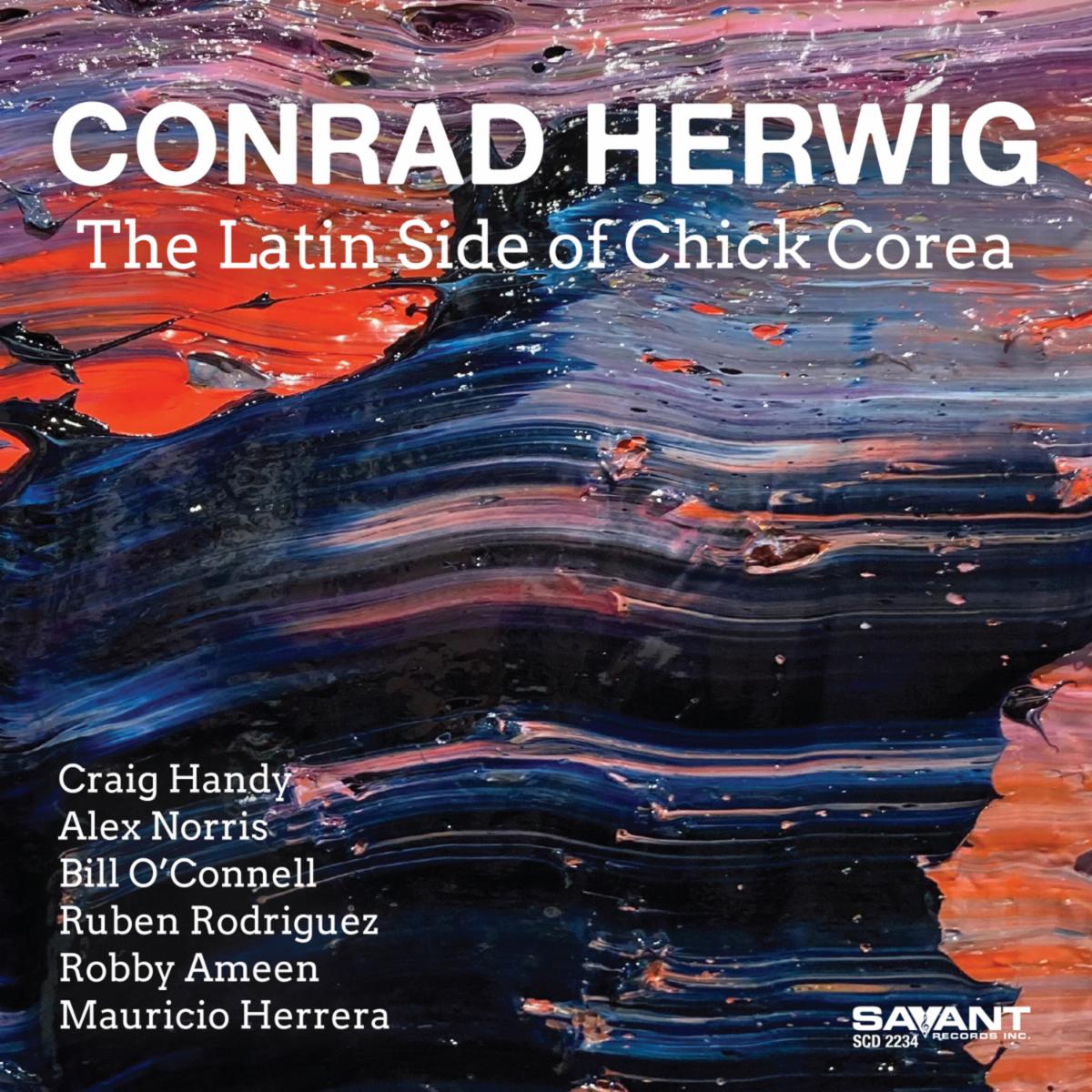
CONRAD HERWIG — The Latin Side of Chick Corea
Album Hit Couleurs Jazz
Line-up: Conrad Herwig: trombone · Craig Handy: saxophone · Alex Norris: trumpet · Bill O’Connell: piano · Ruben Rodriguez: bass · Robby Ameen: drums · Mauricio Herrera: percussion
Label: Savant Records
Release: July 3, 2026
It has been thirty years since Conrad Herwig first began looking at the work of major jazz composers from the other side of the clave. After John Coltrane, Miles Davis, Charles Mingus, Joe Henderson, Horace Silver and McCoy Tyner, the trombonist now turns his attention to Chick Corea. It is an inspired choice: Latin and Afro-Caribbean rhythms were already deeply embedded in Corea’s musical language, making this repertoire particularly fertile ground for Herwig’s approach.
Working once again with pianist and co-arranger Bill O’Connell, Herwig draws from some of Corea’s best-known compositions, including Matrix, 500 Miles High, Tones for Joan’s Bones, Windows, Crystal Silence and, inevitably, Spain. The pleasure lies in recognizing these melodies while rarely feeling that we are simply hearing them one more time. The clave changes their balance, the percussion shifts the accents and familiar themes suddenly acquire a different momentum.
For this, Herwig has assembled a formidable band with Craig Handy, Alex Norris, Bill O’Connell, Ruben Rodriguez, Robby Ameen and Mauricio Herrera. There is plenty of power and virtuosity, but also genuine collective intelligence.
Most importantly, The Latin Side of Chick Corea avoids the great danger of the tribute album: becoming so respectful that nothing unexpected can happen. Herwig does not place Corea’s music behind glass. He puts it back into circulation, shakes it up and makes it dance. That feels like a particularly fitting way to celebrate a composer whose own music was built on curiosity, movement and openness.
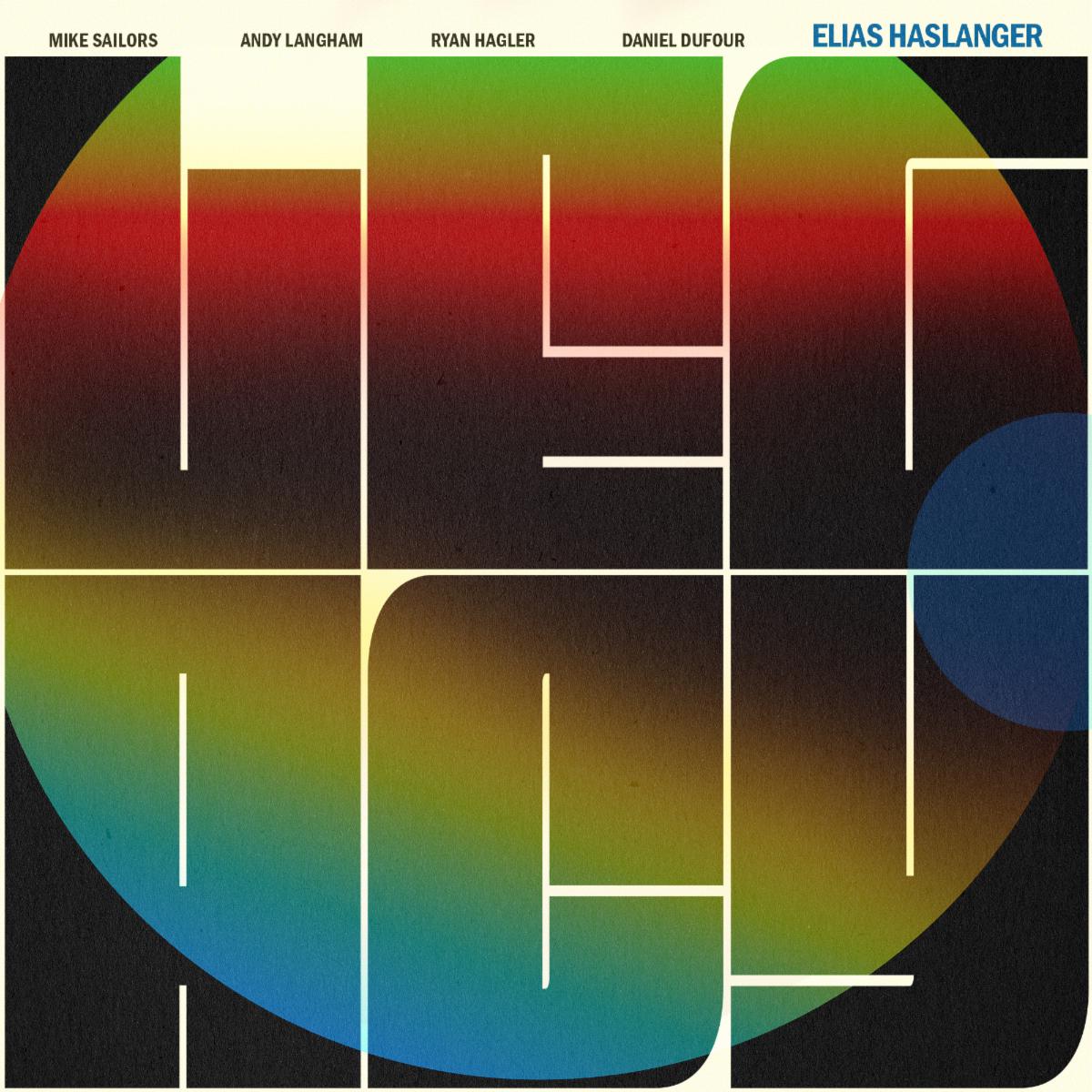
ELIAS HASLANGER — Legacy
Album Hit Couleurs Jazz ·
Line-up: Elias Haslanger: saxophone · Mike Sailors: trumpet · Andy Langham: piano · Ross Margitza: piano · Ryan Hagler: bass · Daniel Dufour: drums
Label: Bandstand Presents / La Reserve Records
Release: July 24, 2026
Calling an album Legacy might suggest a long look in the rear-view mirror. Elias Haslanger takes almost the opposite approach. For his ninth recording as a leader, the Austin-based tenor saxophonist uses ten original compositions to reflect on what he received from his mentors, but also on family, New York, Austin and more than twenty-five years spent building his own life as a musician. Ellis Marsalis, Maynard Ferguson and James Polk are among the figures who left their mark on that journey.
Fortunately, this personal dimension never turns Legacy into a collection of musical memories. The title track can move naturally from hard bop into Afro-Cuban territory, while Gentle Giant allows a little of Wayne Shorter’s spirit to hover in the background. Elsewhere, pieces such as Faith in Family, Going Home, Swinging at Monks and A View of the City suggest different moments in Haslanger’s story without requiring the listener to know the details behind every composition.
Mike Sailors on trumpet, Andy Langham and Ross Margitza on piano, Ryan Hagler on bass and Daniel Dufour on drums know this music — and its leader — well enough not to overstate its intentions. That familiarity gives the album plenty of ease, swing and breathing room.
This is where Legacy becomes particularly convincing. Haslanger fully embraces the jazz tradition without treating it as something that must be reproduced. The inheritance matters, but so does what a musician chooses to do with it. This is music about transmission, certainly — but very much music of the present.
JOSHUA BREAKSTONE — Wonderful!

Album Hit Couleurs Jazz
Line-up: Joshua Breakstone: guitar · Barry Harris: piano · Earl Sauls: bass · Leroy Williams: drums
Label: Capri Records
Release: August 2026
Sometimes a reissue does more than bring a forgotten album back into circulation: it suddenly sheds new light on a particular moment in a musician’s development. That is exactly what happens with Wonderful!. When Joshua Breakstone entered the studio in 1983 to record his first album as a leader, he was only 27. The musicians around him, however, brought considerable experience: Barry Harris on piano, Earl Sauls on bass and Leroy Williams on drums. In other words, three musicians in whose company there was very little room to hide.
What is striking today is just how assured the young guitarist already sounds. Breakstone never tries to impress through an avalanche of notes or dominate the quartet. His playing is clear, articulate and deeply rooted in swing, with the elegance that would become one of his trademarks. And in Barry Harris, he could hardly have found a better partner: Harris’s piano constantly reconnects the music with the bebop tradition he understood so intimately.
The repertoire is equally revealing. George Gershwin, Tadd Dameron, Lennie Tristano and Django Reinhardt sit alongside Breakstone’s own early compositions. Several generations and different approaches to jazz meet here without the album ever sounding like a catalogue of influences.
Unavailable for nearly forty years, Wonderful! has finally been given a second life. What could have been merely an interesting document of a guitarist’s beginnings turns out to be something much simpler — and better: an excellent jazz record, direct, elegant and remarkably fresh.
MIKE JONES — Mike Jones With Strings
Album Hit Couleurs Jazz
Line-up: Mike Jones: piano · Graham Dechter: guitar · Alex Frank: bass
Label: Capri Records
Release: August 2026
The title might be slightly misleading. The “strings” on Mike Jones With Strings do not belong to an orchestra: they are the strings of Graham Dechter’s guitar and Alex Frank’s bass. Together with Mike Jones at the piano, they revive the drummerless trio format pioneered by Nat King Cole and later famously explored by Oscar Peterson — a configuration in which there is nowhere for the rhythm to hide.
That is precisely what makes the album so enjoyable. Recorded live at Vic’s in Las Vegas, it relies entirely on the internal pulse shared by these three musicians. Jones certainly has enough technique to fill every available space, but wisely chooses not to. Dechter operates as a genuine melodic partner, while Frank does far more than provide the foundation: his bass is an active part of the trio’s rhythmic conversation. The absence of drums creates space rather than emptiness.
The material is deliberately familiar: Lady Be Good, Gone With the Wind, Autumn Leaves, Kelly’s Blues, Destination Moon, The Very Thought of You and Exactly Like You all appear. There is no attempt to dismantle the Great American Songbook in the name of modernity. Everything happens instead through touch, articulation, rhythmic interplay and the ability to make songs we may have heard hundreds of times breathe again.
Old-fashioned formula? Perhaps. But when three musicians communicate this well and swing this hard, novelty becomes a rather secondary consideration. Mike Jones With Strings reminds us of something beautifully simple: making a trio swing without a drummer remains quite an art.
SYLVAIN RANSY — Fingerprint
Album Hit Couleurs Jazz
Line-up: Sylvain Ransy: piano · Zacharie Abraham: bass · Arnaud Dolmen: drums · Nicolas Attie: guitar · Sylvain Joseph: saxophone · Joachim Des Ormeaux: percussion · Béatrice Civaton: vocals
Label: Independent
Release: May 15, 2026
Better late than never! Fingerprint was released just before the summer and, although the album reached us a little later than some of our fellow journalists, leaving it out of our Best Of Summer selection would have been a mistake. Consider that mistake corrected!
Because Sylvain Ransy has developed a pianistic voice that is becoming increasingly easy to recognize. Born in Guadeloupe and drawing inspiration from musicians such as Alain Jean-Marie, Mario Canonge and Michel Petrucciani, he never approaches Caribbean rhythms as something to be added on top of jazz. In his music, the two languages already belong together. That is precisely what gives Fingerprint its coherence — and makes its title particularly appropriate.
At the heart of the album is his trio with Zacharie Abraham on bass and Arnaud Dolmen on drums. It is quite a trio. Dolmen’s extraordinary rhythmic precision allows complex patterns to breathe without ever becoming heavy, while Ransy’s melodic approach finds an ideal partner in Abraham’s solid yet highly mobile bass.
But Fingerprint is about more than the quality of its individual players. What makes it so appealing is the natural way Ransy allows his Guadeloupean identity to inhabit the music without underlining it at every turn. Jazz, Caribbean rhythms, melody and improvisation circulate freely within the same language.
The result is warm, personal and full of movement — a record with a genuine identity of its own. And yes, it may have arrived a little late for us, but certainly not too late to earn its place in our summer selection.
TERENCE COLLIE — DNA
Album Hit Couleurs Jazz ·
Line-up: Terence Collie: piano · Nick Lenner-Webster: bass · Ted Carrasco: drums · Cosimo Keita Cadore: percussion · Ruth Elder: violin · Clare Kennington: viola · Jocasta Mudge: cello
Label: Independent
Release: August 21, 2026
The title alone makes it clear that this is a deeply personal project. On DNA, Terence Collie traces his family history back to the Seychelles and turns questions of heritage, migration and belonging into musical material. Yet the pianist wisely avoids making an album that requires a detailed knowledge of his family story in order to be understood. DNA works first and foremost through melody, rhythm and the way its expanded instrumentation transforms the sound of the piano trio.
At its core are Nick Lenner-Webster on double bass and Ted Carrasco on drums, joined by Cosimo Keita Cadore on percussion. The addition of Ruth Elder on violin, Clare Kennington on viola and Jocasta Mudge on cello considerably broadens the palette. These strings are not simply there to provide an elegant backdrop: they are fully integrated into the compositions, sharing melodic lines, creating tension and sometimes changing the character of a piece altogether.
Rhythm is equally important. Afro-diasporic influences and the sounds of the Seychelles feed naturally into Collie’s contemporary jazz vocabulary. On Harbour View, for example, a traditional Sega rhythm meets the twelve-bar blues, while elsewhere shifting metres and percussion create a constant sense of movement.
That may be the album’s greatest achievement. Terence Collie begins with an intensely private story but never asks us merely to listen to his memories. Instead, he transforms them into something broader — music about where we come from, what we inherit and what we choose to make of it. Ambitious, sensitive and beautifully constructed, DNA feels like one of his most complete statements to date.
RANDY INGRAM — Sound Within: A Celebration of Bill Evans
Album Hit Couleurs Jazz ·
Line-up: Randy Ingram: piano · Rufus Reid: bass · Joe La Barbera: drums
Label: Chill Tone Records
Release: July 10, 2026
How do you devote an entire album to Bill Evans when his language has already been studied, imitated and celebrated by generations of pianists? Randy Ingram comes up with a rather intelligent answer: do not try to play like Bill Evans. Sound Within is less interested in reproducing the outward characteristics of Evans’s style than in exploring what lay beneath them — touch, listening, space and the search for a genuinely personal sound.
The rhythm section gives the project an extraordinary connection to that history. Joe La Barbera was the drummer in Evans’s final trio, while Rufus Reid played briefly with the pianist in 1978. Their presence could easily have turned the album into an exercise in historical legitimacy. Instead, they behave exactly as great jazz musicians should: listening, reacting and making the music happen in the present.
The programme combines pieces closely associated with Evans — Turn Out the Stars, My Foolish Heart, Ezz-Thetic, Letter to Evan, For All We Know and Mother of Earl — with Ingram’s own Aloft, Sound Within and Remembrance. Familiar material is given enough rhythmic and harmonic freedom to prevent the record from becoming a collection of respectful recreations.
And that is precisely why the tribute works. Ingram understands that honouring Bill Evans does not mean reproducing his vocabulary. It means taking seriously one of the ideas at the heart of Evans’s music: finding a sound of your own. With Reid and La Barbera, he has made a beautiful trio record that acknowledges the past without allowing it to dictate every note.
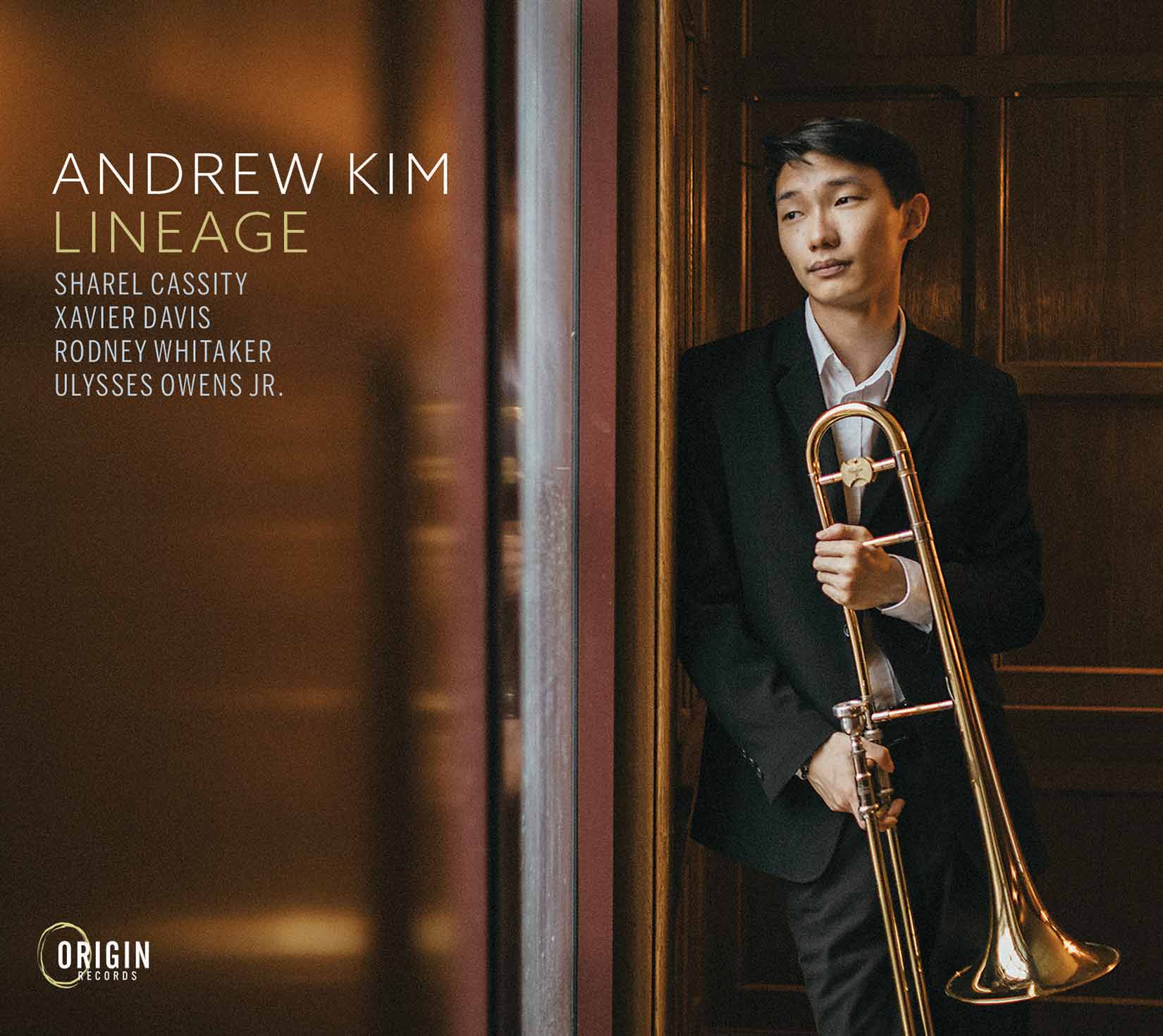
ANDREW KIM — Lineage
Album Hit Couleurs Jazz ·
Line-up: Andrew Kim: trombone · Sharel Cassity: saxophone · Xavier Davis: piano · Rodney Whitaker: bass · Ulysses Owens Jr.: drums · Randy Napoleon: guitar · Michael Dease: saxophone · Steven Bowman: bass
Label: Origin Records
Release: July 24, 2026
From the opening moments of Lineage, one thing becomes clear: Andrew Kim has no intention of treating the trombone as an instrument that needs to be pushed artificially to the front. He thinks first as a composer and bandleader. For a debut album, he has also assembled quite a group: Sharel Cassity on saxophone and flute, Xavier Davis on piano, Rodney Whitaker on bass and Ulysses Owens Jr. on drums. Michael Dease, an important mentor in Kim’s development, produces the record and also makes an appearance.
The title naturally points towards the jazz tradition that shaped Kim. The music of J.J. Johnson and Curtis Fuller is acknowledged in the repertoire, and the history of jazz trombone is never far away. Yet Lineage does not feel like a young musician presenting his credentials or demonstrating how thoroughly he has studied the masters. Most of the programme consists of Kim’s own compositions, and his attention to melody, form and dynamics already gives the album a distinct character.
The quintet is a major reason why it works so well. Cassity provides an ideal counterweight to the trombone, while Whitaker and Owens Jr. can push the music forward with considerable force before immediately opening up the space again. Xavier Davis, meanwhile, gives the arrangements room to breathe.
For a first album, Lineage is ultimately impressive less because of the virtuosity involved — although there is plenty of it — than because of its collective maturity. Andrew Kim already understands that leading a band does not require occupying the foreground at every moment. Give great musicians strong material, establish a direction and then let them play. As beginnings go, this is a very promising one.
KELLY GREEN — Eat Your Greens!

Album Hit Couleurs Jazz ·
Line-up: Kelly Green: piano, vocals · Luca Soul Rosenfeld: bass · Evan Hyde: drums · Elijah J. Thomas: flute · Wallace Roney Jr.: trumpet · Wycliffe Gordon: trombone, vocals · Scott Robinson: saxophone · Steve Wilson: saxophone
Label: Green Soul Studios / La Reserve Records
Release: August 28, 2026
Behind the playful title Eat Your Greens! lies an album that captures much of what makes Kelly Green such an engaging artist. Pianist, vocalist, composer and arranger, she treats all of these roles as parts of the same musical personality. Her knowledge of the jazz tradition is considerable, but it never prevents her from having fun with it. A standard, in Green’s hands, is not something to be handled with excessive reverence: it can be rearranged, reharmonized, stretched, turned around or simply told from a different perspective.
Her piano and voice naturally remain at the centre, with Luca Soul Rosenfeld on bass and Evan Hyde on drums providing the foundation. But Eat Your Greens! also feels like an extended musical gathering, with Scott Robinson, Wycliffe Gordon, Wallace Roney Jr., Steve Wilson and Elijah J. Thomas adding very distinct personalities to the arrangements. These guests are not there simply to take a solo and leave; their presence changes the shape and colour of the music.
The programme gives Green plenty of room to show different sides of herself. She tackles the intricacies of Mulgrew Miller’s Tongue Twister, moves into the intimacy of The Very Thought of You, and shares a wonderfully spirited When You’re Smilin’ with Wycliffe Gordon. The title itself carries a deeper meaning too: for Green, “eating your greens” is about remaining a student, continuing to listen and accepting that becoming a better musician is a lifelong process.
There is plenty of sophistication here, but never at the expense of pleasure. Eat Your Greens! is smart without becoming cerebral, technically accomplished without showing off, and unpredictable enough to keep us smiling. And yes, for once, we will happily eat our greens.
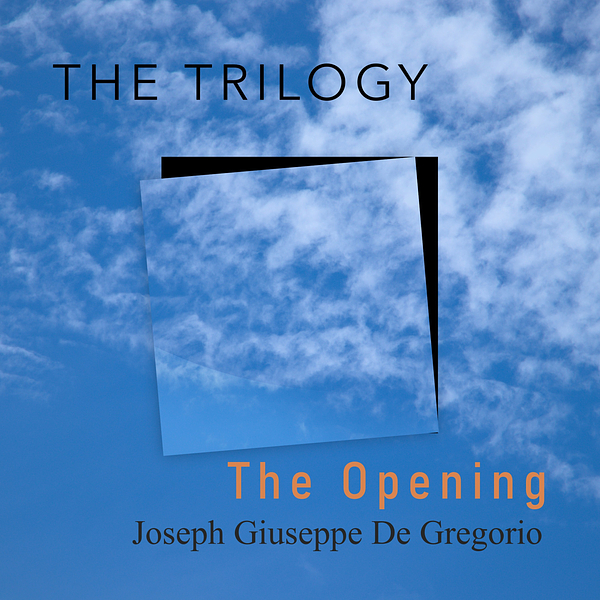
JOSEPH GIUSEPPE DE GREGORIO — The Trilogy (The Opening)
Album Hit Couleurs Jazz ·
Line-up: Joseph Giuseppe De Gregorio: piano · Ron Carter: bass · Peter Erskine: drums · Ike Sturm: bass · Géraldine Laurent: saxophone · Louis Moutin: drums · Stéphane Kerecki: bass · Karine Fôret: vocals
Label: Self-released
Release: August 14, 2026
There is certainly no lack of ambition in a project conceived across New York, Los Angeles and Paris, with three musical capitals forming different chapters of the same story. Joseph Giuseppe De Gregorio introduces that larger project with The Trilogy (The Opening), an eleven-track selection that already reveals a pianist far more interested in atmosphere, space and conversation than in displays of technical force.
The cast inevitably attracts attention. Ron Carter and Peter Erskine appear together on New Orleans Blues and Blues Italiano, while Ike Sturm joins Erskine elsewhere. The European side of the project brings in musicians including Géraldine Laurent, Louis Moutin and Stéphane Kerecki. Yet the album never feels like a collection of prestigious guest appearances. De Gregorio leaves enough room around the music for each encounter to develop its own character.
The repertoire itself travels freely. Someday My Prince Will Come and Georgia on My Mind coexist with Volare, You Must Believe in Spring, Yesterday, Eu Sei Que Vou Te Amar and original material. That variety could easily have produced a scattered album, but De Gregorio’s restrained approach gives the programme continuity. Blues remains an important thread, while European lyricism and occasional vocals add another dimension to his musical identity.
The Trilogy (The Opening) is not a record in a hurry. It gradually establishes its atmosphere and allows the personalities involved to emerge without forcing them into the foreground. Elegant, intimate and often contemplative, it does exactly what an opening chapter should do: it makes us curious about where Joseph Giuseppe De Gregorio intends to take the story next.
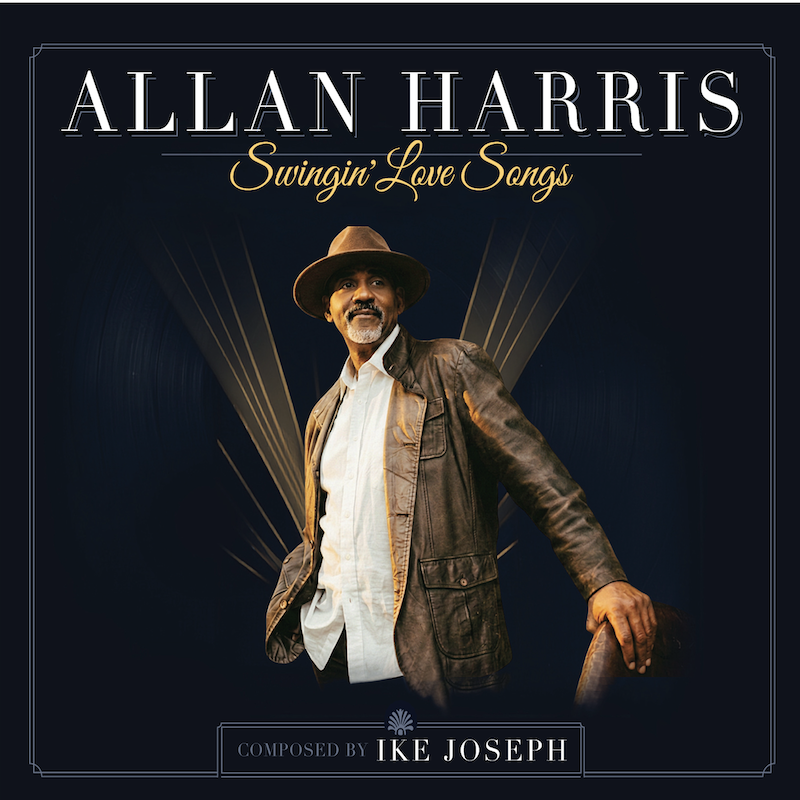
ALLAN HARRIS — Swingin’ Love Songs
Album Hit Couleurs Jazz ·
Line-up: Allan Harris: vocals, guitar · Miles Okazaki: guitar · Hayes Greenfield: saxophone · Jon Flaugher: bass · Russell Farhang: violin · Jesse Jones Jr.: saxophone
Label: Love Productions Records
Release: August 28, 2026
Here is an album that could very easily have never reached us. Swingin’ Love Songs was recorded more than twenty years ago after Allan Harris was introduced, through producer and orchestrator Eddie Montilla, to the songs of Ike Joseph. Harris immediately connected with the material, sessions followed, and then Joseph passed away. The project was put aside and the recordings remained unheard for more than two decades before the masters were finally rediscovered.
Listening to them today, the most surprising thing is how little that history matters once the music begins. Allan Harris is exactly where we like to hear him: inside a song, telling its story rather than merely singing its melody. His voice has warmth, ease and an instinctive sense of swing, but also that essential ability to make a lyric sound conversational. Romantic material can become overly sentimental very quickly; Harris knows exactly how far to go without crossing that line.
Songs such as How Wrong They Were, I’m Hooked On You, When You’re Young and In Love and Any Moment Now belong unmistakably to the tradition of the Great American Songbook without simply trying to recreate another era. The melodies are immediate, the writing values storytelling, and Harris approaches them with the relaxed authority of a singer who has spent a lifetime understanding how words and rhythm can work together.
That is ultimately the lovely paradox of Swingin’ Love Songs. We are discovering in 2026 music recorded more than twenty years ago, written by a songwriter who never had the opportunity to see the project finally released, yet it never feels like an archival curiosity. It is simply warm, romantic, beautifully swinging vocal jazz.
And after such a long wait, Ike Joseph’s songs finally have what they were missing: an audience.
© Couleurs Jazz Radio – All rights reserved. Editorial selection by the Couleurs Jazz editorial team.












RECENT COMMENTS