

[COULEURS JAZZ MONTH – THE BEST OF!]
On COULEURS JAZZ RADIO – www.couleursjazzradio.fr:
Paris-time: Monday 04:00pm, Wednesday 05:00pm, Thursday 06:00pm.
NYC time :at 08:00PM Tuesday and 10:00 PM Wednesday
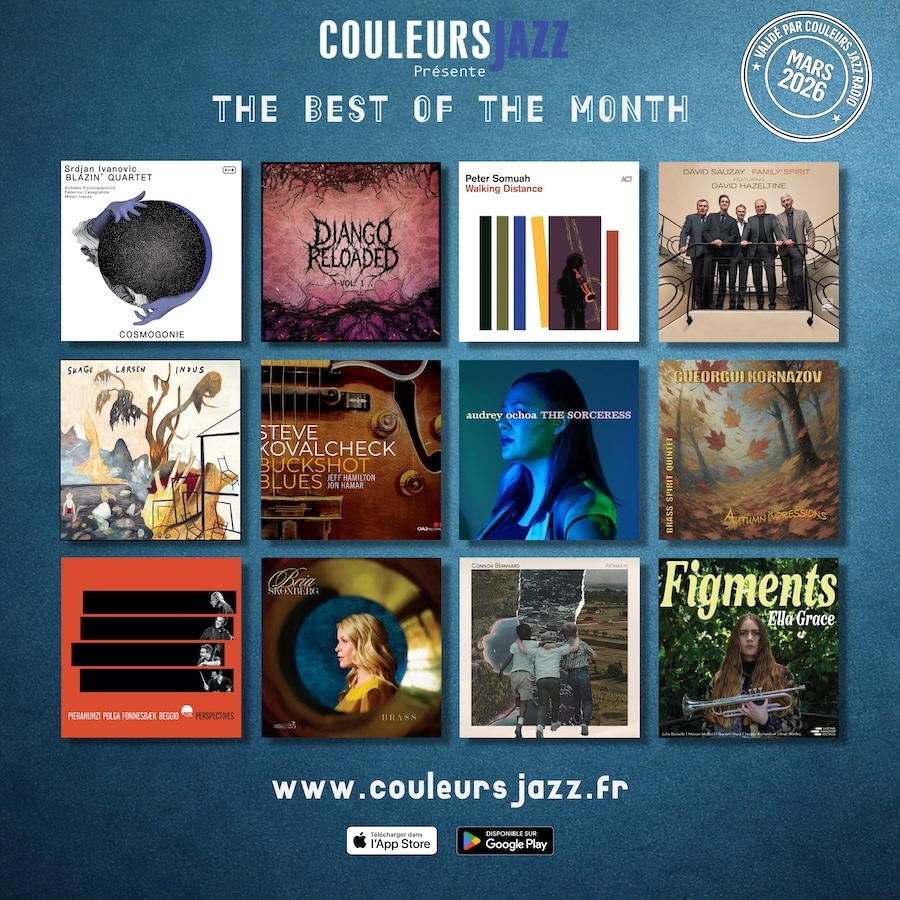
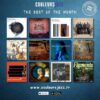
12 Best albums releases of last month: March 2026, so:
Chantez sous l’appli !
Apps Couleurs Jazz Radio GooglePlay : https://bit.ly/CJRGooglePlay
Apps Couleurs Jazz Radio iOS Appstore : https://bit.ly/CJRAppstore
With :
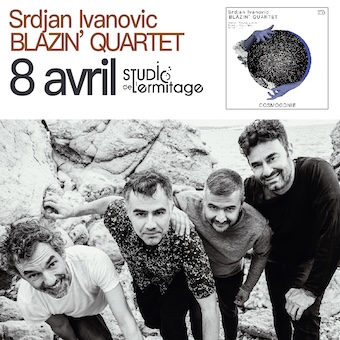
- Srdjan Ivanovic & Blazin’ Quartet Feat. Andreas Polyzogopoulos, Federico Casagrande & Mihail Ivanov for “Cosmogonie“
- Yoann Kempst & Benjamin Blackstone for “Django Reloaded”
- Peter Somuah for “Walking Distance”
- David Sauzay, David Hazeltine, Fabien Mary, Paolo Benedettini, Xaver Hellmeier for “Family Spirit”
- Skage Larsen for “Indus”
- Steve Kovalcheck for “Buckshot Blues”
- Audrey Ochoa for “The Sorceress”
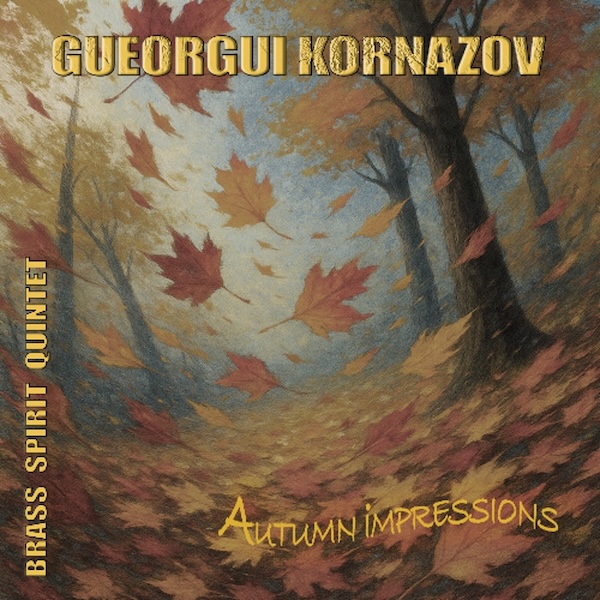
- Gueorgui Kornazov, Quentin Ghomary, Didier Ithursarry , Lucas Dassaint, Eric Echampard for “Autumn Impressions”
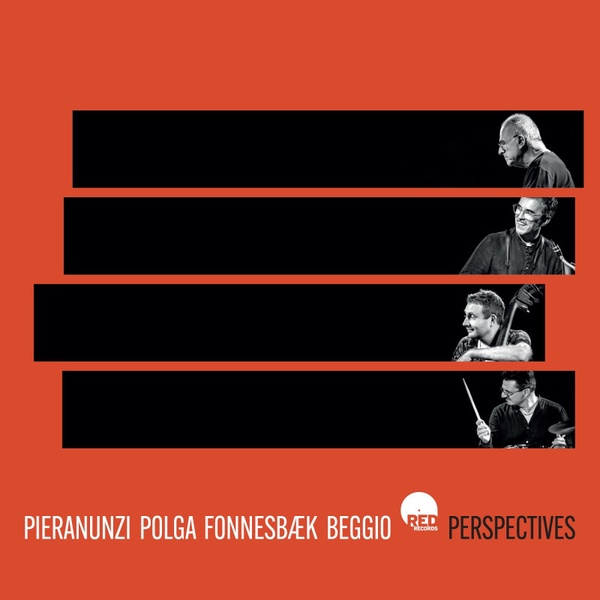
- Enrico Pieranunzi, Polga, Fonnesbæk, Beggio for “ Perspectives”
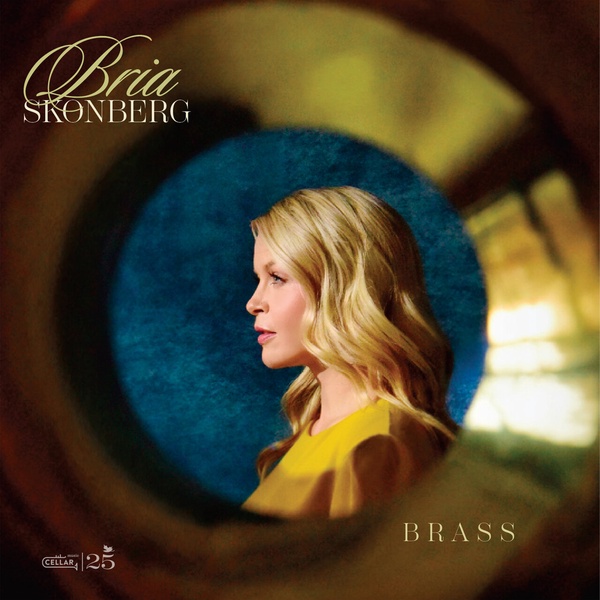
- Bria Skonberg for “Brass”
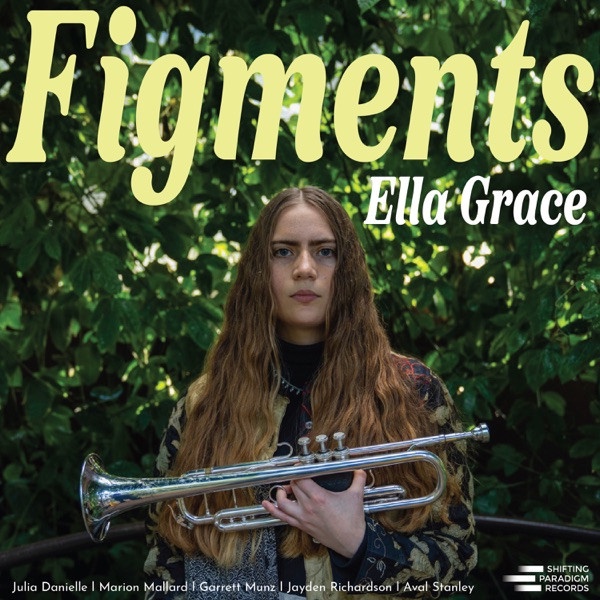
- Ella Grace, Garrett Munz, Aval Stanley, Marion Mallard, Jayden Richardson for “Figments”
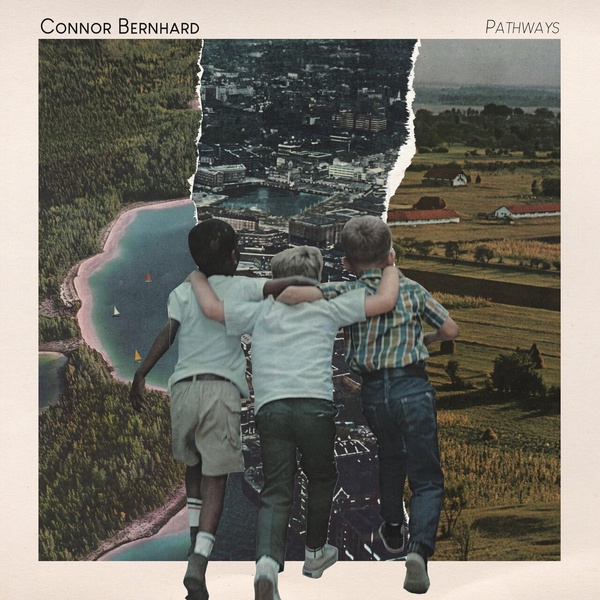
- Connor Bernhard for “Pathways”
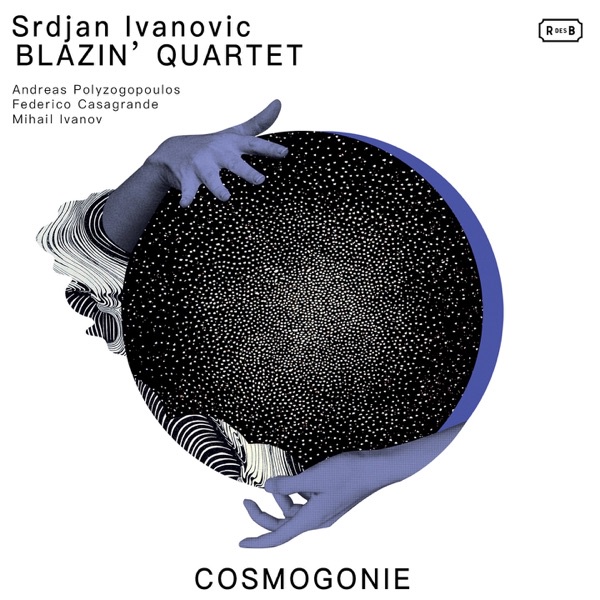
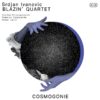
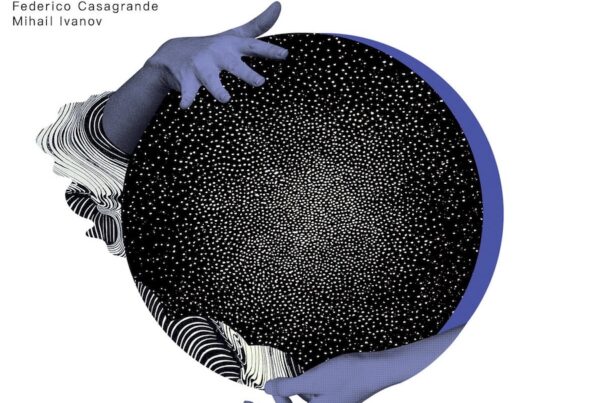
Srdjan Ivanovic & Blazin’ Quartet – Cosmogonie
Feat. Andreas Polyzogopoulos, Federico Casagrande & Mihail Ivanov.
Following the excellent *Modular* (a septet album reviewed here two years ago), drummer Srdjan Ivanovic—originally from Sarajevo and based in France for the past few years—returns to his Blazing Quartet, featuring a distinctly international lineup: a Greek trumpeter, an Italian guitarist, and a Bulgarian double bassist.
This speaks to the leader’s strong European roots, and his music is rich with Balkan and Mediterranean influences. The two melodic voices—the guitar and the trumpet—each possess a distinctive and highly personal tone. Federico Casagrande is well known in France, where he settled some time ago, and his sound and phrasing—partly inherited from Bill Frisell—have made him a highly sought-after sideman in France, in addition to his performances in his native Italy.
Read the following of the paper by Thierry Quenum, here.
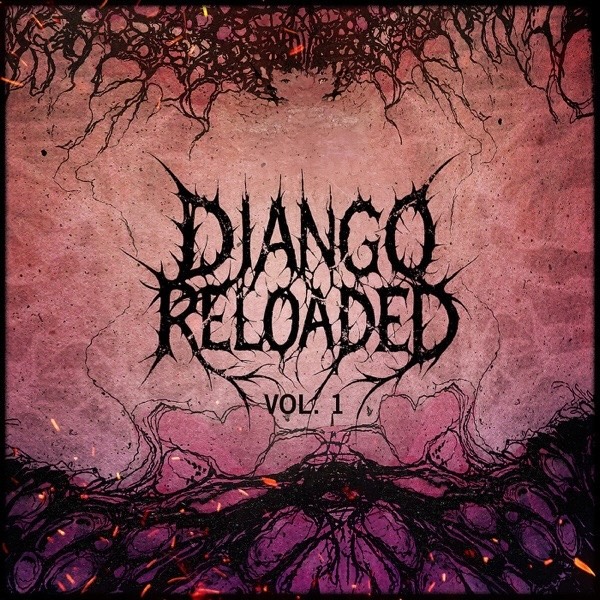
Yoann Kempst & Benjamin Blackstone – Django Reloaded
A duo of rare finesse. Rather than freezing Django in a nostalgic aesthetic, Yoann Kempst and Benjamin Blackstone choose to shift him elsewhere.
Their playground: a free-flowing guitar duo, where gypsy swing intersects effortlessly with pop references and more unexpected detours. The original compositions are richly inspired (La Poupée Qui Tousse), while the covers take surprising paths—never gratuitous, always guided by a desire to rewrite rather than reproduce. Take, for instance, this swinging take on Black or White by Michael Jackson, or Django’s Duke and Dukie. (We might gloss over Que Je t’Aime—admittedly very well performed—as if we hadn’t already heard quite enough of that internationally famous French pop singer.)
What stands out above all is the space given to composition and to the dialogue between the two musicians, constantly in motion. There’s a clear urge to let styles circulate, to break down boundaries without ever losing a sense of detail. A record that feels inhabited, thoughtful, extending Django’s spirit without ever slipping into imitation.
Respect, then, for the undisputed master of jazz guitar that Django was—and remains.
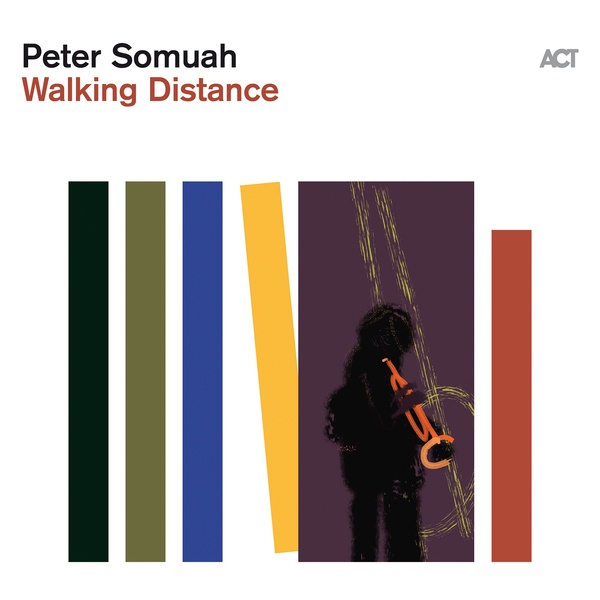
Peter Somuah – Walking Distance
With Walking Distance, two years after Highlife Peter Somuah further shapes a musical identity rooted in cultural intersections.
The Ghanaian-born trumpeter, based in Rotterdam, creates an open language where influences flow naturally, never feeling forced or fragmented. The music remains fluid throughout, driven by groove and a strong sense of narrative.
His trumpet, at times radiant and at times more restrained, leads the listener through diverse yet coherent soundscapes.
The band plays a key role in this collective dynamic, reflecting the spirit of the project. A generous, immersive record that speaks both to personal journeys and shared connections.
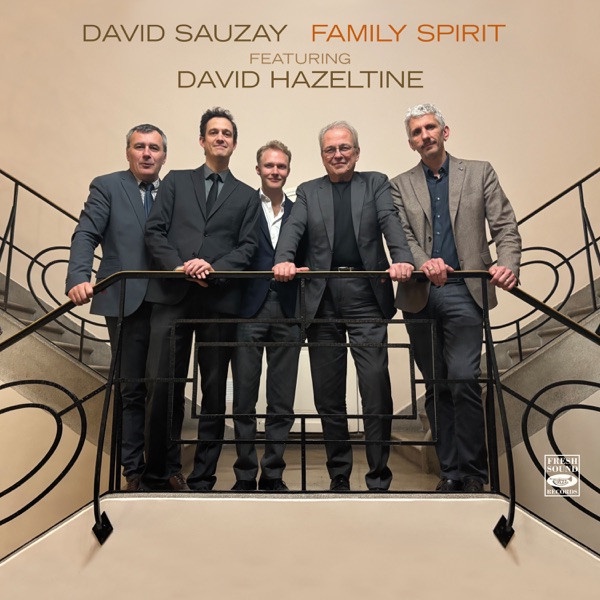
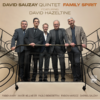
David Sauzay – Family Spirit
David Sauzay and his ensembles continue to embody the art of the neo-bop quintet. This latest release once again delivers its share of welcome surprises, not least through the exceptional presence of guest pianist David Hazeltine.
Having previously shared the stage with Joe Magnarelli, Steve Davis, and Jim Rotondi, the saxophonist now brings in a master of the jazz keyboard in the person of the acclaimed Hazeltine, himself a seasoned figure in quintet settings, notably with One For All.
Read the following of the paper by Jean-Michel Schlosser, here.
Skage Larsen – Indus
In this creation, Indus, Skage Larsen delivers a debut album that already feels remarkably assured.
On vibraphone, he develops a style that appears clear—almost limpid on the surface—yet is consistently threaded with rhythmic interplay more subtle than it first seems. Making something simple and beautiful is no small feat… There’s often a temptation, especially in a first project, to overdo things. That’s not the case here.
The quartet moves forward with ease, balancing melodic grounding and openness, never chasing effect for its own sake. What truly draws attention is the way different influences coexist without ever feeling juxtaposed: everything flows naturally, carried by a strong sense of collective interplay. Beneath the refinement lies a genuine energy—contained, yet constant.
An elegant, thoughtful record that immediately establishes a voice worth following. We’re delighted to introduce it to you on Couleurs Jazz Radio.
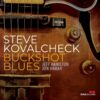
Steve Kovalcheck – Buckshot Blues
I knew nothing about guitarist Steve Kovalcheck, and when you discover a new musician, you immediately find yourself looking into his influences and wondering how he has moved beyond them.
As for Kovalcheck, it’s clear that he belongs to the great tradition that, since Charlie Christian, has included Barney Kessel, Kenny Burrell, Tal Farlow, Joe Pass, or more recently the late Russell Malone. The guitarist’s playing thus offers interesting contrasts between a lyricism devoid of pathos on the ballads and a solid rhythmic foundation on the more upbeat tracks… Read the following of the paper by Thierry Quenum, here.
Audrey Ochoa – The Sorceress
Audrey Ochoa presents a project very much in her own image: free, hybrid, and fully self-assured. With the trombone front and center, she explores, on her album The Sorceress, a landscape where jazz engages in dialogue with more contemporary textures—moving between groove, pop, and touches of electronics. The whole remains fluid, guided by writing that is precise yet never confined.
What captivates, for instance in Gracefull Woman, is her ability to balance sophistication with lightness. Each track feels like it carries something personal, yet never labors the point (Maintenance Phase). Ochoa plays with formats and colors, allowing herself detours that bring depth and dimension to the whole.
A vibrant record—accessible without being obvious—that confirms a singular artistic voice.
Gueorgui Kornazov – Autumn Impressions
What a pleasure it is to hear Gueorgui Kornazov’s magnificent trombone in this sumptuous brass ensemble, complemented by an accordion and drums.
Since moving to France from his native Bulgaria, Gueorgui has naturally found his place in the French jazz scene, where his qualities as a musician and improviser quickly convinced many French instrumentalists to call on him, while he also began a career with his own bands.
The latest, featured on this recording, combines the rich, radiant sound of the leader’s trombone with the delightful timbres of a trumpet and tuba, which beautifully complement Kornazov‘s arrangements of his own compositions sometimes with Balkan and festive accents.
Read the following of the paper by Thierry Quenum, here
Enrico Pieranunzi – Perspectives
With Perspectives, The quartet lead by the most productive maestro the most productive, Enrico Pieranunzi brings together— an inexhaustible voice at the piano — alongside the saxophonist Michele Polga, Thomas Fonnesbæk, Danish double bassist and Mauro Beggio, drums, shaping a music of balance and deep listening where nothing feels fixed. Lines unfold gradually, giving as much space to silence as to interaction, in an almost architectural approach to sound.
There is no unnecessary display here — everything relies on collective finesse, tone, and careful attention to nuance. The musicians move together without hierarchy, exploring multiple directions with strong cohesion. A subtle, layered record that rewards attentive listening.
Bria Skonberg – Brass
On this album, Bria Skonberg makes a clear choice: to refocus her approach on the trumpet, whereas in her previous releases she sang as much as she played.
On this new opus, Brass, largely instrumental, she brings to the fore a direct, expressive style—uncompromising and carried by a tight-knit, responsive quintet.
Moving between original compositions and reinterpretations, the music flows naturally, rooted in tradition yet never frozen in it. What stands out from the very first track is the energy and clarity of the musical statement, with a consistently strong sense of swing.
Alongside pianist and organist Luther Allison, bassist Eric Wheeler, and drummer Darrian Douglas—and through an inspired dialogue with trumpeter Kellin Hanas on Brotherhood Of Man—Brass emerges as a forthright and elegant record.
It serves as a reminder of just how outstanding a musician Bria Skonberg is, and how confidently she continues to assert her voice.
Ella Grace – Figments
Trumpeter Ella Grace was, until now, entirely new to us—unsurprising, as Figments marks her debut album. It’s worth noting from the outset that she sidesteps the common pitfall of overly demonstrative playing. There are no unnecessary effects here: just clear writing, a focused artistic statement, and an already distinctive voice.
Surrounded by a strong cohort of emerging players from the Chicago scene, she presents seven original compositions where contemporary jazz becomes a space for nuanced exploration. The guiding thread? A constant tension between the pull of imagination and the weight of experience, between wonder and lucidity.
Musically, the balance is finely judged. The melodies engage without overstating their case, the rhythms shift with ease, and the improvisation consistently serves the narrative. Nothing spills over, yet nothing feels rigid either. It is precisely in this restraint that the album finds its strength.
Across the tracks, Ella Grace weaves a subtle narrative shaped by the passage of time, inner transformation, and embraced vulnerability. It’s intimate material, never overstated, allowing the music room to breathe.
Figments is not a show of force—but something better: a poised, coherent record that immediately establishes a voice. And for a debut, that is often what matters most.
One can easily imagine a long career ahead for this artist. We are delighted to introduce her to the listeners of Couleurs Jazz Radio.
Musicians:
Ella Grace – trumpet, flugelhorn
Julia Danielle – vocals
Garrett Munz – alto & tenor saxophone
Aval Stanley – piano
Marion Mallard – bass
Jayden Richardson – drums
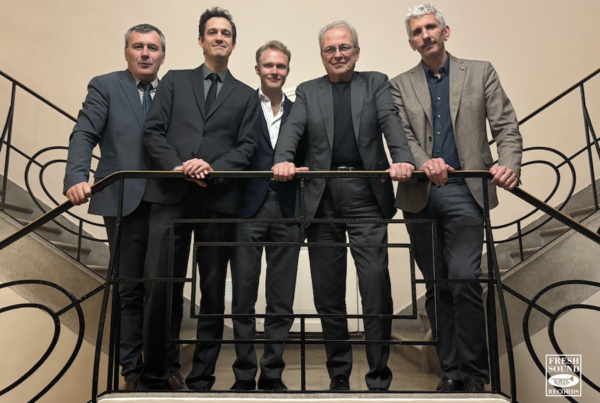
Connor Bernhard – Pathways






RECENT COMMENTS